LoopX
MIT-licensed loop-engineering state kernel and local control plane for keeping Codex, Claude Code, Cursor, and peer agent teams on long-running goals.
Do not bounce yet
Read the fit check, compare one alternative, then decide whether the vendor page is still your best next click.
Quick Verdict
Fast fit check before you leave the page
Make the fit call first. Vendor pages are good at selling, but they rarely tell you where the product is a bad match.
- Developers running Codex, Claude Code, Cursor, or other coding agents on multi-day implementation goals
- Platform engineers building heartbeat, monitor, PR-watcher, issue-fix, or off-hours agent workflows
- Teams experimenting with peer agent coordination, explicit human gates, evidence logs, and quota-aware continuation
- LoopX is still early and its strongest evidence is repo activity plus self-published validation, not broad independent production adoption.
- The quick-start path is macOS/Linux shell oriented, so Windows users should expect extra friction or WSL-style setup work.
- The concept introduces another control-plane layer, which can confuse teams that do not already run multi-turn agent workflows.
Compare Next
Take one more internal step before the vendor pitch
This is where visitors usually jump out too early. Read one deeper take or open one alternative so the next click is informed instead of impulsive.
Alternative profile
Good To Go
MIT-licensed CLI that gives AI coding agents a deterministic answer on whether a GitHub pull request is ready to merge.
Alternative profile
Symphony
Apache-2.0 Codex orchestration spec and Elixir preview that turns Linear issues into isolated, long-running agent implementation runs.
Alternative profile
Agentic Orchestrator
DoorDash open-source TUI that turns large feature requests into checkpointed multi-phase coding-agent workflows across Claude Code, Codex, and OpenCode.
LoopX is worth tracking because heavy coding-agent users are running into a coordination problem. Codex, Claude Code, Cursor, and similar tools can execute useful bounded turns, but long-running work still needs durable goals, explicit gates, evidence, quota, and handoff state. LoopX sits around the executor as a local loop-engineering state kernel so the next agent turn can know what changed, what is blocked, and what is safe to continue.
LoopX is a lightweight state kernel and local control plane for long-running coding-agent work. It does not replace Codex, Claude Code, Cursor, or another executor; it preserves the objective, gates, todos, quota, scheduler hints, evidence, claims, leases, and handoff state those agents need across bounded turns. That makes it relevant to vibe-coding teams that have moved past one-shot prompts and need agent loops to be reviewable, restartable, quota-aware, and explicit about when human judgment is required.
Why Choose LoopX?
Choose LoopX when your team already uses coding agents for real work and the problem is continuity, not another chat box.
Its strongest fit is long-running agent work where objectives, todos, blockers, evidence, quota, and human decisions must survive across turns.
The agent-agnostic design matters because Codex App, Codex CLI, Claude Code, Cursor, and shell-driven agents can share the same project loop state instead of each inventing separate prompt memory.
Do not choose LoopX for simple one-shot coding tasks. It adds a control-plane layer, so the complexity only pays off when you have recurring or multi-turn agent workflows.
Key Features
Stores objectives, gates, todos, scope, claims, leases, evidence, run history, quota, and handoff state for long-running agent work.
Works as a local control plane around Codex App, Codex CLI, Claude Code, Cursor, and manual shell or other agent runtimes instead of replacing the executor.
Supports explicit human gates, safe fallback work, typed continuation, scheduler hints, and quota-aware stop conditions so agent loops do not spin silently.
Provides onboarding flows for Codex App, Codex CLI, and Claude Code, including command-pack and slash-command paths for supported hosts.
Includes optional advanced capabilities such as issue-fix presets, PR watching, reward memory, explore graphs, subagent boundaries, and LoopX Turn automation.
Uses local project state so goals, evidence, public/private boundaries, and agent handoffs remain inspectable across turns and machines.
Pros & Cons
- Targets a real post-prompting problem: keeping long-running agent work reviewable, restartable, and explicit about blockers.
- Agent-agnostic design lets teams keep using Codex, Claude Code, Cursor, or other runtimes while standardizing the loop state around them.
- The project publishes unusually detailed release validation, including pytest, Ruff, mypy, smoke catalog, host qualification, and boundary-scan evidence.
- MIT licensing, zero runtime dependencies in the Python package, and local-first state make it practical to inspect before adoption.
- LoopX is still early and its strongest evidence is repo activity plus self-published validation, not broad independent production adoption.
- The quick-start path is macOS/Linux shell oriented, so Windows users should expect extra friction or WSL-style setup work.
- The concept introduces another control-plane layer, which can confuse teams that do not already run multi-turn agent workflows.
- Optional capabilities such as subagents, reward memory, PR watchers, and automation drivers need careful permissions, quota limits, and human review.
Detailed Use Cases for LoopX
LoopX keeps objectives, gates, todos, evidence, quota, and handoff state stable so a later Codex or Claude Code turn can resume with a concrete next action.
Use LoopX when an agent should stop for owner review, credentials, production writes, publishing, or reward judgment instead of pushing through a vague prompt instruction.
Claims, leases, capabilities, selected todos, and typed continuation help several agents work around one project without relying on a hidden durable leader.
LoopX can support recurring triage, PR watching, issue-fix lanes, and quota-aware continuation where each tick writes evidence and has a bounded reason to run.
Who Should Use LoopX?
Developers running Codex, Claude Code, Cursor, or other coding agents on multi-day implementation goals
Platform engineers building heartbeat, monitor, PR-watcher, issue-fix, or off-hours agent workflows
Teams experimenting with peer agent coordination, explicit human gates, evidence logs, and quota-aware continuation
Agent-tool builders comparing loop-engineering control planes, ticket-to-PR orchestrators, and local state kernels
Perfect For
Keep a multi-day Codex or Claude Code implementation goal moving while preserving scope, evidence, blockers, and next actions across turns.
Run issue-to-PR fixing loops where the agent must track reviewer state, tests, evidence, and handoff notes rather than only editing files.
Coordinate peer agents by assigning todos, leases, capabilities, and continuation state without depending on one permanent leader agent.
Add quota-aware heartbeat, monitor, or scheduler loops that stop when a human decision is required instead of burning tokens blindly.
Technical Details
LoopX Comparisons & Alternatives
LoopX review
LoopX vs Symphony
LoopX vs Vibe Kanban
LoopX vs Omnigent
loop engineering for coding agents
Codex long running agent loop
Claude Code loop engineering
local control plane for coding agents
Developers compare LoopX with other vibe coding tools when they need a better workflow fit, not just a better landing page.
Direct Competitors
Symphony
Vibe Kanban
Omnigent
Agentic Orchestrator
Manifest Dev
Good To Go
Similar Tools You Might Like
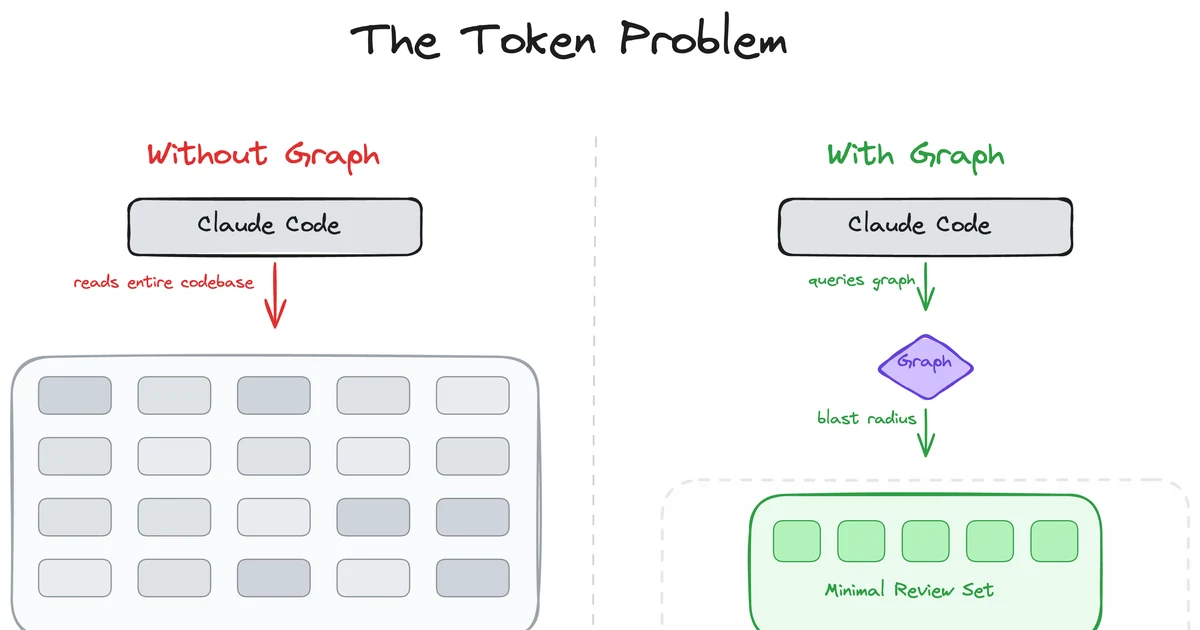
MIT-licensed local code-intelligence graph that gives Claude Code, Codex, Cursor, Copilot, and other MCP clients targeted review context.
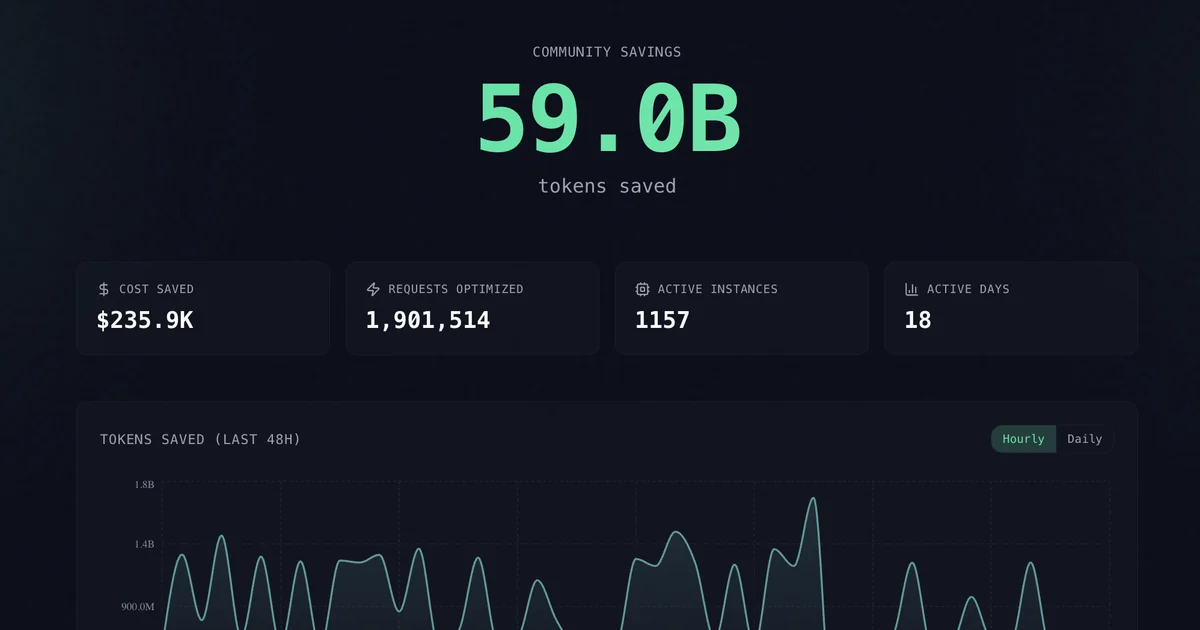
Apache-2.0 context-compression layer that wraps Claude Code, Codex, Cursor, OpenCode, and MCP clients so agents send fewer tool-output and history tokens.
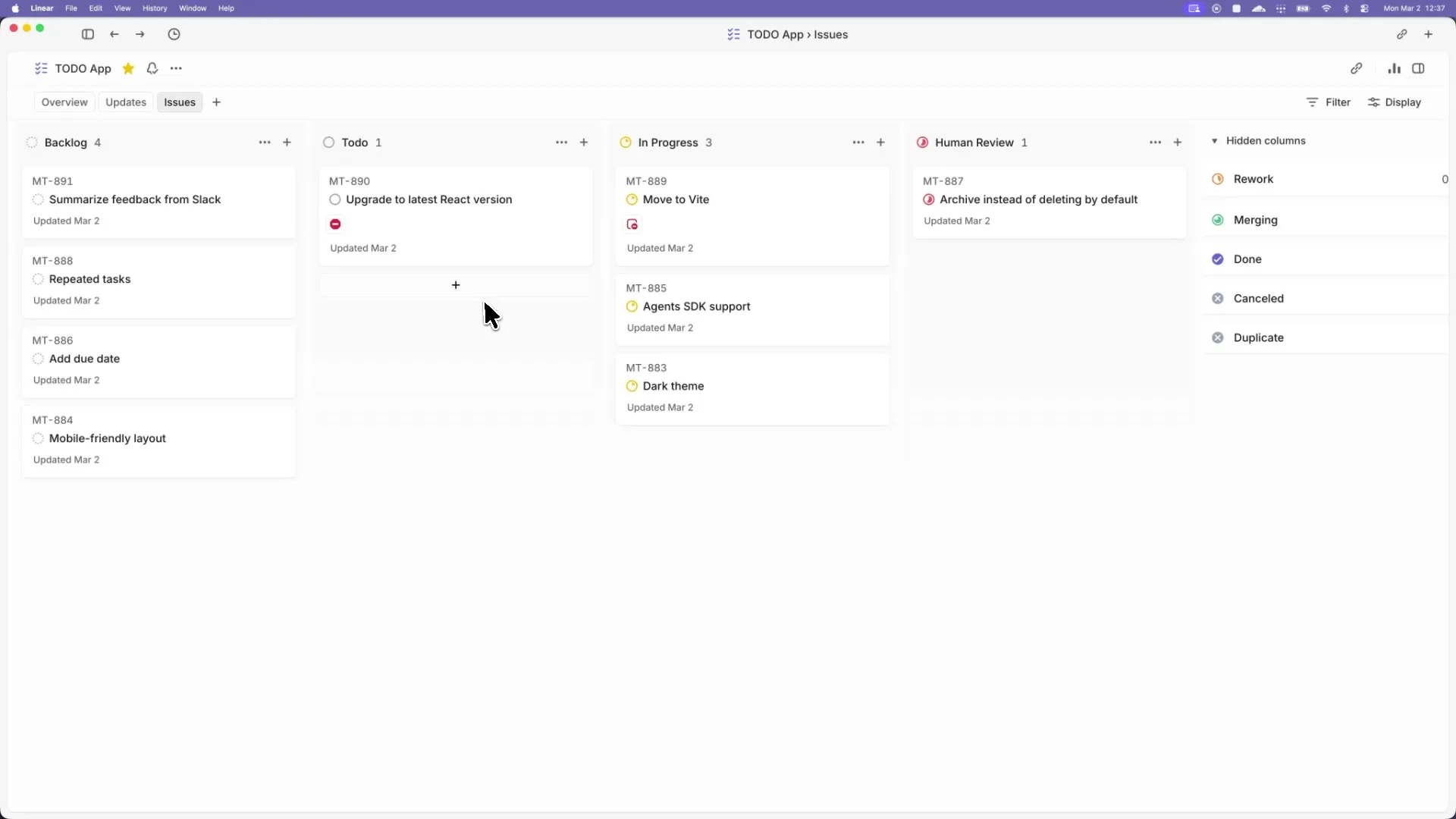
Apache-2.0 Codex orchestration spec and Elixir preview that turns Linear issues into isolated, long-running agent implementation runs.
Alternative Tools to Consider
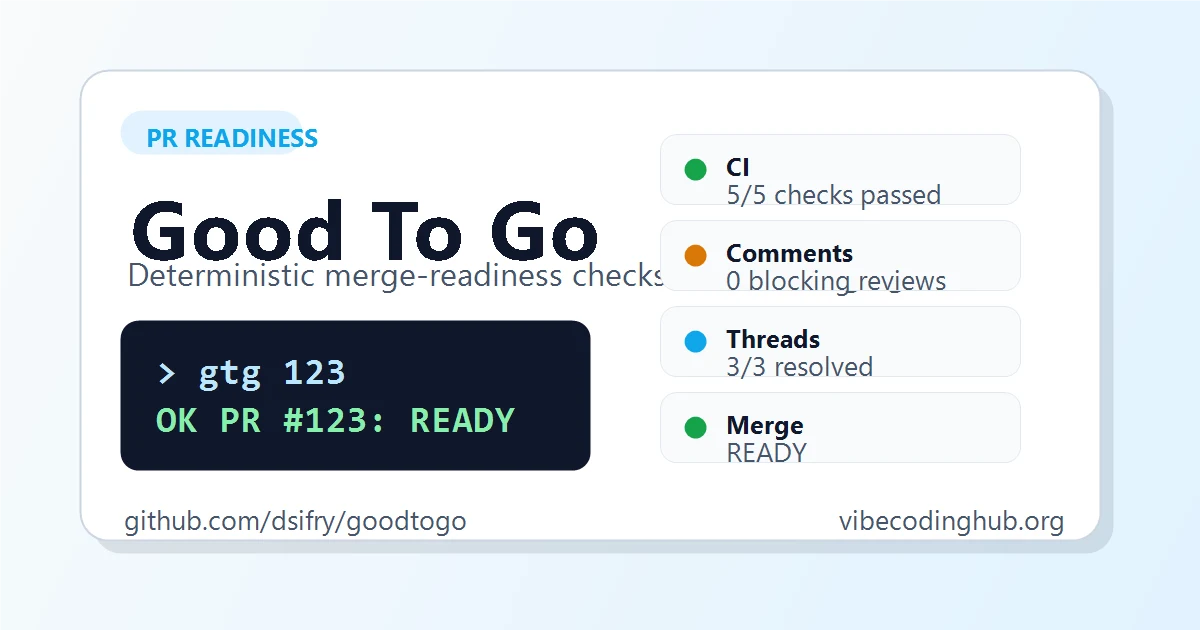
MIT-licensed CLI that gives AI coding agents a deterministic answer on whether a GitHub pull request is ready to merge.
Apache-2.0 Codex orchestration spec and Elixir preview that turns Linear issues into isolated, long-running agent implementation runs.
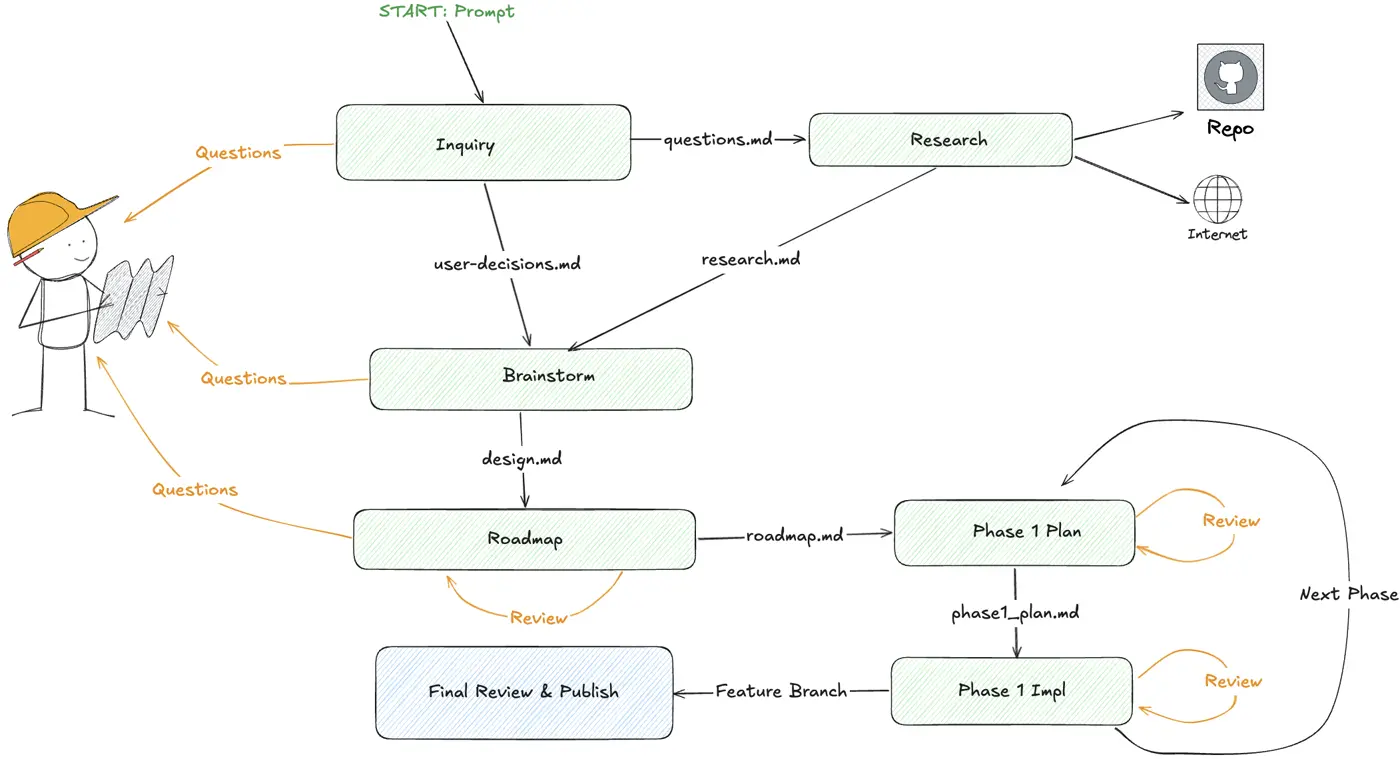
DoorDash open-source TUI that turns large feature requests into checkpointed multi-phase coding-agent workflows across Claude Code, Codex, and OpenCode.
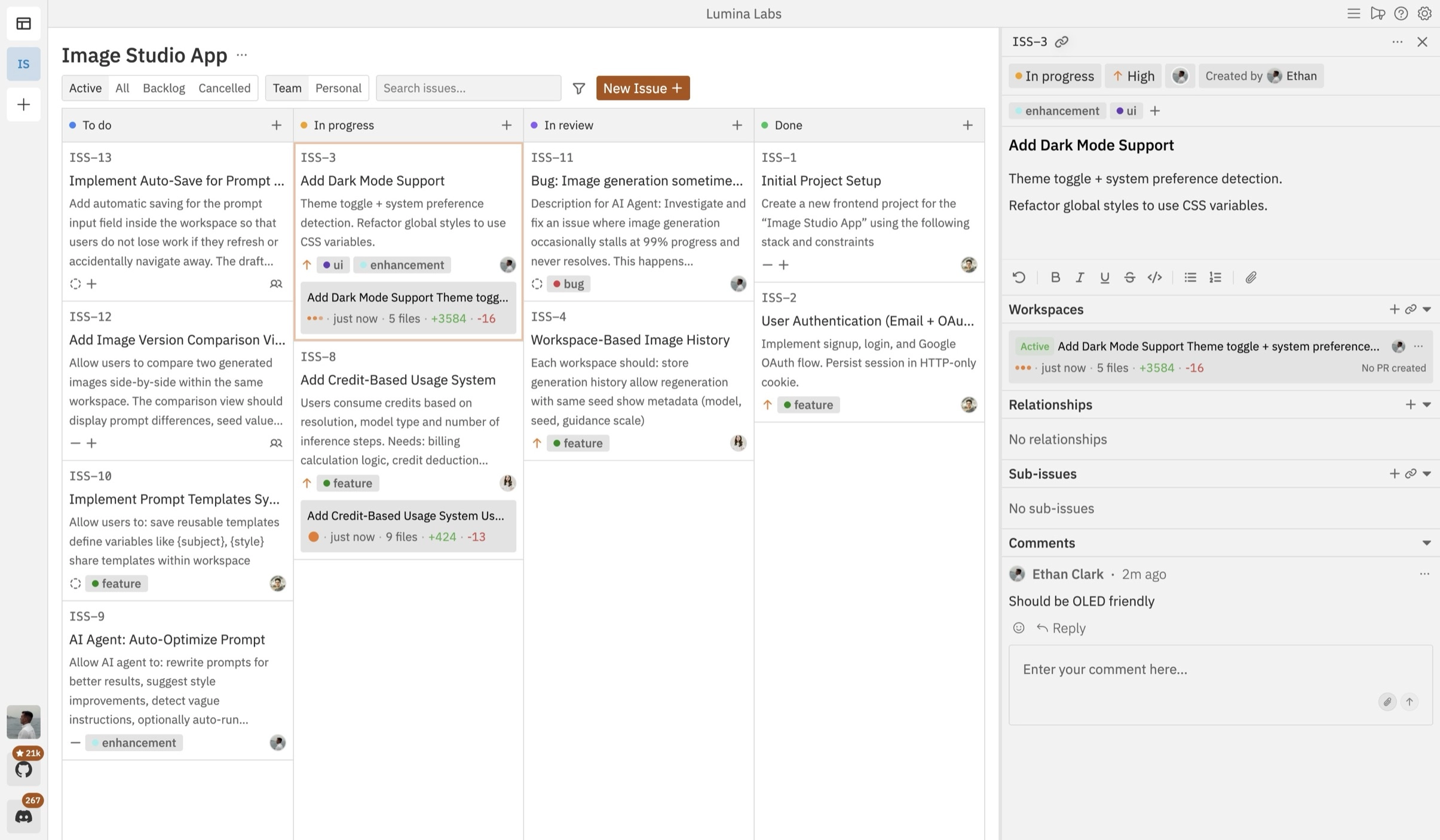
Open-source Kanban control plane for planning, running, and reviewing multiple coding agents across isolated workspaces.
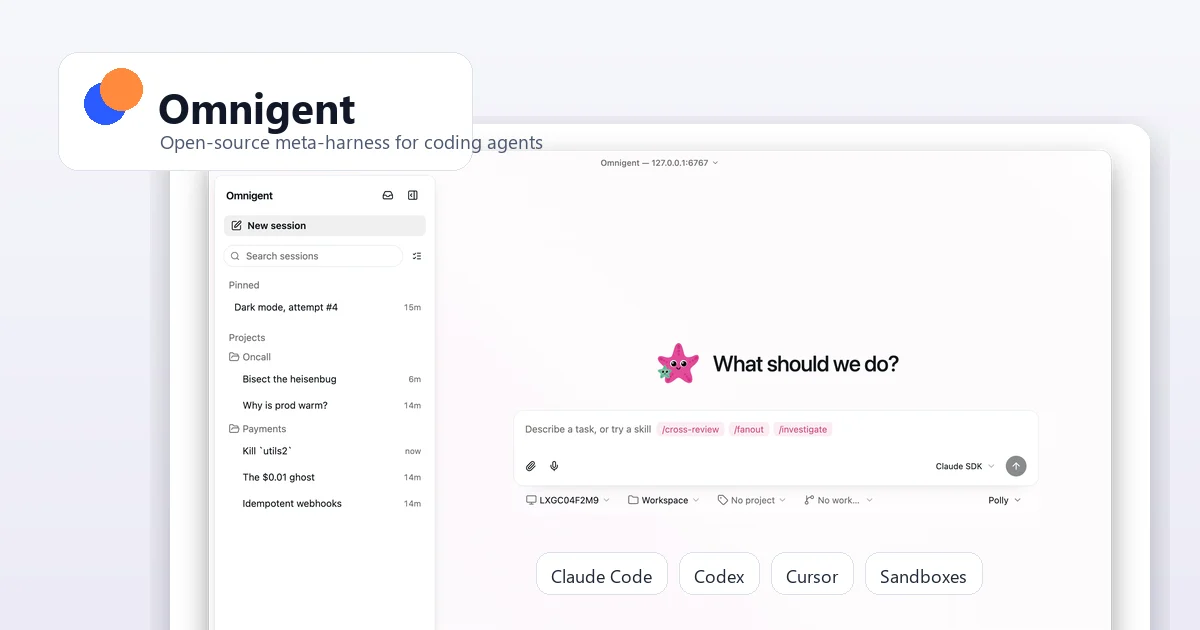
Open-source meta-harness for running, governing, sharing, and switching between coding agents like Claude Code, Codex, Cursor, OpenCode, Hermes, and Pi.
Do one more comparison before you commit to LoopX
Strong picks usually survive one more internal check. Read deeper, compare a neighbor, then leave for the vendor page if the fit still holds.