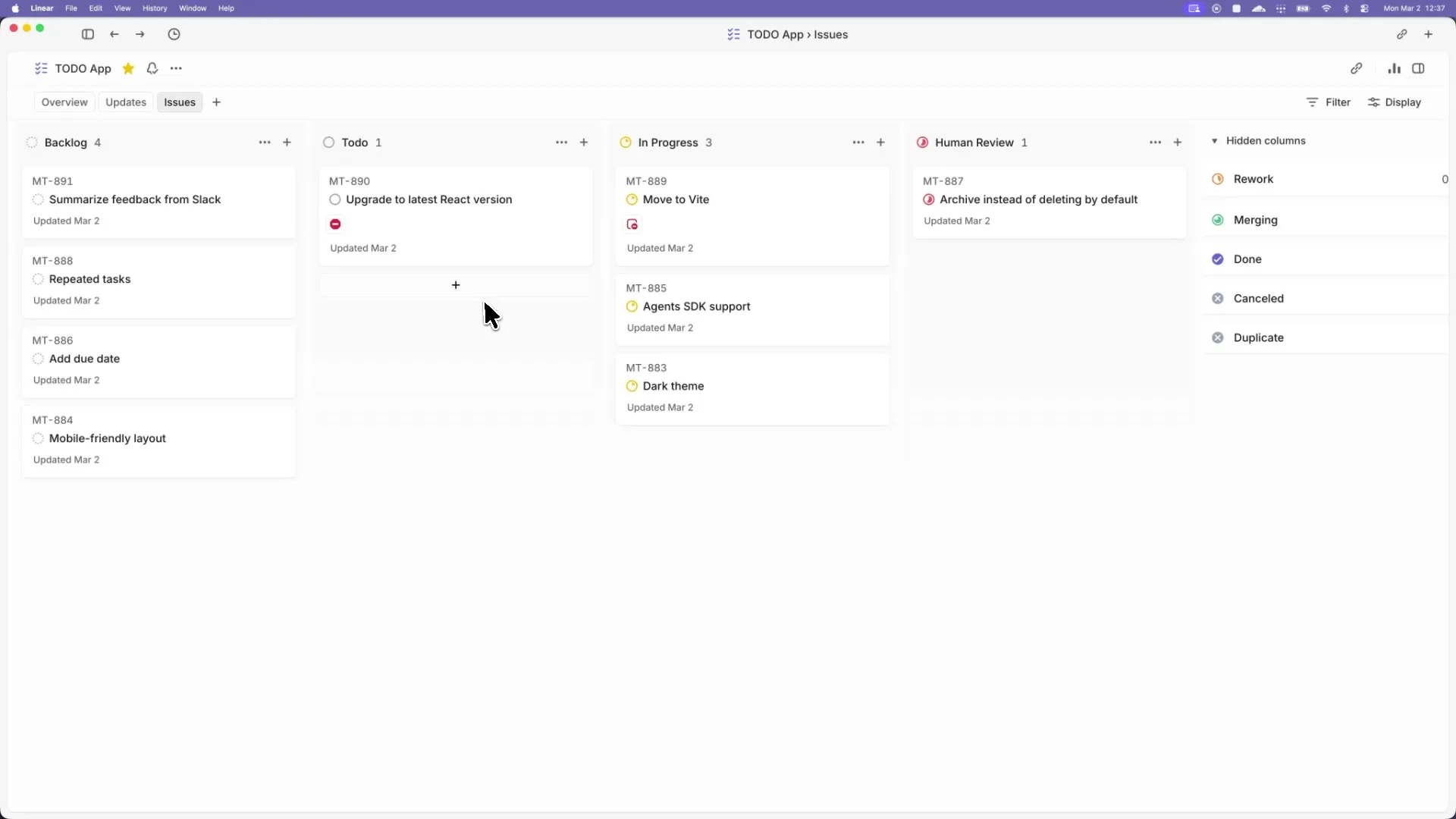
Symphony
Apache-2.0 Codex orchestration spec and Elixir preview that turns Linear issues into isolated, long-running agent implementation runs.
Do not bounce yet
Read the fit check, compare one alternative, then decide whether the vendor page is still your best next click.
Quick Verdict
Fast fit check before you leave the page
Make the fit call first. Vendor pages are good at selling, but they rarely tell you where the product is a bad match.
- Teams already using Codex, Linear, GitHub, and CI for agent-assisted development
- Engineering leads trying to manage agentic work at the ticket and review-packet level rather than the chat-session level
- Platform engineers designing internal background coding-agent systems
- The maintainers explicitly position Symphony as a preview/reference implementation, not a hardened standalone product
- The public implementation is Linear- and Codex-app-server-shaped, so teams on Jira, GitHub Issues, or other agents need adapter work
- Operational safety is intentionally left to each implementation; teams still need sandboxing, credentials hygiene, approvals, and audit policy
Compare Next
Take one more internal step before the vendor pitch
This is where visitors usually jump out too early. Read one deeper take or open one alternative so the next click is informed instead of impulsive.
Alternative profile
Agentic Orchestrator
DoorDash open-source TUI that turns large feature requests into checkpointed multi-phase coding-agent workflows across Claude Code, Codex, and OpenCode.
Alternative profile
HumanLayer
Open-source IDE and orchestration layer for AI coding agents, built around keyboard-first Claude Code workflows, parallel sessions, and team-scale context engineering.
Alternative profile
Vibe Kanban
Open-source Kanban control plane for planning, running, and reviewing multiple coding agents across isolated workspaces.
Symphony is worth tracking because the hardest part of serious vibe coding is no longer opening one agent session. The hard part is coordinating many agent runs, keeping them isolated, routing work from a real backlog, collecting proof of work, and knowing when human review is needed. OpenAI's Symphony turns that problem into an open-source spec and preview implementation for Codex plus Linear.
Symphony is OpenAI's reference architecture for moving from supervising individual coding-agent sessions to managing issue-tracker work. The open-source spec and experimental Elixir implementation watch Linear, create a separate workspace for each eligible issue, launch Codex in app-server mode, keep the agent working until the issue reaches handoff or completion, expose blocked/runtime state, and let teams version workflow policy in repo-owned WORKFLOW.md files. That makes it relevant to vibe-coding teams exploring always-on Codex agents, multi-issue work queues, CI-backed review packets, and higher-level management of autonomous implementation runs.
Why Choose Symphony?
Choose Symphony when your team wants to explore ticket-driven Codex orchestration instead of manually supervising several terminal sessions.
The strongest fit is an engineering group that already uses Linear, GitHub, CI, and Codex app-server workflows and wants each eligible issue to map to an isolated agent workspace.
The spec is useful even if the Elixir preview is not your production stack, because it names the moving parts: workflow loading, tracker polling, workspace lifecycle, agent runner, retries, observability, and handoff states.
Do not treat it as a turnkey production product. The maintainers call it preview software for trusted environments, so serious teams need their own safety posture, sandboxing, credentials policy, and adapter work.
Key Features
Language-agnostic orchestration spec for dispatching coding-agent work from an issue tracker instead of manually supervising one session at a time
Experimental Elixir/OTP implementation that polls Linear, claims eligible issues, creates per-issue workspaces, and launches Codex in app-server mode
Repository-owned WORKFLOW.md contract with YAML front matter and prompt body so teams can version agent policy with the codebase
Blocked-run tracking for operator input, approval, or MCP elicitation requests, plus optional Phoenix observability surface
Runtime hooks for workspace creation and cleanup when Linear issues move to terminal states
Companion skills for commit, push, pull, land, and Linear operations in Codex-driven workflows
Pros & Cons
- Targets a real scaling problem in agent coding: human attention becomes the bottleneck when several implementation agents run at once
- Keeps work organized around tickets, handoff states, review packets, CI, and PR landing instead of loose terminal sessions
- The spec-first shape is useful even if teams reimplement it in their own stack or replace Linear with another tracker
- OpenAI ownership, Apache-2.0 licensing, and strong GitHub interest make it a high-signal reference for agent orchestration patterns
- The maintainers explicitly position Symphony as a preview/reference implementation, not a hardened standalone product
- The public implementation is Linear- and Codex-app-server-shaped, so teams on Jira, GitHub Issues, or other agents need adapter work
- Operational safety is intentionally left to each implementation; teams still need sandboxing, credentials hygiene, approvals, and audit policy
- HN discovery did not surface a strong direct launch discussion, so public practitioner evidence is thinner than the GitHub star count suggests
Detailed Use Cases for Symphony
Use Symphony when eligible Linear issues should create isolated workspaces and long-running Codex app-server sessions automatically.
The workflow contract helps teams define when work is in progress, blocked, ready for human review, merging, or done.
The spec and Elixir preview give platform teams a concrete starting point for polling, dispatching, retrying, and observing multiple agent runs.
Symphony is especially useful as a reference for where teams still need guardrails: approvals, sandboxing, credentials, CI checks, and human review.
Who Should Use Symphony?
Teams already using Codex, Linear, GitHub, and CI for agent-assisted development
Engineering leads trying to manage agentic work at the ticket and review-packet level rather than the chat-session level
Platform engineers designing internal background coding-agent systems
Developers comparing orchestration layers such as Vibe Kanban, Agentic Orchestrator, Multica, and custom Codex app-server harnesses
Perfect For
Running multiple Codex implementation tasks from a Linear project board without manually opening and babysitting every session
Prototyping an always-on agent work queue with isolated workspaces, retry behavior, and visible blocked states
Studying how to structure WORKFLOW.md prompts, status transitions, and handoff states for team-managed agent coding
Building a custom internal agent orchestrator from a public spec rather than starting from a blank architecture document
Technical Details
Symphony Comparisons & Alternatives
Symphony review
OpenAI Symphony vs Vibe Kanban
OpenAI Symphony vs Agentic Orchestrator
Codex orchestration spec
Linear coding agent workflow
Codex app-server orchestration
ticket driven coding agents
Developers compare Symphony with other vibe coding tools when they need a better workflow fit, not just a better landing page.
Direct Competitors
Agentic Orchestrator
Vibe Kanban
Multica
HumanLayer
Similar Tools You Might Like
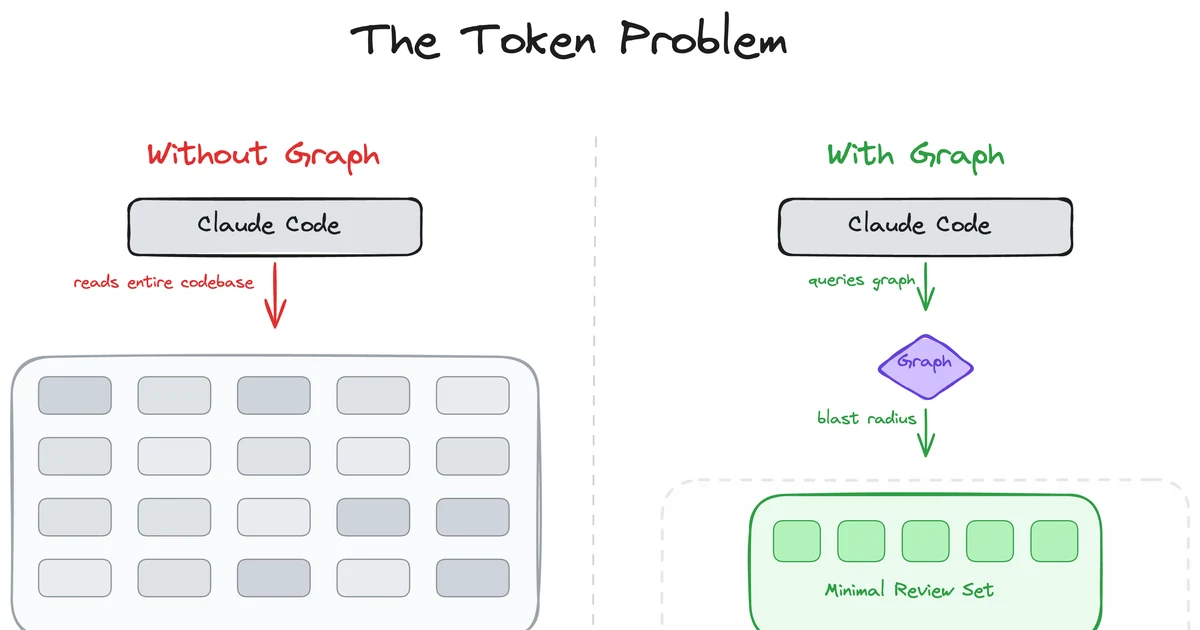
MIT-licensed local code-intelligence graph that gives Claude Code, Codex, Cursor, Copilot, and other MCP clients targeted review context.
MIT-licensed loop-engineering state kernel and local control plane for keeping Codex, Claude Code, Cursor, and peer agent teams on long-running goals.

Community Codex CLI fork that adds Auto Drive orchestration, background Auto Review, browser/CDP integration, theming, and multi-agent commands.
Alternative Tools to Consider
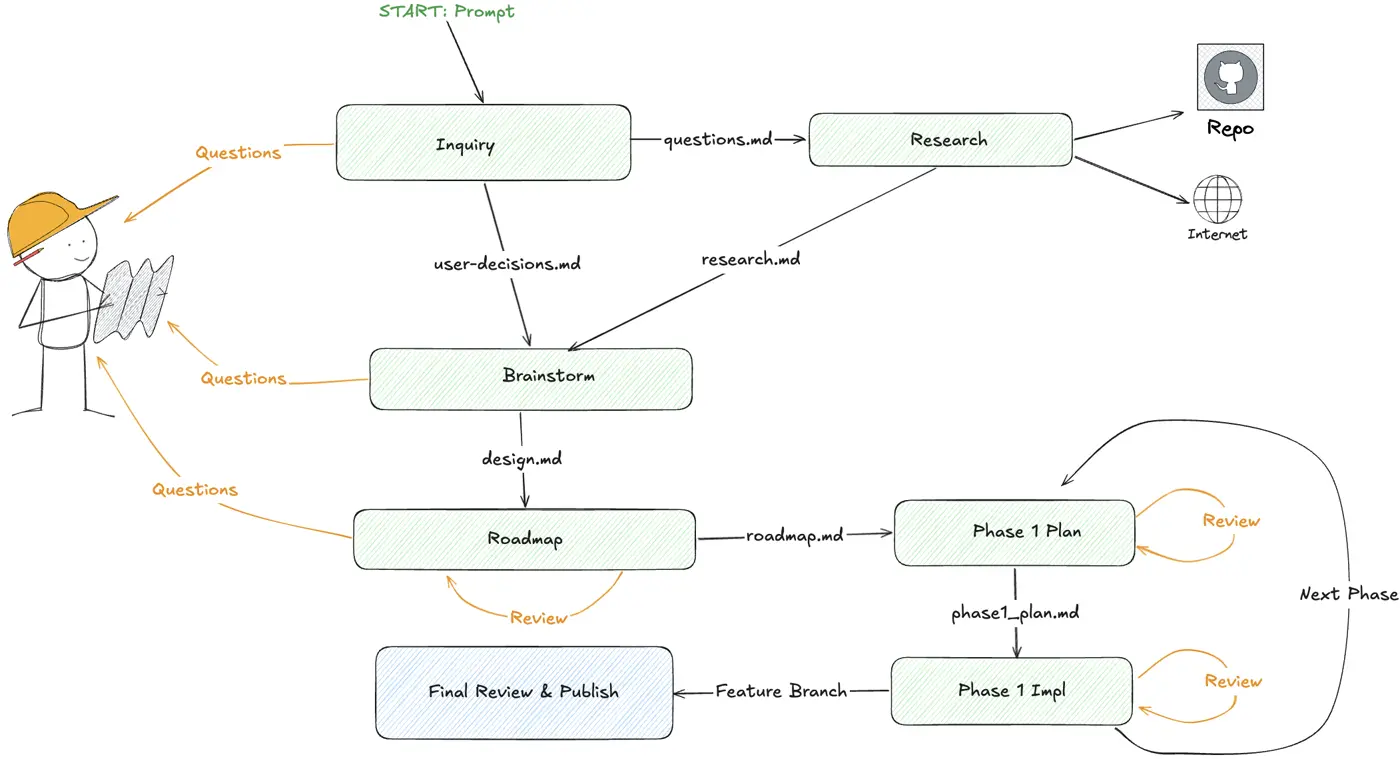
DoorDash open-source TUI that turns large feature requests into checkpointed multi-phase coding-agent workflows across Claude Code, Codex, and OpenCode.

Open-source IDE and orchestration layer for AI coding agents, built around keyboard-first Claude Code workflows, parallel sessions, and team-scale context engineering.
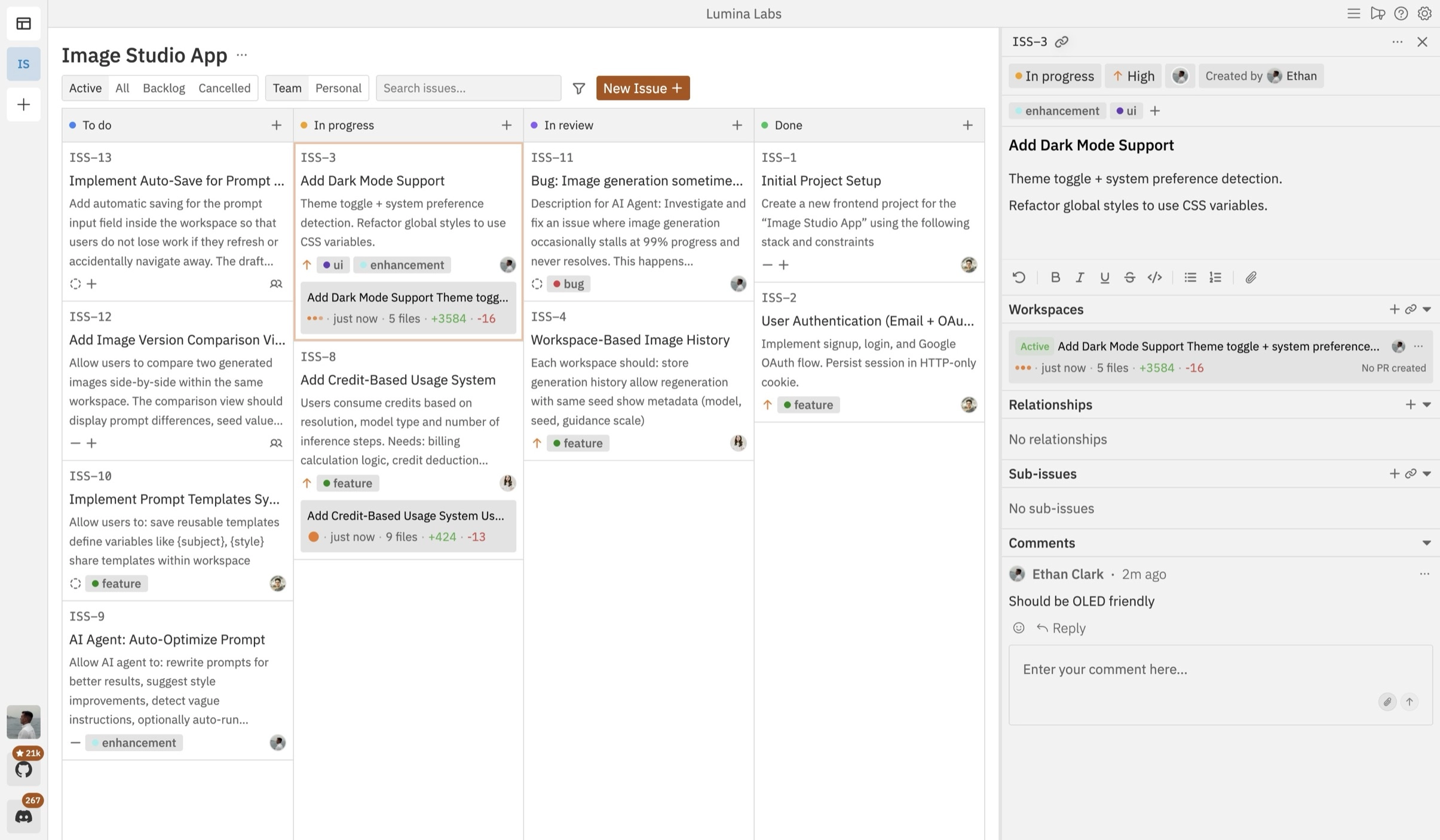
Open-source Kanban control plane for planning, running, and reviewing multiple coding agents across isolated workspaces.
Do one more comparison before you commit to Symphony
Strong picks usually survive one more internal check. Read deeper, compare a neighbor, then leave for the vendor page if the fit still holds.