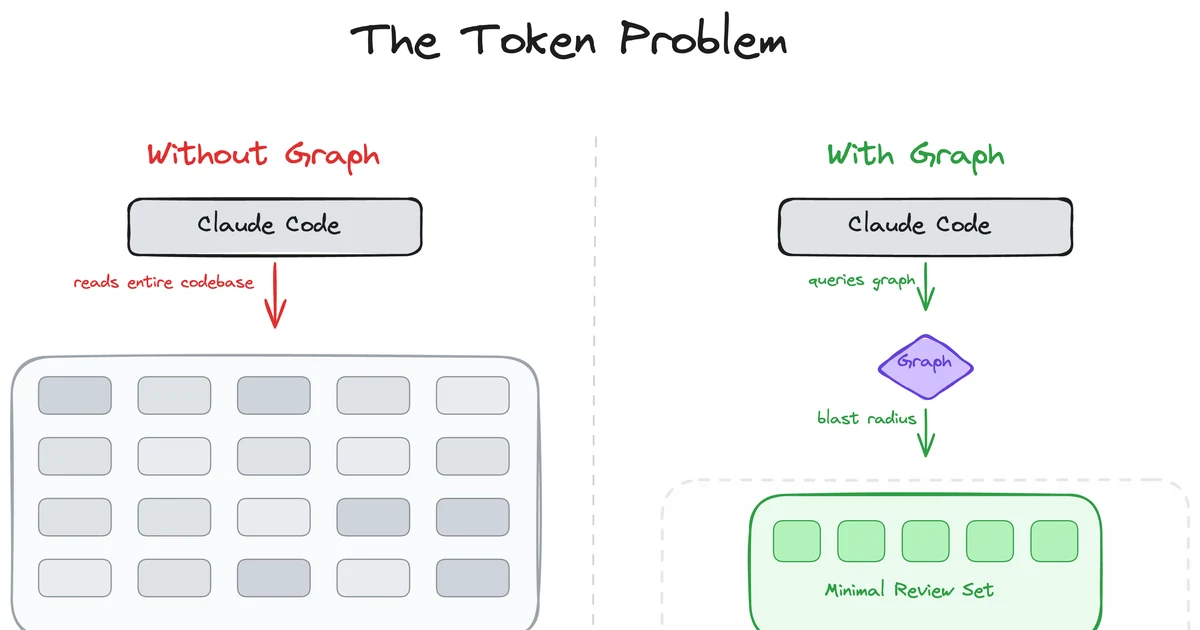
Code Review Graph
MIT-licensed local code-intelligence graph that gives Claude Code, Codex, Cursor, Copilot, and other MCP clients targeted review context.
Do not bounce yet
Read the fit check, compare one alternative, then decide whether the vendor page is still your best next click.
Quick Verdict
Fast fit check before you leave the page
Make the fit call first. Vendor pages are good at selling, but they rarely tell you where the product is a bad match.
- Developers using Claude Code, OpenAI Codex, Cursor, Copilot, Windsurf, Zed, OpenCode, or Gemini CLI on medium and large repositories
- Teams adding blast-radius, architecture, test-impact, and pre-merge context to coding-agent review workflows
- Platform engineers comparing local code graphs, MCP context servers, repository packers, and semantic code search
- A structural graph is not a substitute for compiler, test, runtime, or language-server evidence, and cross-language call resolution can be incomplete.
- The graph and MCP layer add setup, local storage, update, and prompt-surface complexity that may not pay off on small repositories or trivial edits.
- The project's own benchmark notes say whole-corpus comparisons are an upper bound and graph context can exceed direct reads for small single-file changes.
Compare Next
Take one more internal step before the vendor pitch
This is where visitors usually jump out too early. Read one deeper take or open one alternative so the next click is informed instead of impulsive.
Alternative profile
Claude Context
MIT-licensed semantic code search MCP and VS Code extension that gives Claude Code, Codex, Gemini CLI, and other coding agents repo-scale context.
Alternative profile
Context7
Documentation context layer that feeds up-to-date, version-specific library docs and code snippets into Cursor, Claude, and other coding agents.
Alternative profile
Repomix
Open-source CLI and MCP tool that packs whole repositories into AI-friendly formats so coding agents can reason over real codebases with less setup friction.
Code Review Graph is worth tracking because serious coding-agent use turns repository navigation into a recurring cost. Claude Code, Codex, Cursor, Copilot, and other assistants need to understand dependencies, tests, and blast radius before reviewing a change. CRG builds that structural map locally and serves targeted context through MCP, CLI, VS Code, and GitHub Action workflows.
Code Review Graph (CRG) indexes a repository into a persistent local graph of functions, classes, calls, imports, inheritance, tests, and file relationships. Its CLI, MCP server, VS Code extension, hooks, and GitHub Action help coding agents inspect changed code, calculate blast radius, find affected flows and tests, and request a compact review set instead of repeatedly scanning a large repository. That makes it relevant to vibe-coding teams that want agent reviews to use structural context while keeping the index and source analysis on the developer machine by default.
Why Choose Code Review Graph?
Choose Code Review Graph when your coding agents repeatedly inspect a large repository and need structural context that survives across sessions.
Its strongest fit is multi-file review work where blast radius, affected flows, likely tests, and dependency context matter more than another semantic search result.
The local-first Tree-sitter and SQLite design matters for teams that want one reusable graph across Claude Code, Codex, Cursor, Copilot, OpenCode, Gemini CLI, and other MCP clients.
Do not treat CRG's token estimates as universal savings or its graph as compiler truth. The project documents cases where small changes are cheaper to read directly, and important reviews still need tests, runtime evidence, and human judgment.
Key Features
Builds a persistent local graph of functions, classes, imports, calls, inheritance, tests, communities, and file relationships using Tree-sitter and SQLite.
Exposes 30 MCP tools and five workflow prompts for review context, impact radius, architecture, debugging, onboarding, pre-merge checks, and graph queries.
Auto-detects and configures Claude Code, Codex, Cursor, Copilot, Windsurf, Zed, OpenCode, Gemini CLI, Qwen, Kiro, and other supported agent clients.
Updates the graph incrementally through watch mode and supported hooks instead of rebuilding the repository index for every change.
Provides CLI output, a VS Code extension, a daemon, Git and SVN support, and a GitHub Action for risk-scored pull-request analysis.
Publishes benchmark inputs, result files, reproduction instructions, context-savings estimates, and explicit limitations for small changes and baseline comparisons.
Pros & Cons
- Targets structural review context and blast radius rather than adding another general-purpose chat wrapper.
- Local-first indexing keeps the default graph and source analysis on the developer machine.
- Broad client and language support makes one index reusable across several coding-agent workflows.
- MIT licensing, an active release cadence, reproducible benchmark artifacts, and documented benchmark caveats make the project unusually inspectable.
- A structural graph is not a substitute for compiler, test, runtime, or language-server evidence, and cross-language call resolution can be incomplete.
- The graph and MCP layer add setup, local storage, update, and prompt-surface complexity that may not pay off on small repositories or trivial edits.
- The project's own benchmark notes say whole-corpus comparisons are an upper bound and graph context can exceed direct reads for small single-file changes.
- Optional remote embedding providers can receive identifiers, signatures, and structural context, so privacy depends on the selected configuration rather than the local-first default alone.
Detailed Use Cases for Code Review Graph
Use CRG when a coding agent should start from changed files, structural neighbors, affected flows, and risk signals instead of scanning a repository broadly.
Graph queries can identify callers, dependencies, tests, communities, and potentially affected files before an agent changes a shared function or service boundary.
The MCP server and installer let Claude Code, Codex, Cursor, Copilot, OpenCode, Gemini CLI, and other clients query the same repository graph.
CLI and GitHub Action workflows can attach risk, impact, and suggested-review context to CI without replacing tests or human approval.
Who Should Use Code Review Graph?
Developers using Claude Code, OpenAI Codex, Cursor, Copilot, Windsurf, Zed, OpenCode, or Gemini CLI on medium and large repositories
Teams adding blast-radius, architecture, test-impact, and pre-merge context to coding-agent review workflows
Platform engineers comparing local code graphs, MCP context servers, repository packers, and semantic code search
Security-conscious developers who prefer a local repository index but can evaluate the privacy impact of optional remote embeddings
Perfect For
Give Claude Code, Codex, Cursor, or Copilot a compact structural review set for a multi-file change.
Calculate blast radius, affected flows, likely tests, and high-risk files before an agent edits or approves a pull request.
Keep a large repository index fresh across repeated coding-agent sessions without rescanning every source file.
Expose architecture and dependency context to several MCP-compatible assistants while retaining a local shared graph.
Technical Details
Code Review Graph Comparisons & Alternatives
Code Review Graph review
Code Review Graph vs Serena
Code Review Graph vs CodeGraph
Code Review Graph vs Repomix
Code Review Graph for Claude Code
Code Review Graph for Codex
local code graph MCP server
AI code review blast radius
Developers compare Code Review Graph with other vibe coding tools when they need a better workflow fit, not just a better landing page.
Direct Competitors
Serena
CodeGraph
Claude Context
Repomix
Understand Anything
Context7
Similar Tools You Might Like

Community Codex CLI fork that adds Auto Drive orchestration, background Auto Review, browser/CDP integration, theming, and multi-agent commands.
MIT-licensed loop-engineering state kernel and local control plane for keeping Codex, Claude Code, Cursor, and peer agent teams on long-running goals.
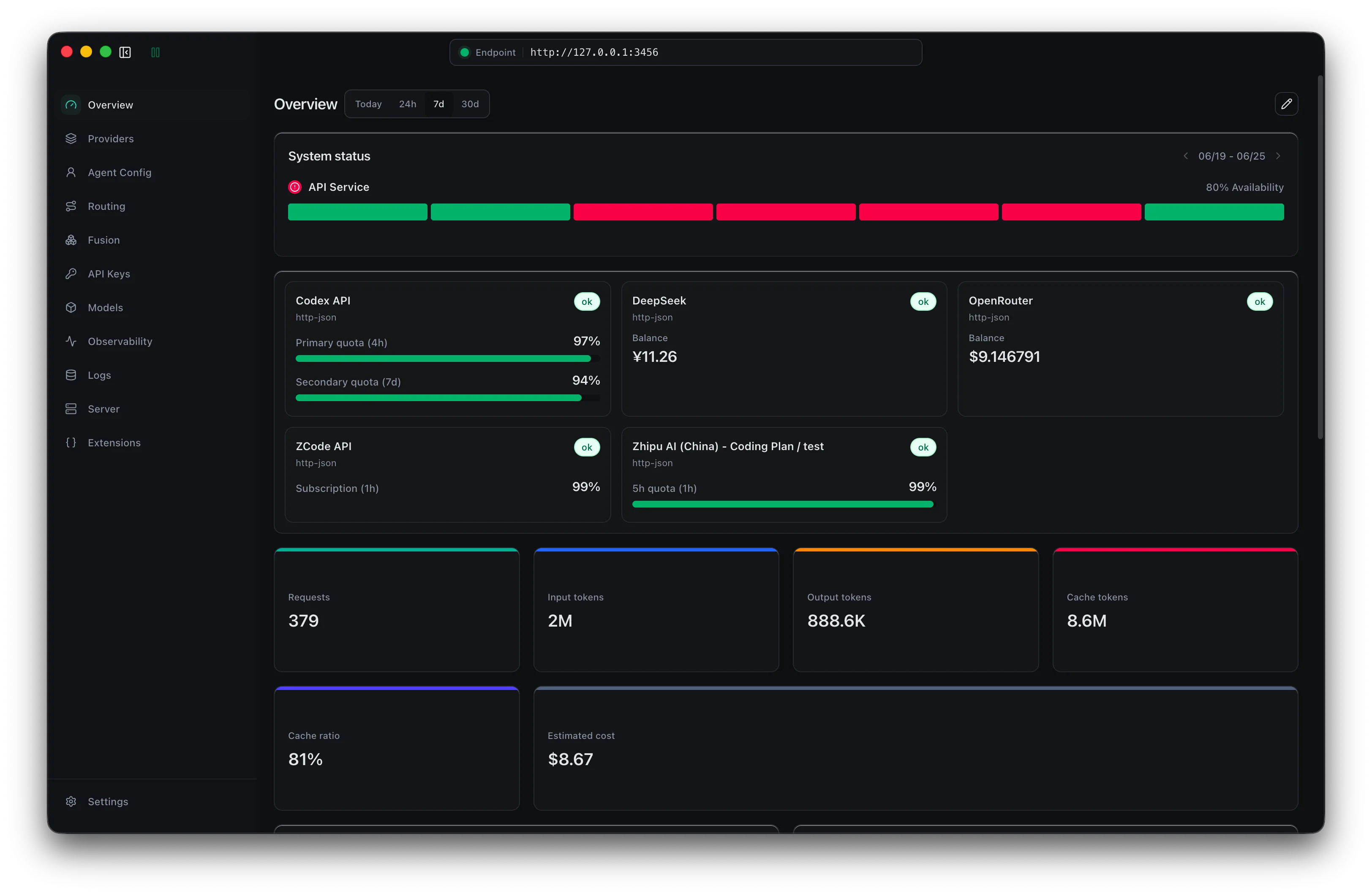
MIT-licensed local gateway and desktop control plane for routing Claude Code, Codex, Grok CLI, and compatible agents across model providers.
Alternative Tools to Consider
MIT-licensed semantic code search MCP and VS Code extension that gives Claude Code, Codex, Gemini CLI, and other coding agents repo-scale context.

Documentation context layer that feeds up-to-date, version-specific library docs and code snippets into Cursor, Claude, and other coding agents.

Open-source CLI and MCP tool that packs whole repositories into AI-friendly formats so coding agents can reason over real codebases with less setup friction.

Open-source semantic retrieval and editing layer that upgrades Claude Code, Codex, Cursor, and other coding agents with IDE-like code intelligence.

Open-source codebase knowledge graph plugin and dashboard that helps coding agents and humans understand repository structure, business logic, and onboarding flows.
Do one more comparison before you commit to Code Review Graph
Strong picks usually survive one more internal check. Read deeper, compare a neighbor, then leave for the vendor page if the fit still holds.