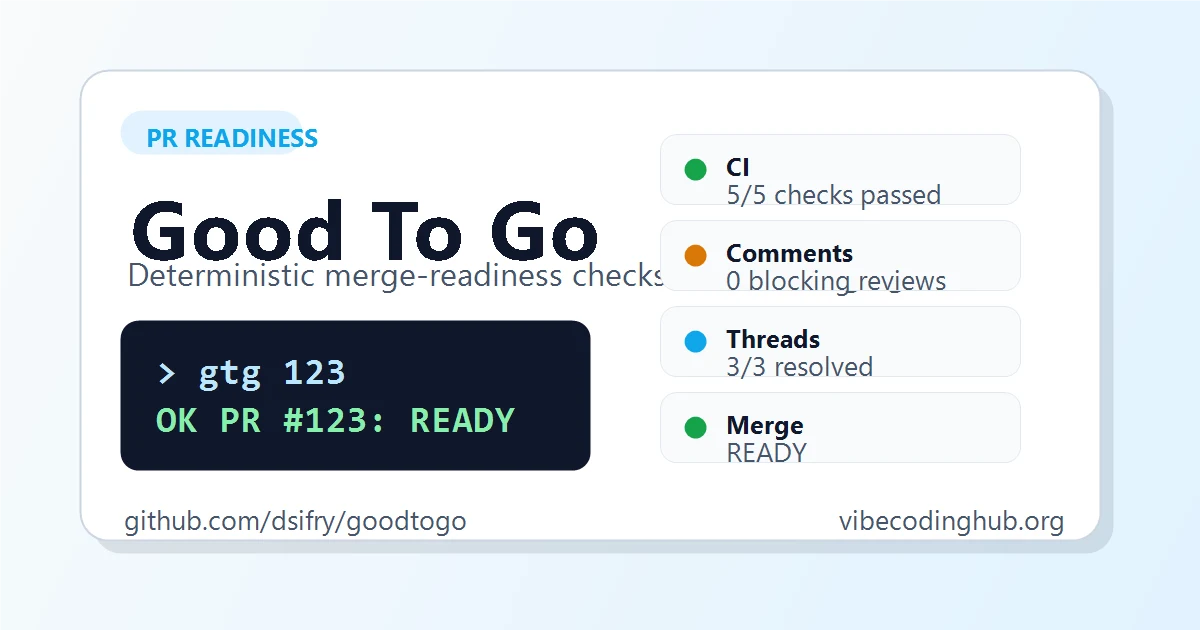
Good To Go
MIT-licensed CLI that gives AI coding agents a deterministic answer on whether a GitHub pull request is ready to merge.
Do not bounce yet
Read the fit check, compare one alternative, then decide whether the vendor page is still your best next click.
Quick Verdict
Fast fit check before you leave the page
Make the fit call first. Vendor pages are good at selling, but they rarely tell you where the product is a bad match.
- Developers using Claude Code, OpenAI Codex, Cursor, or custom agents to address GitHub pull request feedback
- Teams with CodeRabbit, Greptile, Claude, Cursor/Bugbot, or human review comments mixed into one PR thread
- Platform engineers building PR shepherd workflows, merge gates, or agent orchestration around GitHub Actions
- Public adoption is still small, so teams should not assume mature edge-case handling across every GitHub review workflow.
- The tool is GitHub-specific today and does not replace GitLab, Bitbucket, Linear, or custom review-state integrations.
- Comment classification depends on recognizable reviewer language and can miss local conventions, unusual bots, or subtle human feedback.
Compare Next
Take one more internal step before the vendor pitch
This is where visitors usually jump out too early. Read one deeper take or open one alternative so the next click is informed instead of impulsive.
Alternative profile
Hunk
Review-first terminal diff viewer for inspecting agent-authored changesets with multi-file navigation, inline AI notes, watch mode, and Git/Jujutsu/Sapling support.
Alternative profile
CodeRabbit
AI code review platform for pull requests, IDEs, and the CLI, built to catch bugs and keep fast-moving agentic teams from merging sloppy changes.
Alternative profile
Qodo
AI code review platform for pull requests, local IDE workflows, issue resolution, and rules enforcement.
Good To Go is worth tracking because agentic coding has a boring but expensive failure mode: the agent can fix code, push commits, and respond to reviews, then still fail to know whether the pull request is actually ready. The gtg CLI gives that workflow one deterministic answer by combining CI status, review-comment classification, and thread resolution into a status that agents and CI scripts can parse.
Good To Go is a focused PR-readiness CLI for AI-assisted development workflows. Instead of leaving Claude Code, Codex, Cursor agents, or PR shepherd scripts to repeatedly poll CI, reread review comments, and guess whether unresolved threads still matter, it aggregates GitHub checks, commit statuses, review comments, and discussion state into one machine-readable status. Its comment classifiers understand common automated-review patterns from CodeRabbit, Greptile, Claude, and Cursor/Bugbot, and it can return JSON or semantic exit codes for agents and CI gates. That makes it relevant to vibe-coding teams that already let agents push PR fixes and need a deterministic stop condition before merge.
Why Choose Good To Go?
Choose Good To Go when your coding agents already work on GitHub PRs but waste time polling CI, rereading automated-review comments, or asking whether they are done.
Its strongest fit is a team using Claude Code, Codex, Cursor, or custom agents as PR shepherds and wanting a concrete stop condition before merge.
The JSON output and semantic exit codes matter because they make readiness machine-readable instead of another dashboard that an agent has to infer from.
Do not treat Good To Go as a universal review authority. It is small, GitHub-specific, and its comment classifiers still need tuning for local review conventions.
Key Features
Aggregates GitHub check runs and commit statuses into a single PR readiness status for agents and humans.
Classifies review comments as actionable, non-actionable, or ambiguous, with built-in patterns for CodeRabbit, Greptile, Claude, and Cursor/Bugbot.
Tracks unresolved review threads so agents do not declare work complete while blocking discussions remain open.
Emits JSON for agent parsing, human-readable text for logs, and optional semantic exit codes for shell and CI workflows.
Supports GitHub Actions usage as a required merge-readiness check and documents rerun flows for stale thread or comment state.
Persists handled-comment state locally so repeated agent runs can remember which comments were already dismissed or addressed.
Pros & Cons
- Good To Go tackles a real operational failure mode in agent coding: agents often know how to edit code but not when PR review, CI, and discussion state are actually done.
- The CLI is intentionally small, Python-based, MIT licensed, and easy to install with pip for GitHub-heavy teams.
- Machine-readable JSON and semantic exit codes make it more useful to agents than a dashboard-only PR review product.
- The GitHub Actions pattern turns readiness into a deterministic check rather than another prompt instruction.
- Public adoption is still small, so teams should not assume mature edge-case handling across every GitHub review workflow.
- The tool is GitHub-specific today and does not replace GitLab, Bitbucket, Linear, or custom review-state integrations.
- Comment classification depends on recognizable reviewer language and can miss local conventions, unusual bots, or subtle human feedback.
- Private repositories and richer API access require a GitHub token, so permission scope and token handling need deliberate setup.
Detailed Use Cases for Good To Go
Use Good To Go when an agent needs one status for CI, actionable comments, and unresolved threads before it decides whether to keep working or hand off.
gtg can run as a merge-readiness workflow so PRs are blocked until checks pass, blocking feedback is addressed, and review threads are resolved.
JSON output and semantic exit codes let shell scripts, Python tools, and agent orchestrators route READY, ACTION_REQUIRED, UNRESOLVED, CI_FAILING, and ERROR states explicitly.
Built-in classifier patterns help separate blocking CodeRabbit, Greptile, Claude, or Cursor/Bugbot feedback from praise, nitpicks, and resolved items.
Who Should Use Good To Go?
Developers using Claude Code, OpenAI Codex, Cursor, or custom agents to address GitHub pull request feedback
Teams with CodeRabbit, Greptile, Claude, Cursor/Bugbot, or human review comments mixed into one PR thread
Platform engineers building PR shepherd workflows, merge gates, or agent orchestration around GitHub Actions
Engineers who want deterministic PR readiness signals instead of token-burning CI polling loops
Perfect For
Give Claude Code, Codex, Cursor, or custom PR shepherd agents one deterministic answer before they stop working on a pull request.
Use Good To Go in GitHub Actions as a merge-readiness gate that checks CI, unresolved threads, and actionable review comments.
Reduce token-burning loops where agents repeatedly poll GitHub checks or reread automated-review noise.
Expose PR readiness as JSON or semantic exit codes inside multi-agent orchestration scripts.
Technical Details
Good To Go Comparisons & Alternatives
Good To Go review
gtg CLI review
Good To Go vs CodeRabbit
Good To Go vs Hunk
AI coding agent PR readiness
deterministic PR readiness
Claude Code PR review workflow
Codex pull request merge gate
Developers compare Good To Go with other vibe coding tools when they need a better workflow fit, not just a better landing page.
Direct Competitors
Hunk
CodeRabbit
Open Code Review
Qodo
PR-Agent
GitHub Checks
Similar Tools You Might Like
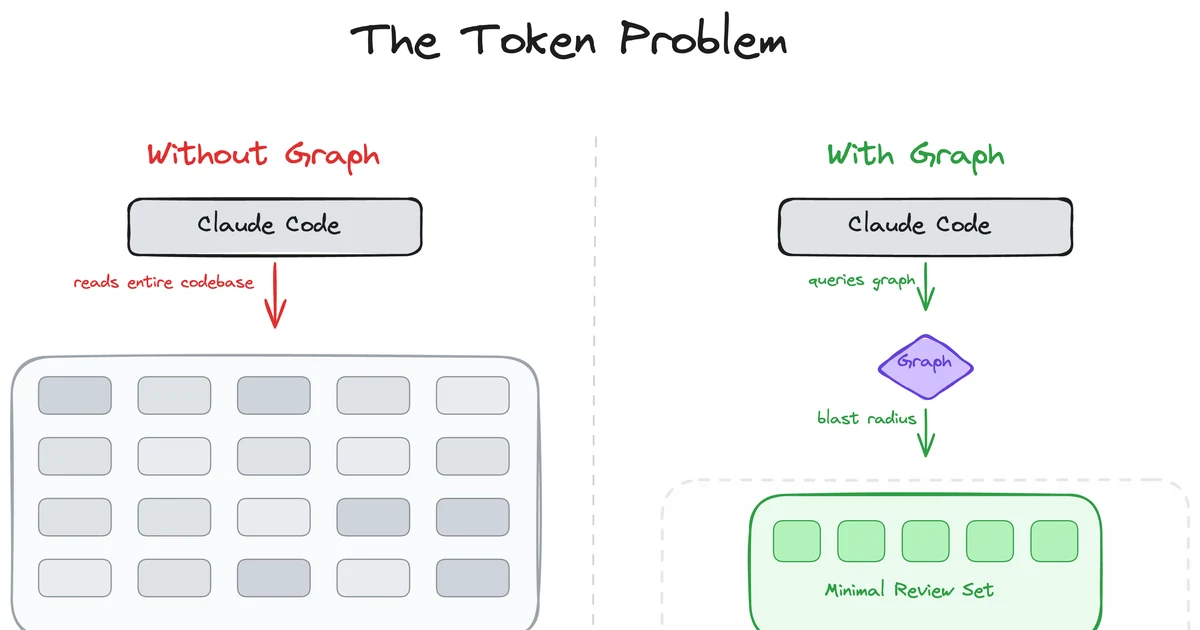
MIT-licensed local code-intelligence graph that gives Claude Code, Codex, Cursor, Copilot, and other MCP clients targeted review context.
MIT-licensed loop-engineering state kernel and local control plane for keeping Codex, Claude Code, Cursor, and peer agent teams on long-running goals.
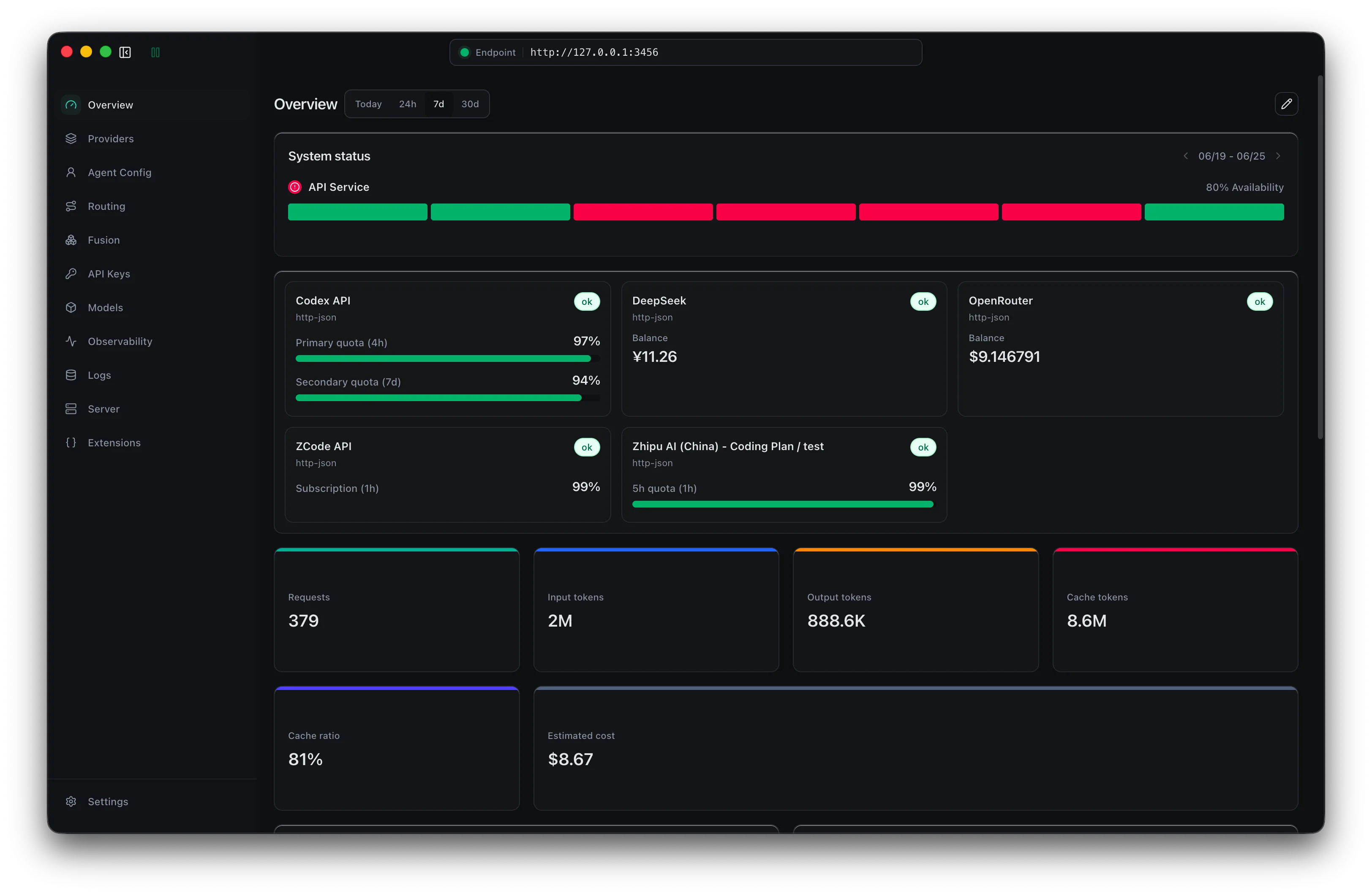
MIT-licensed local gateway and desktop control plane for routing Claude Code, Codex, Grok CLI, and compatible agents across model providers.
Alternative Tools to Consider
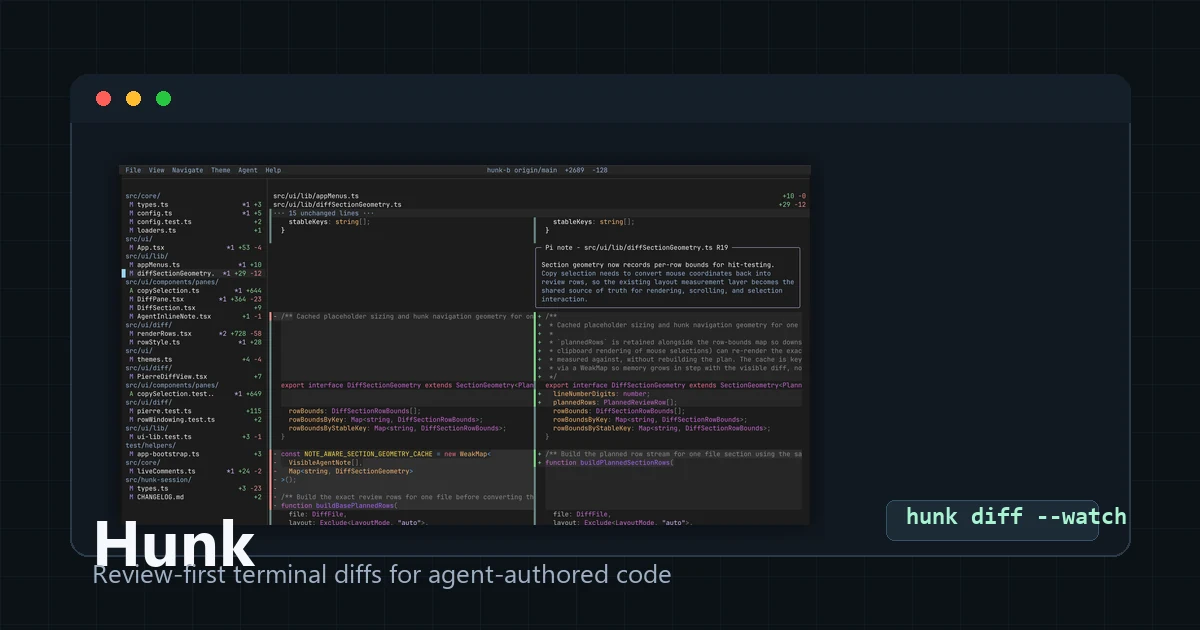
Review-first terminal diff viewer for inspecting agent-authored changesets with multi-file navigation, inline AI notes, watch mode, and Git/Jujutsu/Sapling support.

AI code review platform for pull requests, IDEs, and the CLI, built to catch bugs and keep fast-moving agentic teams from merging sloppy changes.

AI code review platform for pull requests, local IDE workflows, issue resolution, and rules enforcement.
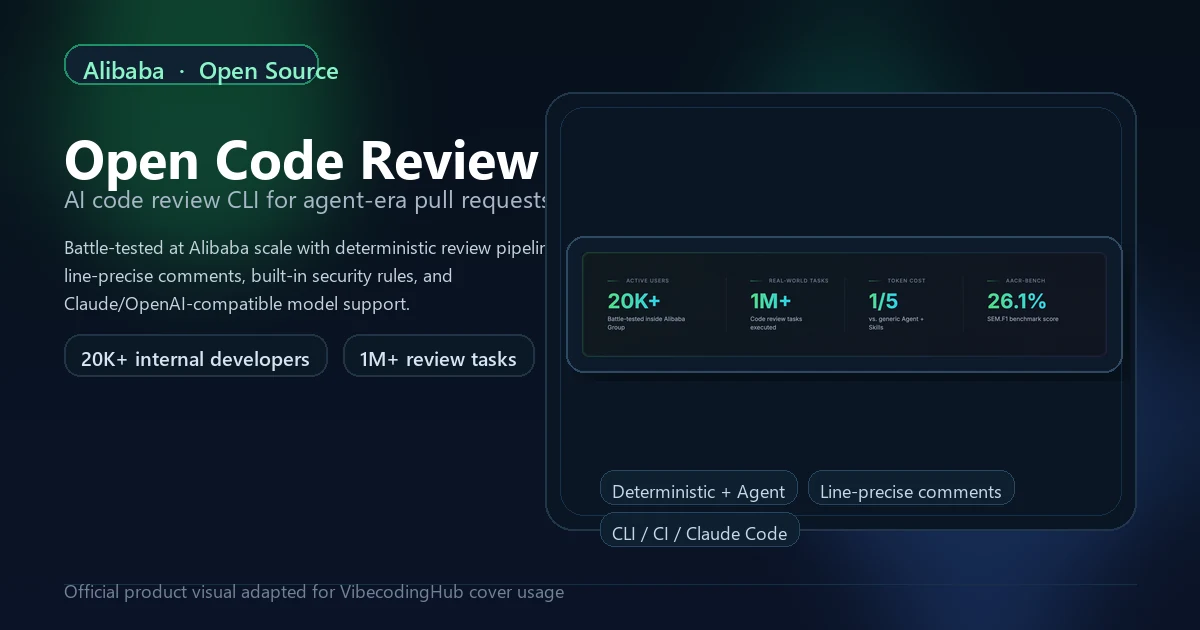
Open-source AI code review CLI that reads diffs, explores repo context, and produces line-level review comments for agent-heavy pull requests.
Do one more comparison before you commit to Good To Go
Strong picks usually survive one more internal check. Read deeper, compare a neighbor, then leave for the vendor page if the fit still holds.