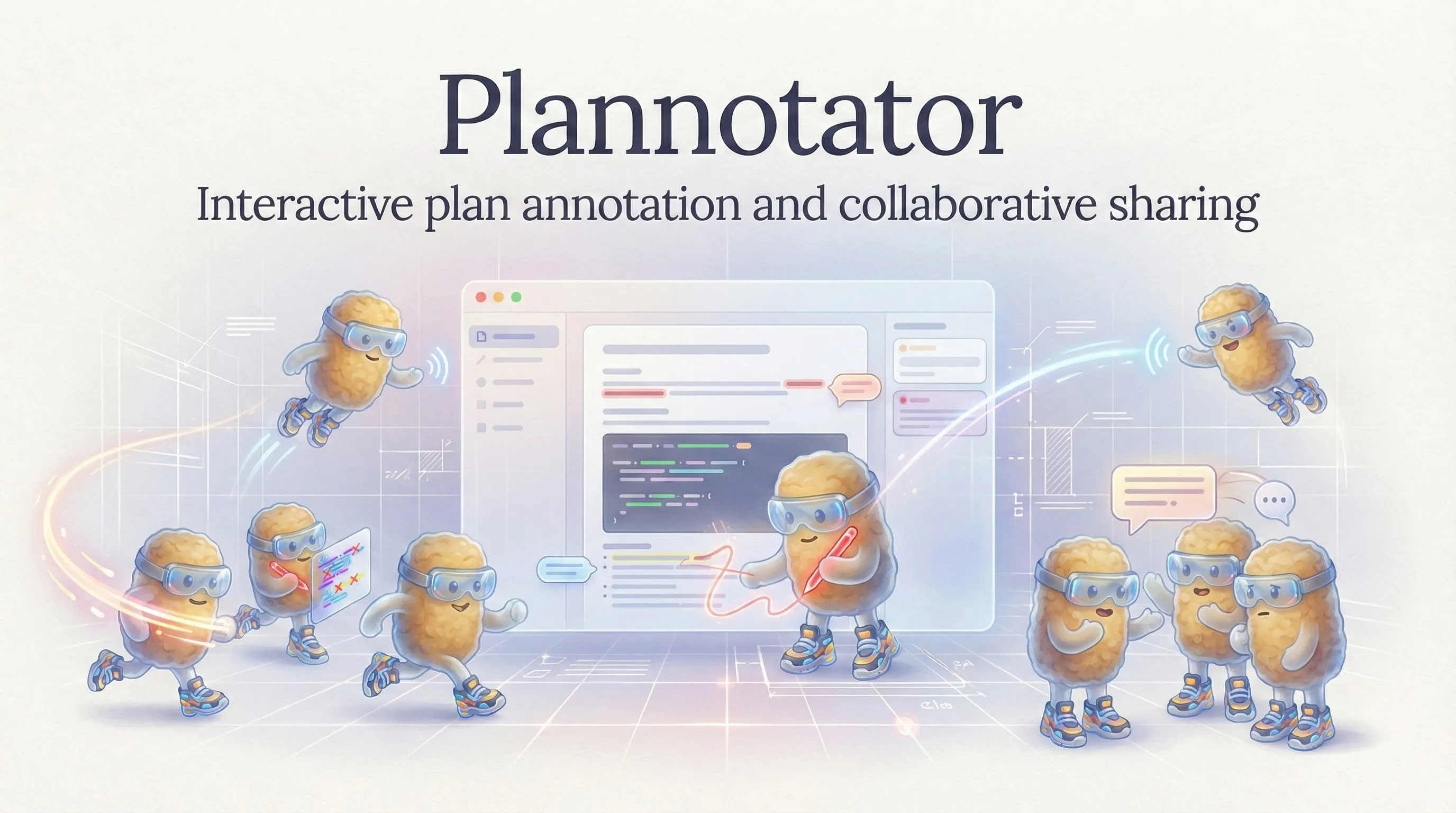
Plannotator
Open-source plan and code review layer for coding agents that opens browser-based review surfaces, captures inline annotations, and sends structured feedback back into the agent loop.
Do not bounce yet
Read the fit check, compare one alternative, then decide whether the vendor page is still your best next click.
Quick Verdict
Fast fit check before you leave the page
Make the fit call first. Vendor pages are good at selling, but they rarely tell you where the product is a bad match.
- Developers using Claude Code, Codex, OpenCode, Gemini CLI, Copilot CLI, or similar agentic coding tools
- Teams that want stronger human review before agent plans execute or agent-written code gets committed
- Builders comparing review-layer tooling such as Plannotator vs Open Code Review or broader governance tools like Packmind
- The broad integration story is impressive, but some agents get full hooks while others only get commands or plugin-based flows, so the experience is not perfectly uniform.
- Unknown active-user data means public adoption quality still has to be inferred mostly from GitHub traction, demos, and community chatter.
- If a team wants a fully managed collaboration layer, the hosted Workspaces story is still early rather than fully mature.
Compare Next
Take one more internal step before the vendor pitch
This is where visitors usually jump out too early. Read one deeper take or open one alternative so the next click is informed instead of impulsive.
Related article
Plannotator Review 2026: Plan and Code Review for AI Coding Agents
A practical Plannotator review covering plan approval, local and PR diff review, Codex and Claude integrations, pricing, privacy, tradeoffs, and alternatives.
Alternative profile
Claude Code Router
MIT-licensed local gateway and desktop control plane for routing Claude Code, Codex, Grok CLI, and compatible agents across model providers.
Alternative profile
Claude Code
Agentic AI coding assistant that lives in your terminal, understands your entire codebase and automates routine tasks
Alternative profile
Claude Code Chat
Beautiful chat interface for Claude Code right inside VS Code, no terminal required
Plannotator is interesting because it focuses on a problem most coding-agent launches gloss over: humans are still approving plans and diffs, but the default review surface is often a cramped terminal, a pasted markdown blob, or blind trust. Instead of trying to be one more coding agent, Plannotator acts as the review layer around your existing agents, giving you browser-native plan annotation and code-diff review with feedback that flows back into the agent loop.
Plannotator is not another pretend-agent shell. It targets a real failure mode in vibe coding: plans and diffs are too often approved from cramped terminal text with weak review ergonomics and lots of hand-wavy trust. Plannotator gives coding agents a proper human review surface in the browser for both plan approval and code diffs, then pushes structured feedback back into tools like Claude Code, Codex, OpenCode, Gemini CLI, Pi, Copilot CLI, and others. That makes it a real workflow layer for people who want faster agent output without surrendering review discipline.
Why Choose Plannotator?
Choose Plannotator if your team already likes coding agents but hates the review ergonomics that come with approving plans and diffs from raw terminal output.
Its strongest differentiator is not just visual review, but structured feedback flowing back to the originating agent so the loop remains operational instead of becoming comment theater.
Broad support for Claude Code, Codex, OpenCode, Gemini CLI, Copilot CLI, Pi, and others makes it relevant to the actual fragmented agent ecosystem rather than one vendor niche.
Open-source local-first deployment makes it easier to trust and adapt than a hosted-only review layer with vague product claims.
Key Features
Browser-based plan review surface that intercepts or plugs into agent planning flows so humans can annotate, replace, delete, or comment before execution.
PR-style code review for local diffs or remote pull requests, including file-tree navigation, unified or side-by-side views, line-level annotations, and code suggestions.
Structured feedback export back into the agent loop, which is more useful than manually copy-pasting review notes from a separate tool.
Broad coding-agent coverage across Claude Code, Codex, OpenCode, Gemini CLI, Copilot CLI, Pi, Amp, Droid, Kiro, and VS Code-oriented workflows.
Encrypted sharing model for plans and annotations, including URL-hash sharing for small payloads and zero-knowledge short-link flows for larger ones.
Local-first install path with open-source code and self-hostable collaboration primitives instead of forcing teams into a closed review SaaS from day one.
Pros & Cons
- Plannotator solves a real review ergonomics problem in agentic coding instead of pretending the terminal is already a good medium for plan and diff approval.
- The feedback loop back into the agent is the important part: review is actionable, not just another detached comment system.
- Support across many coding agents makes it more durable than single-vendor plugins that die when the next CLI becomes fashionable.
- Open-source licensing and local-first operation make it more inspectable and adaptable than hosted-only review layers.
- The broad integration story is impressive, but some agents get full hooks while others only get commands or plugin-based flows, so the experience is not perfectly uniform.
- Unknown active-user data means public adoption quality still has to be inferred mostly from GitHub traction, demos, and community chatter.
- If a team wants a fully managed collaboration layer, the hosted Workspaces story is still early rather than fully mature.
- This is review infrastructure, not a full coding agent, so it complements tools like Claude Code or Codex rather than replacing them.
Detailed Use Cases for Plannotator
Plannotator is strongest when your workflow includes plan mode or pre-execution approvals and you want something better than skimming markdown in a terminal.
The code-review flow is useful when agents are producing local changes quickly and you want file-tree navigation, line comments, and actionable feedback before commit.
Encrypted sharing makes Plannotator relevant for teams that want more than a solo local review surface and need lightweight collaboration without handing everything to a SaaS control plane.
Plannotator fits teams that still want fast agent loops but need a sane review checkpoint so bad plans and sloppy diffs stop sliding through.
Who Should Use Plannotator?
Developers using Claude Code, Codex, OpenCode, Gemini CLI, Copilot CLI, or similar agentic coding tools
Teams that want stronger human review before agent plans execute or agent-written code gets committed
Builders comparing review-layer tooling such as Plannotator vs Open Code Review or broader governance tools like Packmind
Engineers who want browser-quality review UX without giving up terminal-first coding workflows
Perfect For
Reviewing agent-generated implementation plans before execution instead of rubber-stamping terminal text.
Reviewing uncommitted local diffs or remote PRs from coding agents with better UI and line-level feedback than a raw git diff.
Creating a shared review loop where teammates can annotate plans or code and send structured feedback back to the originating agent.
Adding a higher-discipline human approval layer to vibe-coding workflows without abandoning fast agent iteration.
Technical Details
Direct Competitors
Open Code Review
Paseo
Packmind
Claude Code
Similar Tools You Might Like
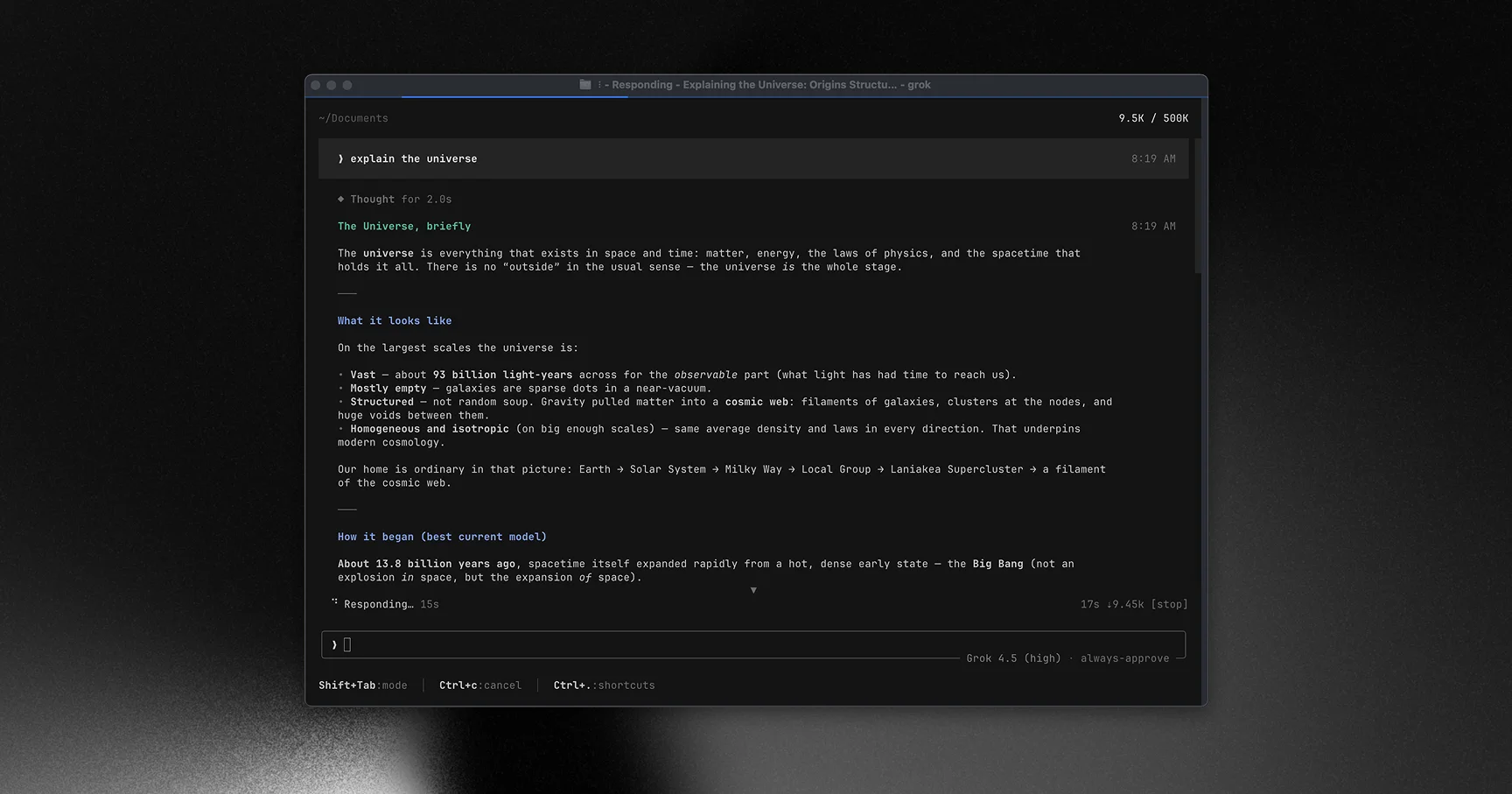
SpaceXAI's Apache-2.0 terminal coding agent with a full-screen TUI, headless automation, ACP integration, and extensible agent workflows.
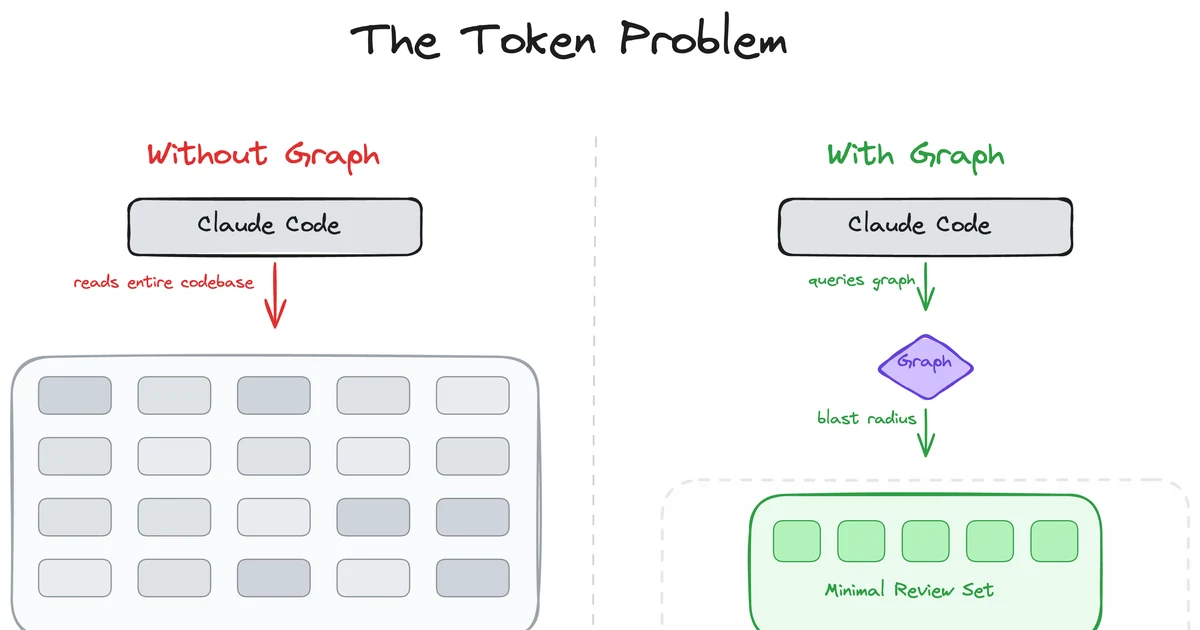
MIT-licensed local code-intelligence graph that gives Claude Code, Codex, Cursor, Copilot, and other MCP clients targeted review context.
MIT-licensed loop-engineering state kernel and local control plane for keeping Codex, Claude Code, Cursor, and peer agent teams on long-running goals.
Alternative Tools to Consider
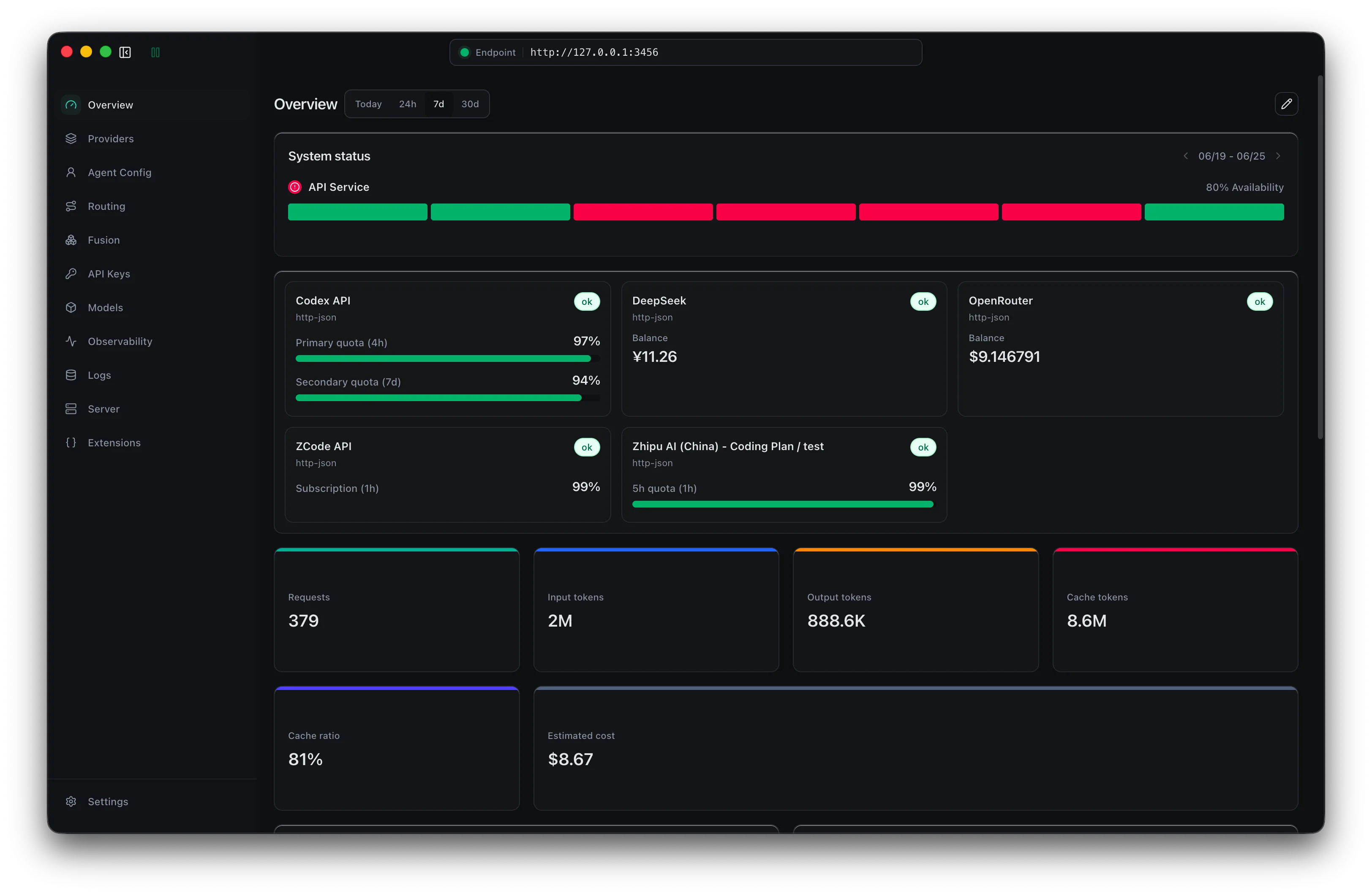
MIT-licensed local gateway and desktop control plane for routing Claude Code, Codex, Grok CLI, and compatible agents across model providers.
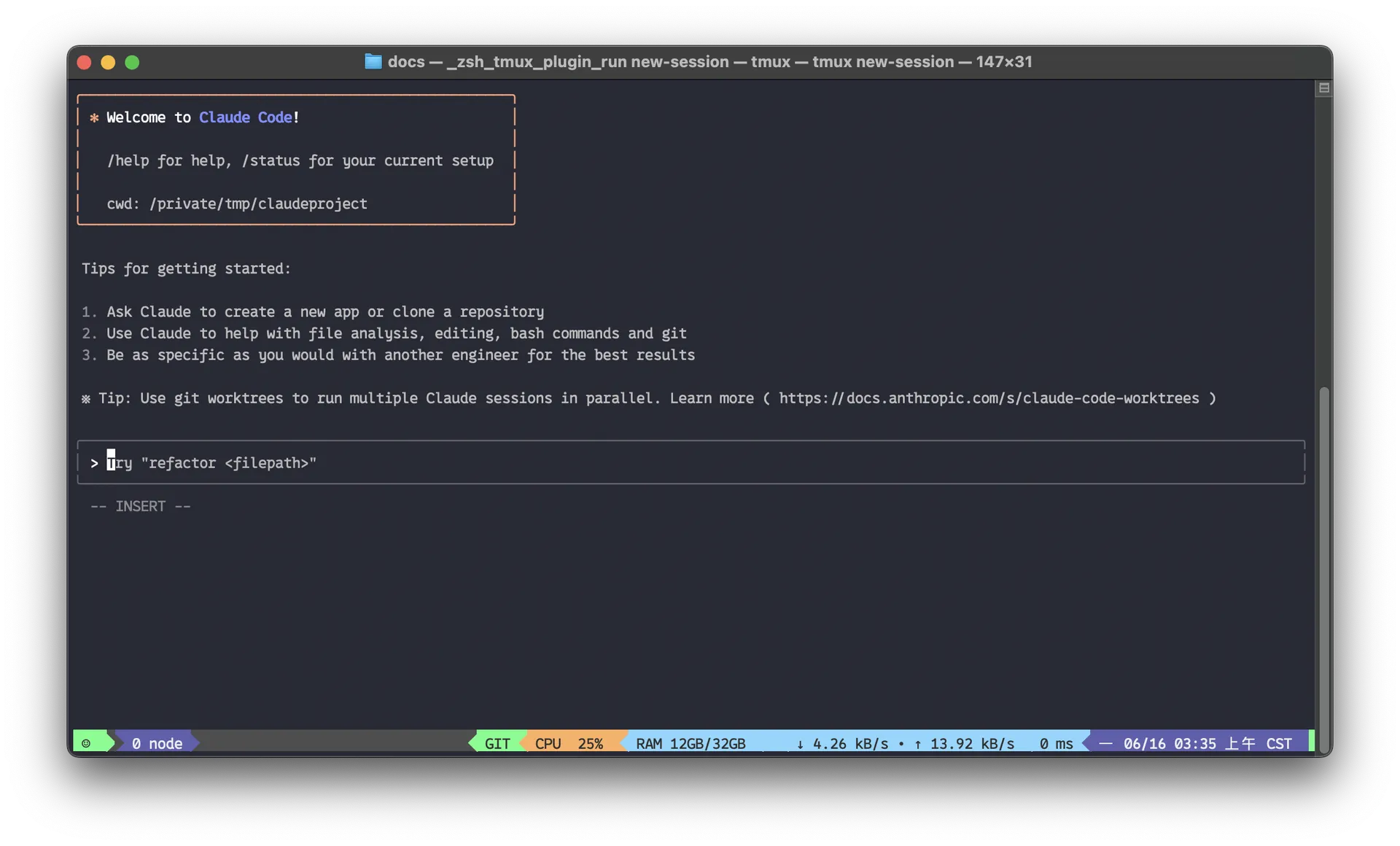
Agentic AI coding assistant that lives in your terminal, understands your entire codebase and automates routine tasks

Beautiful chat interface for Claude Code right inside VS Code, no terminal required

Open-source terminal dashboard for tracking Claude Code token usage, burn rate, and predicted session cutoffs.

Engineering playbook platform that turns team standards into context, guardrails, and governance for AI coding agents.

Self-hosted cross-device control layer for Claude Code, Codex, Copilot, OpenCode, and Pi across web, desktop, mobile, and CLI.
Do one more comparison before you commit to Plannotator
Strong picks usually survive one more internal check. Read deeper, compare a neighbor, then leave for the vendor page if the fit still holds.