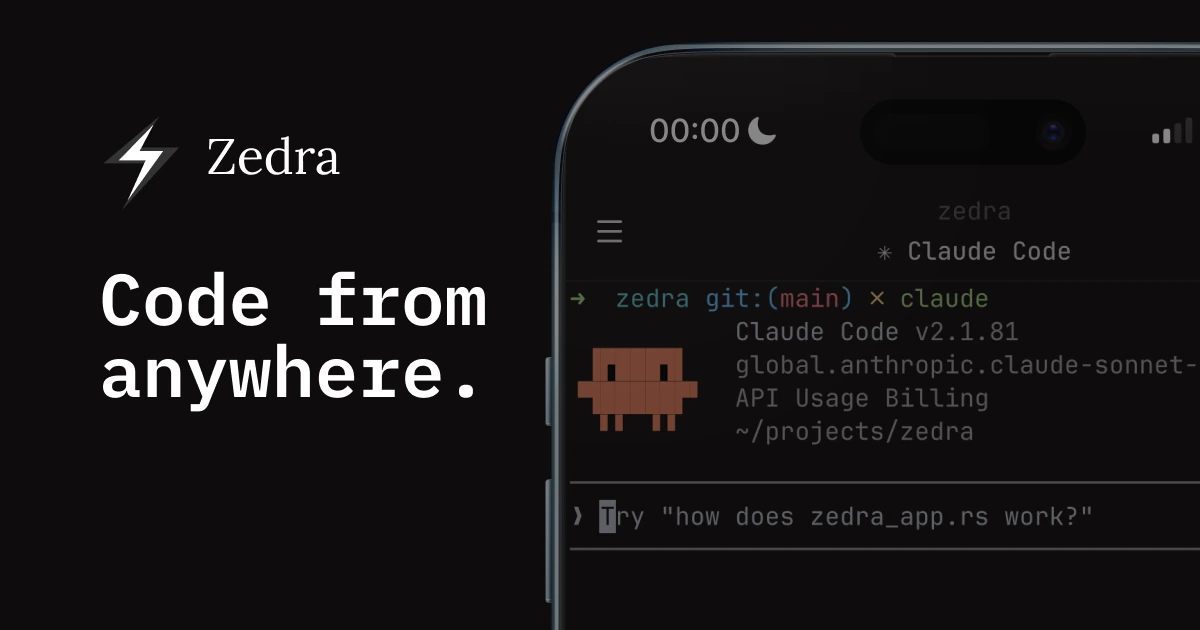
Zedra
Open-source mobile control plane and remote code editor for running Claude Code, Codex, and other AI coding agents from iPhone or Android.
Do not bounce yet
Read the fit check, compare one alternative, then decide whether the vendor page is still your best next click.
Quick Verdict
Fast fit check before you leave the page
Make the fit call first. Vendor pages are good at selling, but they rarely tell you where the product is a bad match.
- Solo developers running long-lived coding agents
- Builders who need mobile supervision for terminal-native agent workflows
- Developers comparing remote-control layers like VibeTunnel, CC-Connect, or OpenClawdex
- This is still an emerging tool with modest public traction, so teams should treat it as promising infrastructure rather than a mature default.
- Mobile supervision is useful, but serious implementation work still belongs on the primary machine; Zedra helps with control and review, not full-time phone coding.
- Android availability is still in beta flow rather than broad polished distribution, which limits default team rollout.
Compare Next
Take one more internal step before the vendor pitch
This is where visitors usually jump out too early. Read one deeper take or open one alternative so the next click is informed instead of impulsive.
Alternative profile
Agent Deck
Open-source terminal session manager for running and supervising multiple AI coding agents across isolated git worktrees.
Alternative profile
OpenClawdex
Open-source macOS desktop UI for orchestrating Claude Code and OpenAI Codex with local CLI auth and parallel threads.
Alternative profile
VibeTunnel
Open terminal sessions in a browser and monitor command-line coding agents from another device.
Zedra is a mobile-first remote control layer for terminal-native AI coding agents, built for developers who want to supervise or intervene in agent sessions away from their main machine.
Zedra is one of the few remote-agent tools that feels like it is solving a real operator problem instead of cosplay. It pairs a lightweight desktop daemon with a GPU-accelerated mobile code editor, P2P QUIC transport, file browser, markdown viewer, git view, and terminal access so you can monitor or steer Claude Code, Codex, and other terminal-native coding agents away from your desk. That makes it meaningfully relevant to vibe coding: not because mobile coding is a universal default, but because serious agent workflows increasingly need supervision, diff inspection, and quick intervention when the human is not sitting at the primary machine.
Why Choose Zedra?
It gives Claude Code and Codex users a credible mobile supervision path instead of fragile remote-desktop hacks.
The product combines terminal access with file, markdown, and git-aware mobile views that fit real coding-agent oversight.
Its local daemon plus P2P transport model is more privacy-conscious than shipping all control into a generic hosted dashboard.
Key Features
Run a lightweight desktop daemon and connect from iPhone or Android with a QR-based pairing flow instead of wiring up brittle remote-desktop workarounds.
Use a GPU-accelerated mobile code editor with file browser, markdown view, and git-aware inspection rather than reducing remote supervision to plain terminal output alone.
Connect over direct P2P QUIC/UDP when possible, with encrypted traffic and relay fallback for tougher network conditions.
Set up Claude Code and Codex helper commands from the Zedra CLI so mobile control fits terminal-native agent workflows instead of replacing them with a hosted web app.
Install the desktop daemon on macOS, Linux, or Windows using published release assets and simple shell installers.
Ship as MIT-licensed open-source software with active iteration across the repo, README, and release stream.
Pros & Cons
- Zedra is unusually clear about the job to be done: supervise and intervene in real coding-agent sessions when you are away from the desk.
- The mobile-first editor plus git/file views make it more useful than a glorified terminal mirror for quick review and triage.
- P2P transport and local daemon architecture are a saner fit for privacy-sensitive developers than blindly routing everything through another hosted dashboard.
- Support for Claude Code and Codex setup out of the box makes it directly relevant to current vibe-coding habits instead of hoping users will invent the workflow themselves.
- This is still an emerging tool with modest public traction, so teams should treat it as promising infrastructure rather than a mature default.
- Mobile supervision is useful, but serious implementation work still belongs on the primary machine; Zedra helps with control and review, not full-time phone coding.
- Android availability is still in beta flow rather than broad polished distribution, which limits default team rollout.
- Direct-connection tooling always inherits some network edge cases, and the project itself documents NAT or relay limitations rather than pretending they do not exist.
Detailed Use Cases for Zedra
Use Zedra to inspect files, check git state, and step into terminal-driven coding sessions without sitting at the primary workstation.
When an agent needs correction or quick approval, Zedra gives you a mobile control surface that is more actionable than notification-only tooling.
Who Should Use Zedra?
Solo developers running long-lived coding agents
Builders who need mobile supervision for terminal-native agent workflows
Developers comparing remote-control layers like VibeTunnel, CC-Connect, or OpenClawdex
Perfect For
Checking on long-running Claude Code or Codex sessions from a phone without falling back to remote desktop.
Reviewing diffs, reading files, and nudging terminal-native coding agents while commuting or away from the main workstation.
Keeping an eye on autonomous repo tasks that may need approval, course correction, or quick human intervention.
Giving solo builders a lighter remote-control layer for agent workflows across macOS, Linux, and Windows desktops.
Technical Details
Direct Competitors
VibeTunnel
CC-Connect
OpenClawdex
Agent Deck
Similar Tools You Might Like
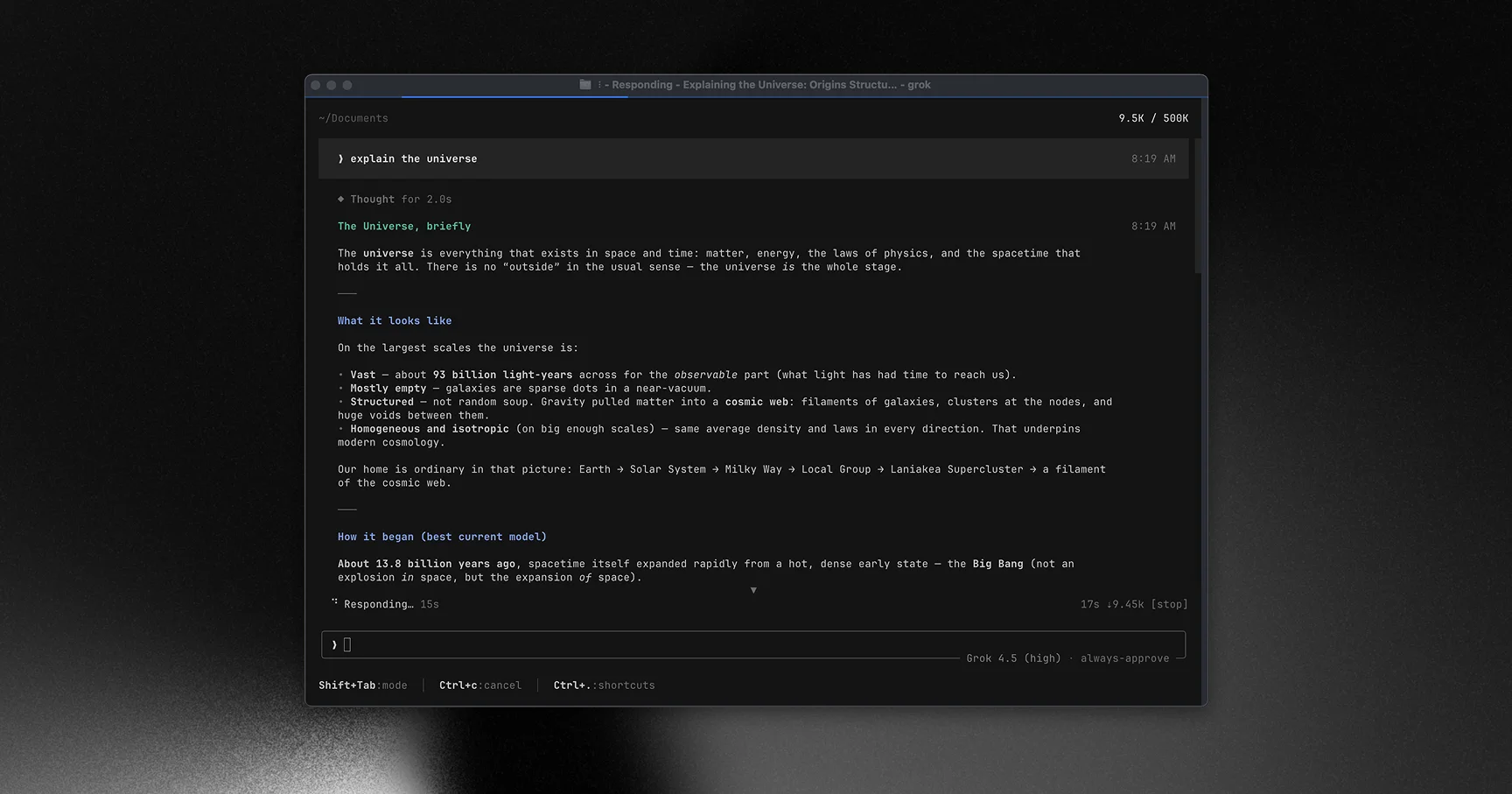
SpaceXAI's Apache-2.0 terminal coding agent with a full-screen TUI, headless automation, ACP integration, and extensible agent workflows.
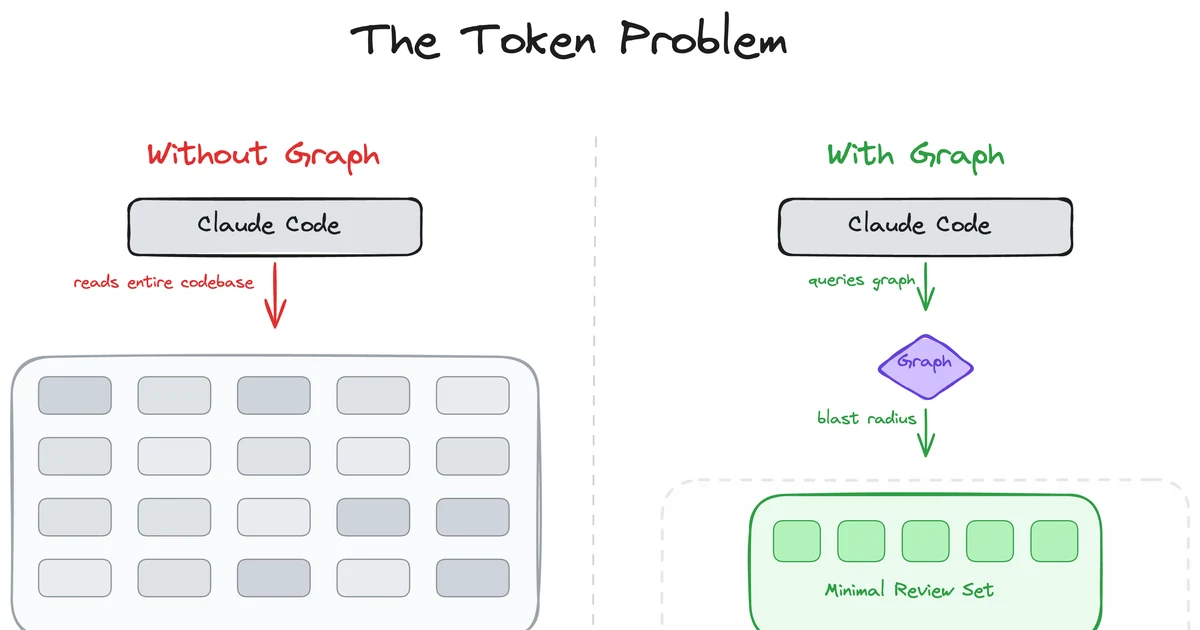
MIT-licensed local code-intelligence graph that gives Claude Code, Codex, Cursor, Copilot, and other MCP clients targeted review context.
MIT-licensed loop-engineering state kernel and local control plane for keeping Codex, Claude Code, Cursor, and peer agent teams on long-running goals.
Alternative Tools to Consider

Open-source terminal session manager for running and supervising multiple AI coding agents across isolated git worktrees.

Open-source macOS desktop UI for orchestrating Claude Code and OpenAI Codex with local CLI auth and parallel threads.

Open terminal sessions in a browser and monitor command-line coding agents from another device.
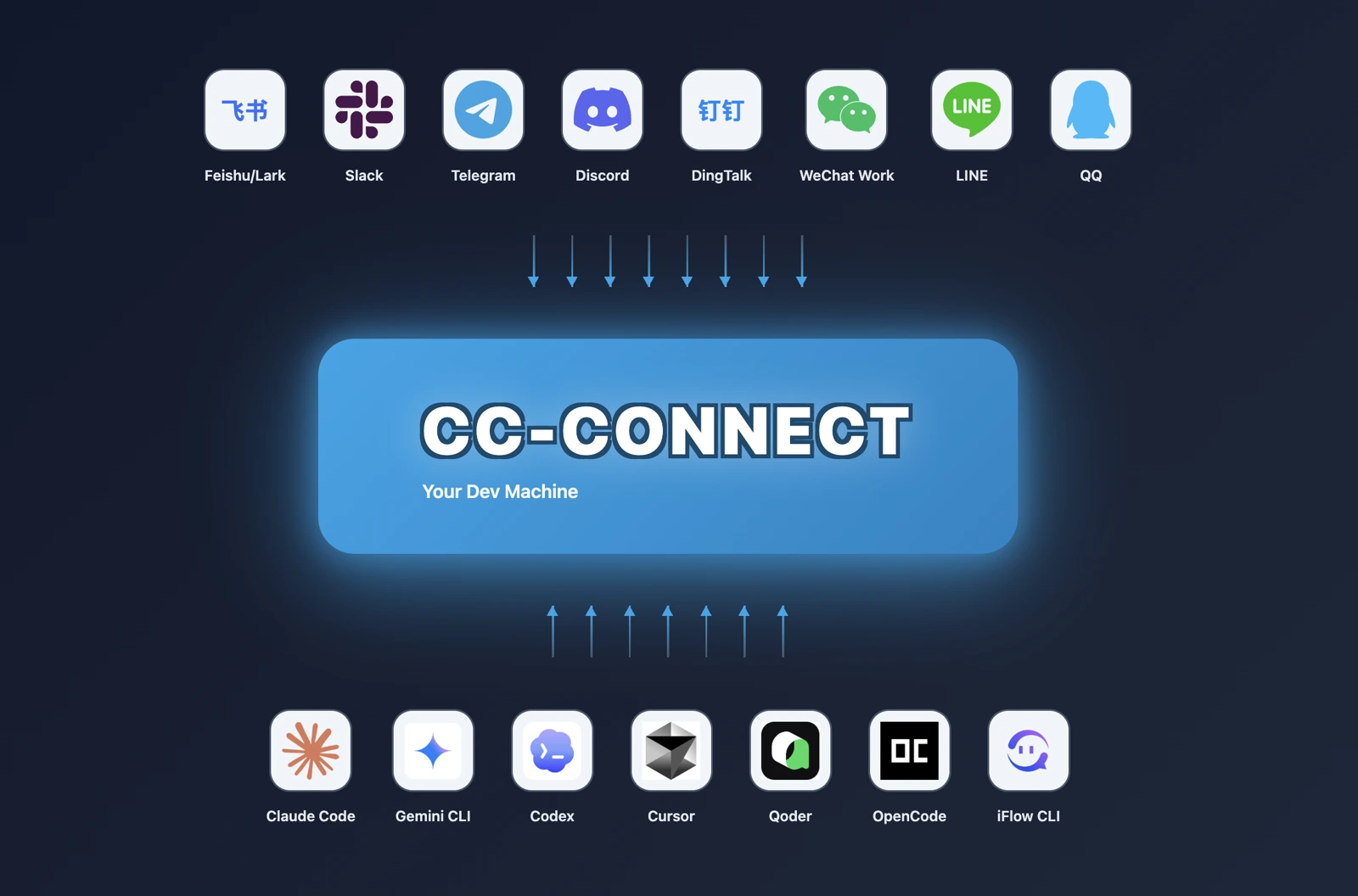
Open-source bridge that lets you control local AI coding agents from Slack, Telegram, Discord, Feishu, WeChat, and other chat platforms.
Do one more comparison before you commit to Zedra
Strong picks usually survive one more internal check. Read deeper, compare a neighbor, then leave for the vendor page if the fit still holds.