Zerostack
Rust-based terminal coding agent focused on low resource usage, granular permissions, prompt modes, and experimental worktree/ACP workflows.
Do not bounce yet
Read the fit check, compare one alternative, then decide whether the vendor page is still your best next click.
Quick Verdict
Fast fit check before you leave the page
Make the fit call first. Vendor pages are good at selling, but they rarely tell you where the product is a bad match.
- Terminal-first developers who care about resource footprint and inspectable open-source tooling
- Builders comparing lightweight CLI alternatives to Pi, OpenCode, Goose, or Aider
- Developers who want stronger permission controls and mode switching inside one coding-agent workflow
- The performance numbers are self-reported by the project, so they are useful as a directional signal but not something to treat as lab-grade benchmarking.
- Official Windows support is explicitly untested, which matters if you want a clean native cross-platform recommendation today.
- Several interesting capabilities, including ACP and some integration paths, are gated or experimental rather than being the default install story.
Compare Next
Take one more internal step before the vendor pitch
This is where visitors usually jump out too early. Read one deeper take or open one alternative so the next click is informed instead of impulsive.
Alternative profile
Agent of Empires
Open-source terminal and web session manager for running multiple AI coding agents across isolated git worktrees and sandboxes.
Alternative profile
Aider
Open-source terminal coding agent with git-native edits, repo mapping, and broad model support
Alternative profile
Apidog MCP Server
Let AI assistants read your API docs directly for instant code and test generation
Zerostack is a Rust terminal coding agent aimed at developers who like the Claude Code or OpenCode category but do not want to pay the runtime tax of a heavier stack by default. The pitch is not just speed theater either: the project bundles real repo workflows like granular permissions, session management, runtime prompt modes, experimental worktrees, and optional ACP support for editor integration.
Zerostack is a terminal coding agent written in Rust for developers who want a lighter-weight alternative to the growing pile of JavaScript-heavy coding CLIs. It still covers the core expectations that matter for real repo work: multi-provider model support, file and shell tools, granular permission modes, session save or resume, runtime prompt switching, and experimental git worktree plus ACP integrations. That makes it relevant to vibe coding beyond novelty value, especially for developers who care about resource footprint and terminal-native control more than polished hosted UX.
Why Choose Zerostack?
Choose Zerostack if you want a terminal-native coding agent that actually tries to stay lightweight instead of hand-waving away memory and CPU overhead as somebody else's problem.
Its permission model is more serious than many new agent launches, which matters if you want controllable automation rather than blind YOLO mode by default.
Runtime prompt switching makes it easier to reuse one tool across planning, coding, debugging, and review-oriented tasks without stitching together extra meta-tooling.
The catch is also clear: this is still a fast-moving young project, so you should treat it as a promising emerging tool, not a fully settled default.
Key Features
Rust-based terminal coding agent with a small self-reported footprint, including a roughly 12.9 MB binary and around 16 MB average RAM use instead of the heavier baseline common in JS-first CLIs.
Multi-provider model support across OpenRouter, OpenAI, Anthropic, Gemini, Ollama, and custom providers rather than locking the workflow to one vendor.
Session save, load, and resume flows with auto-compaction so long-running repo work does not instantly become context-window sludge.
Granular permission system with restrictive, standard, accept-all, and yolo modes plus per-tool patterns, session allowlists, and external-directory rules.
Runtime prompt switching across modes like code, plan, review, debug, ask, brainstorm, and security review without needing to maintain a parallel skill framework yourself.
Experimental extras including slash-command git worktrees, loop mode for long-horizon tasks, optional MCP support, and gated ACP server mode for editor integrations like Zed.
Pros & Cons
- Zerostack has a real differentiator: it is trying to be a serious coding agent without dragging a bloated runtime behind every terminal session.
- The permission and prompt-mode surface is deeper than most minimal-agent launches, which makes it more useful for actual repo work instead of one-shot demos.
- Git worktree and ACP support give it a broader workflow story than a bare local chat loop, especially for developers who care about branch hygiene or editor hookups.
- Fresh GitHub and HN traction suggest this is an actively iterating project, not a dead-on-arrival weekend repo.
- The performance numbers are self-reported by the project, so they are useful as a directional signal but not something to treat as lab-grade benchmarking.
- Official Windows support is explicitly untested, which matters if you want a clean native cross-platform recommendation today.
- Several interesting capabilities, including ACP and some integration paths, are gated or experimental rather than being the default install story.
- GPL-3.0 is a legitimate tradeoff for some commercial teams that would rather standardize on MIT or Apache-licensed tooling.
Detailed Use Cases for Zerostack
Zerostack is attractive when you want a real coding agent on a machine where heavier JavaScript-centric CLIs feel wasteful, sluggish, or just architecturally annoying.
Its runtime prompt switching is useful when you want to change the agent's operating posture without swapping products or maintaining a pile of external prompt wrappers.
The experimental worktree commands make Zerostack relevant for developers who know that coding agents get a lot less cute once several tasks start colliding in one checkout.
If you want to wire a lightweight coding agent into editor workflows like Zed through ACP instead of treating the terminal as the only surface, Zerostack is worth watching.
Who Should Use Zerostack?
Terminal-first developers who care about resource footprint and inspectable open-source tooling
Builders comparing lightweight CLI alternatives to Pi, OpenCode, Goose, or Aider
Developers who want stronger permission controls and mode switching inside one coding-agent workflow
Tinkerers interested in git worktrees, ACP-backed editor connections, or leaner remote-box agent setups
Perfect For
Running a terminal coding agent on lower-resource laptops, dev boxes, or remote environments where heavier CLIs feel wasteful.
Switching between coding, planning, review, debugging, and security-review behaviors inside one terminal-native workflow.
Using branch-per-task git worktrees from inside the agent instead of juggling that discipline manually.
Testing ACP-backed editor workflows or lightweight terminal alternatives to Pi, OpenCode, Goose, or Aider.
Technical Details
Zerostack Comparisons & Alternatives
Zerostack review
Zerostack vs Pi
Zerostack vs OpenCode
Rust terminal coding agent
lightweight AI coding CLI
ACP coding agent for Zed
Developers compare Zerostack with other vibe coding tools when they need a better workflow fit, not just a better landing page.
Direct Competitors
Pi
OpenCode
Goose
Aider
Similar Tools You Might Like
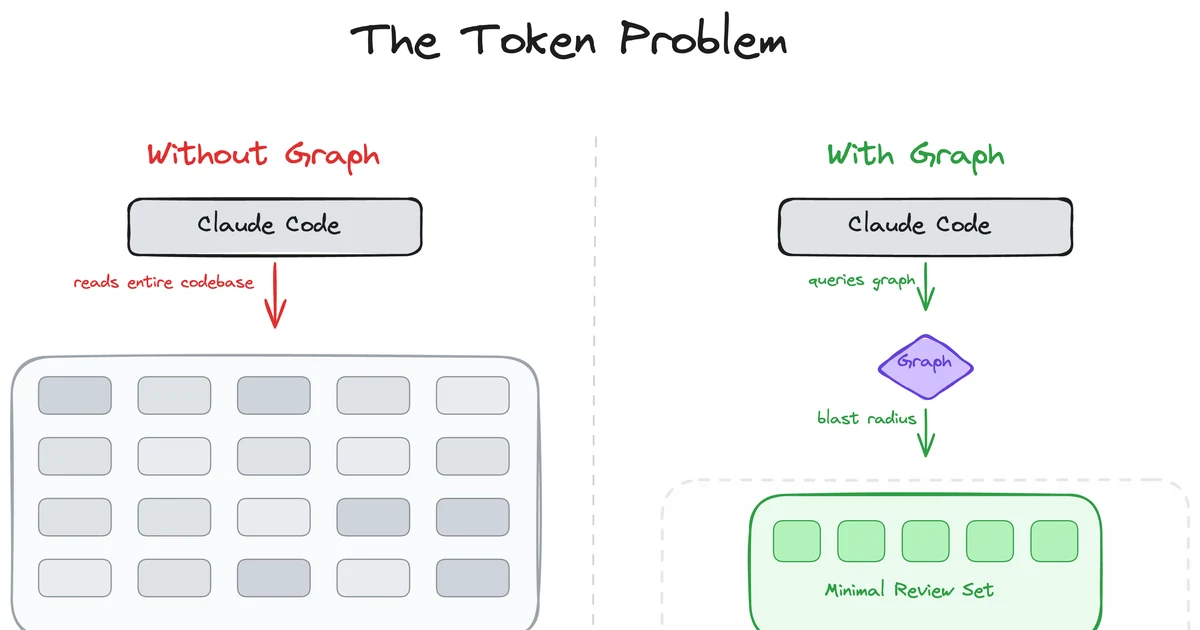
MIT-licensed local code-intelligence graph that gives Claude Code, Codex, Cursor, Copilot, and other MCP clients targeted review context.
MIT-licensed loop-engineering state kernel and local control plane for keeping Codex, Claude Code, Cursor, and peer agent teams on long-running goals.
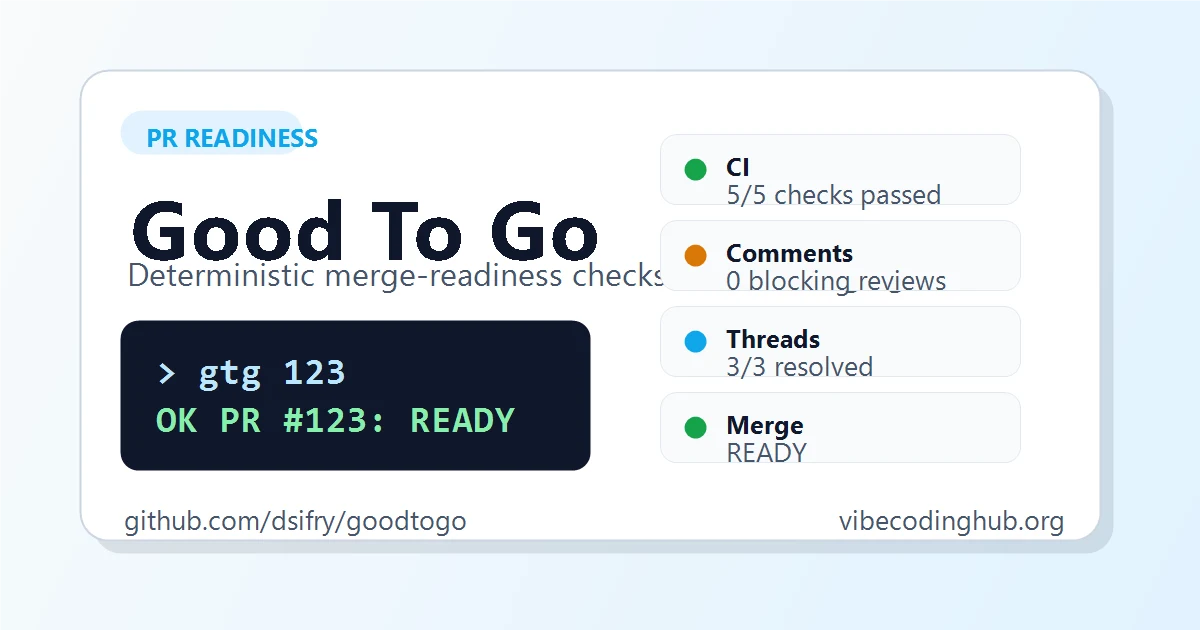
MIT-licensed CLI that gives AI coding agents a deterministic answer on whether a GitHub pull request is ready to merge.
Alternative Tools to Consider

Open-source terminal and web session manager for running multiple AI coding agents across isolated git worktrees and sandboxes.

Open-source terminal coding agent with git-native edits, repo mapping, and broad model support
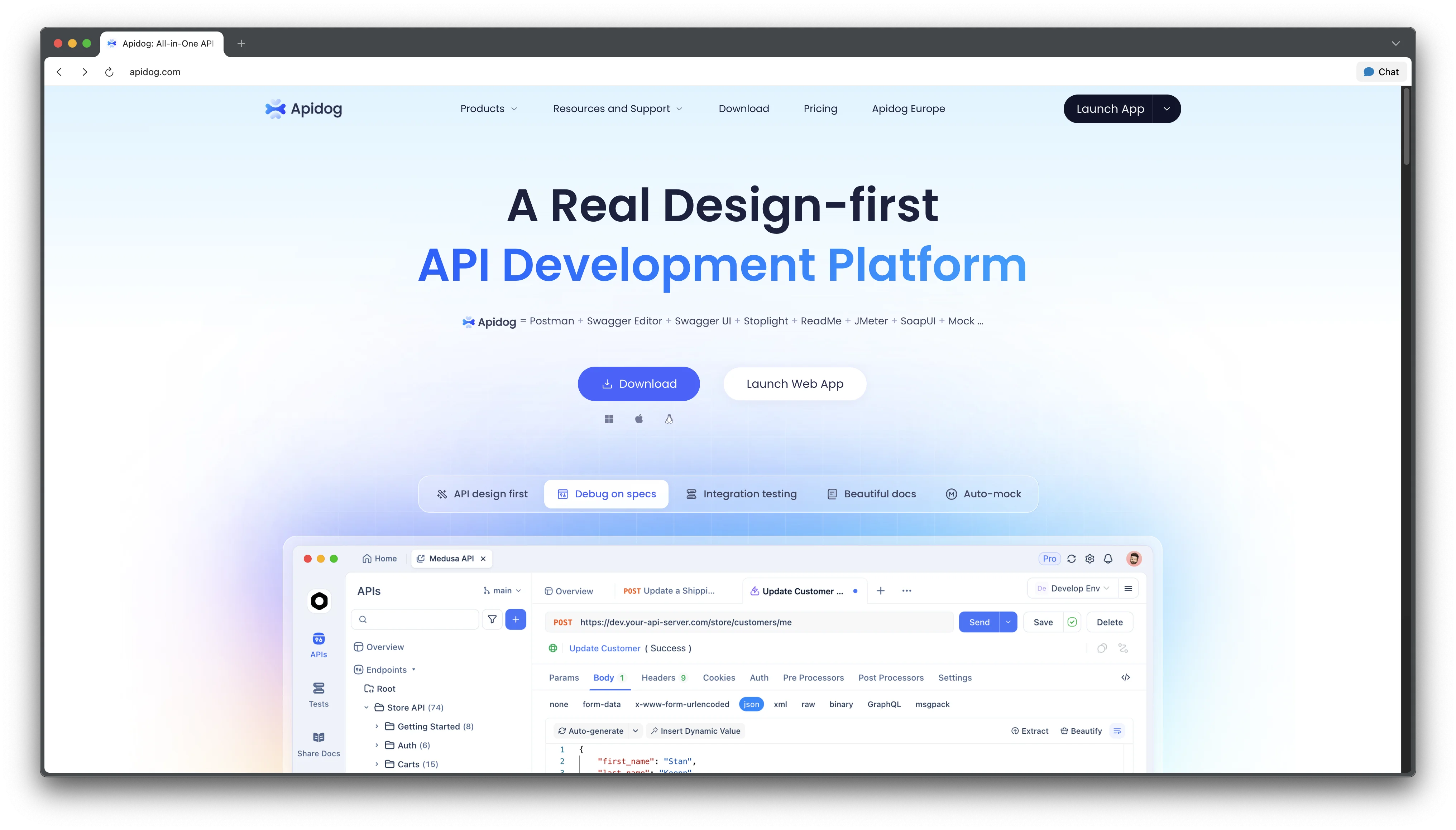
Let AI assistants read your API docs directly for instant code and test generation

Your AI pair programmer that suggests code and entire functions in real-time

Open-source local AI agent from Block with CLI and desktop workflows, MCP extensibility, and real engineering task automation.

Open-source coding agent for the terminal with provider-agnostic model support, built-in agents, and optional desktop/IDE surfaces.
Do one more comparison before you commit to Zerostack
Strong picks usually survive one more internal check. Read deeper, compare a neighbor, then leave for the vendor page if the fit still holds.