Optio
MIT-licensed self-hosted AI engineering platform that runs Claude Code, Codex, Copilot, Gemini, and OpenCode agents in Kubernetes from tickets to PRs.
Do not bounce yet
Read the fit check, compare one alternative, then decide whether the vendor page is still your best next click.
Quick Verdict
Fast fit check before you leave the page
Make the fit call first. Vendor pages are good at selling, but they rarely tell you where the product is a bad match.
- Engineering teams running multiple Claude Code, Codex, Copilot, Gemini, or OpenCode agents
- Platform teams building self-hosted AI engineering infrastructure around GitHub Issues, Linear, Jira, Notion, CI, and pull requests
- Security-conscious organizations comparing hosted coding agents against self-managed Kubernetes orchestration
- The current SECURITY.md says the web UI and API have no built-in authentication, so public exposure without a separate auth and network layer is unsafe.
- Kubernetes, Postgres, Redis, Helm, GitHub App setup, model credentials, and agent images make evaluation much heavier than trying a local CLI or IDE plugin.
- Auto-merge and self-healing loops can amplify bad requirements or weak tests unless teams keep human review and clear acceptance criteria in the process.
Compare Next
Take one more internal step before the vendor pitch
This is where visitors usually jump out too early. Read one deeper take or open one alternative so the next click is informed instead of impulsive.
Alternative profile
Symphony
Apache-2.0 Codex orchestration spec and Elixir preview that turns Linear issues into isolated, long-running agent implementation runs.
Alternative profile
Agentic Orchestrator
DoorDash open-source TUI that turns large feature requests into checkpointed multi-phase coding-agent workflows across Claude Code, Codex, and OpenCode.
Alternative profile
Devin
Cloud-executed AI software engineer that takes repository tasks from prompt to tested diff and pull request.
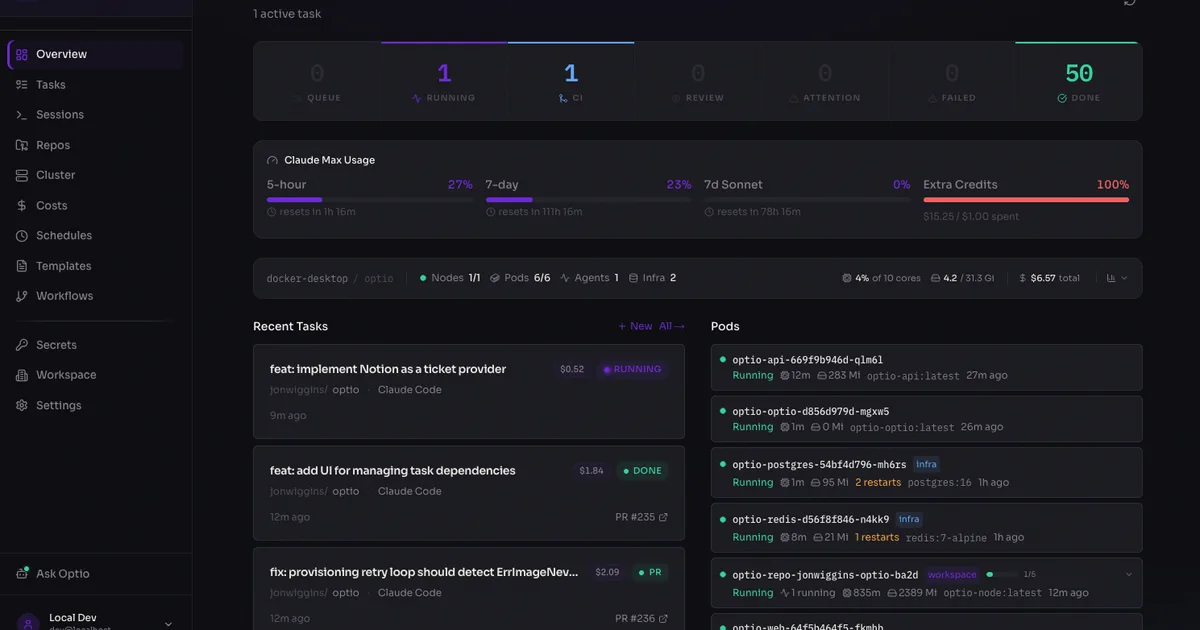
Optio is for teams that have moved past the novelty phase of one coding agent in one terminal. Once several agents are working across tickets, branches, reviews, CI failures, and merge decisions, the hard problem becomes orchestration. Optio tries to solve that by running Claude Code, Codex, Copilot, Gemini, and OpenCode in your own Kubernetes infrastructure and driving work from tickets to pull requests.
Optio is a self-hosted orchestration platform for AI coding agents. It turns GitHub Issues, Linear, Jira, Notion, manual tasks, schedules, and webhooks into Kubernetes-hosted agent runs, then manages repo worktrees, live logs, CI monitoring, review feedback, automatic retries, PR creation, optional auto-merge, reusable jobs, and long-lived persistent agents. That makes it relevant to vibe-coding teams that want to run Claude Code, OpenAI Codex, GitHub Copilot, Google Gemini, or OpenCode against their own infrastructure instead of handing source code and agent logs to a hosted black box.
Why Choose Optio?
Choose Optio when you want ticket-to-PR automation but cannot accept sending source code, secrets, and agent logs to a hosted coding-agent vendor.
Its strongest fit is a platform-minded engineering team that already runs Kubernetes and wants isolation, logs, CI feedback loops, review agents, and model choice under one control plane.
The Tasks, Jobs, and Persistent Agents model makes it broader than a PR bot: it can run repo work, reusable non-repo automation, and event-driven long-lived agents.
Do not treat Optio as turnkey enterprise-safe software. Its own security documentation says the current UI and API have no built-in auth, so trusted-network deployment and hardening are mandatory.
Key Features
Runs AI coding-agent work as Tasks, Jobs, or Persistent Agents, all sharing triggers, prompt templates, log streaming, and the /api/tasks HTTP surface.
Turns GitHub Issues, Linear, Jira, Notion, manual tasks, schedules, or webhooks into isolated Kubernetes agent runs with repo worktrees and live logs.
Keeps the PR feedback loop moving by monitoring CI, review state, merge readiness, merge conflicts, and requested changes, then resuming the agent with the relevant context.
Supports Claude Code, OpenAI Codex, GitHub Copilot, Google Gemini, and OpenCode through provider adapters and per-repo model and prompt configuration.
Includes Persistent Agents with stable slugs, inboxes, inter-agent HTTP messaging, cron or webhook wakeups, and always-on, sticky, or on-demand pod lifecycle modes.
Ships a web dashboard, Fastify API, Helm chart, GitHub App setup path, Connections for external tools and MCP servers, encrypted-at-rest secrets, and cost/log surfaces.
Pros & Cons
- Optio tackles the operational layer around coding agents instead of only wrapping one model call: ticket intake, execution, CI, review, retries, and PR completion.
- Self-hosting on Kubernetes is attractive for teams that cannot send code, secrets, and agent logs to a hosted automation vendor.
- Multi-agent support lets teams compare Claude Code, Codex, Copilot, Gemini, and OpenCode behind one orchestration surface.
- The HN launch discussion and roughly 1k GitHub stars give it stronger public proof than most launch-week agent orchestration demos.
- The current SECURITY.md says the web UI and API have no built-in authentication, so public exposure without a separate auth and network layer is unsafe.
- Kubernetes, Postgres, Redis, Helm, GitHub App setup, model credentials, and agent images make evaluation much heavier than trying a local CLI or IDE plugin.
- Auto-merge and self-healing loops can amplify bad requirements or weak tests unless teams keep human review and clear acceptance criteria in the process.
- Public production evidence outside the founder launch, GitHub activity, HN thread, and second-hand social discussion is still limited.
Detailed Use Cases for Optio
Use Optio when issues from GitHub, Linear, Jira, or Notion should become isolated agent runs that open PRs, watch CI, react to review feedback, and optionally merge after checks pass.
Optio is useful when a team wants Claude Code, OpenAI Codex, GitHub Copilot, Google Gemini, and OpenCode available behind one orchestration surface instead of one vendor-specific queue.
Jobs can run parameterized agent tasks for reports, audits, triage, database queries, Slack updates, or webhook-driven workflows without checking out a repository.
Persistent Agents provide stable slugs, inboxes, wakeup triggers, and inter-agent messaging for long-lived agent processes that should respond to events over time.
Who Should Use Optio?
Engineering teams running multiple Claude Code, Codex, Copilot, Gemini, or OpenCode agents
Platform teams building self-hosted AI engineering infrastructure around GitHub Issues, Linear, Jira, Notion, CI, and pull requests
Security-conscious organizations comparing hosted coding agents against self-managed Kubernetes orchestration
Developers evaluating whether ticket-to-PR automation needs persistent agents, review loops, and Kubernetes isolation
Perfect For
Run ticket-to-PR coding-agent workflows inside your own Kubernetes cluster instead of a hosted agent cloud.
Coordinate several Claude Code, Codex, Copilot, Gemini, or OpenCode runs across repositories while preserving worktree isolation and PR review loops.
Build internal engineering automation where agents respond to issues, webhooks, schedules, CI failures, and review comments.
Experiment with long-lived persistent agents that can receive messages, wake on events, and collaborate through an internal HTTP API.
Technical Details
Optio Comparisons & Alternatives
Optio review
Optio vs Open SWE
Optio vs Vibe Kanban
Optio vs Devin
Kubernetes coding agent orchestration
self hosted AI coding agent platform
Claude Code Codex orchestration
ticket to PR AI agent
Developers compare Optio with other vibe coding tools when they need a better workflow fit, not just a better landing page.
Direct Competitors
Open SWE
Vibe Kanban
Agentic Orchestrator
Symphony
OpenHands
Devin
Similar Tools You Might Like
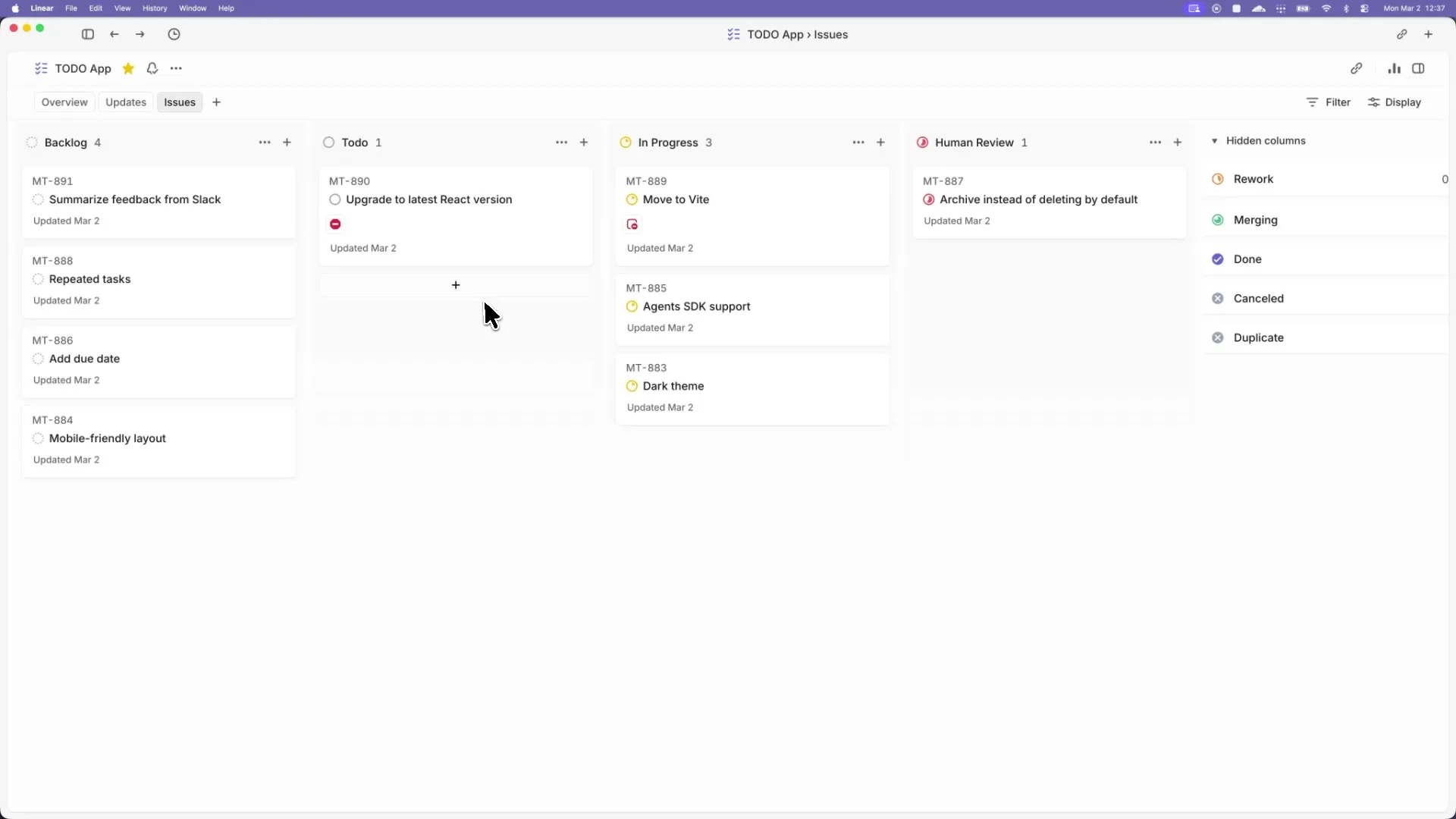
Apache-2.0 Codex orchestration spec and Elixir preview that turns Linear issues into isolated, long-running agent implementation runs.

MIT-licensed skills framework and software-development methodology that makes Claude Code, Codex, Cursor, OpenCode, Pi, and other coding agents follow spec, TDD, review, and branch workflows.
MIT-licensed engineering skill pack that gives Claude Code, Codex, Cursor, Gemini CLI, OpenCode, and other coding agents repeatable senior-engineer workflows.
Alternative Tools to Consider
Apache-2.0 Codex orchestration spec and Elixir preview that turns Linear issues into isolated, long-running agent implementation runs.
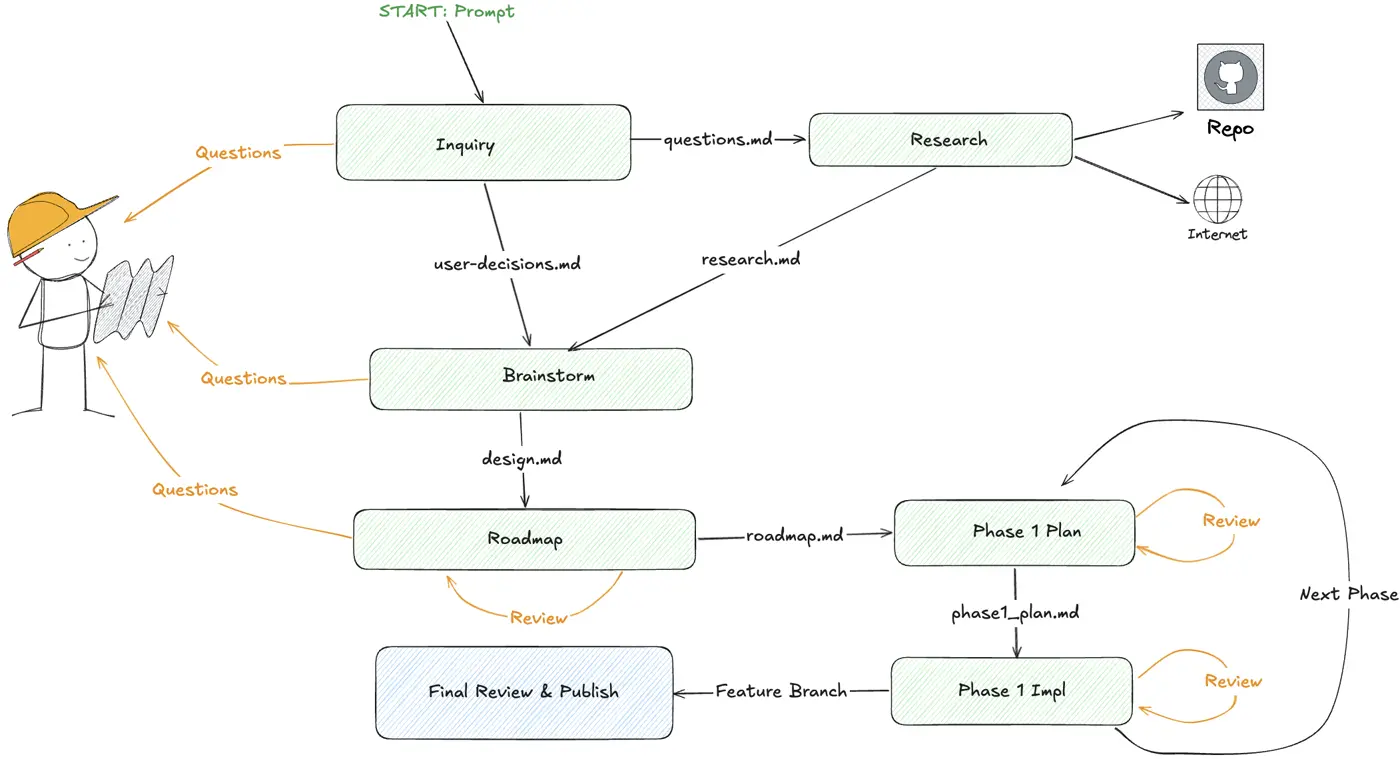
DoorDash open-source TUI that turns large feature requests into checkpointed multi-phase coding-agent workflows across Claude Code, Codex, and OpenCode.

Cloud-executed AI software engineer that takes repository tasks from prompt to tested diff and pull request.

Open-source asynchronous coding-agent framework for turning issues and threads into sandboxed engineering runs and reviewable pull requests.

Source-available coding agent platform with a web GUI, CLI, and SDK for running autonomous software tasks locally or in the cloud.
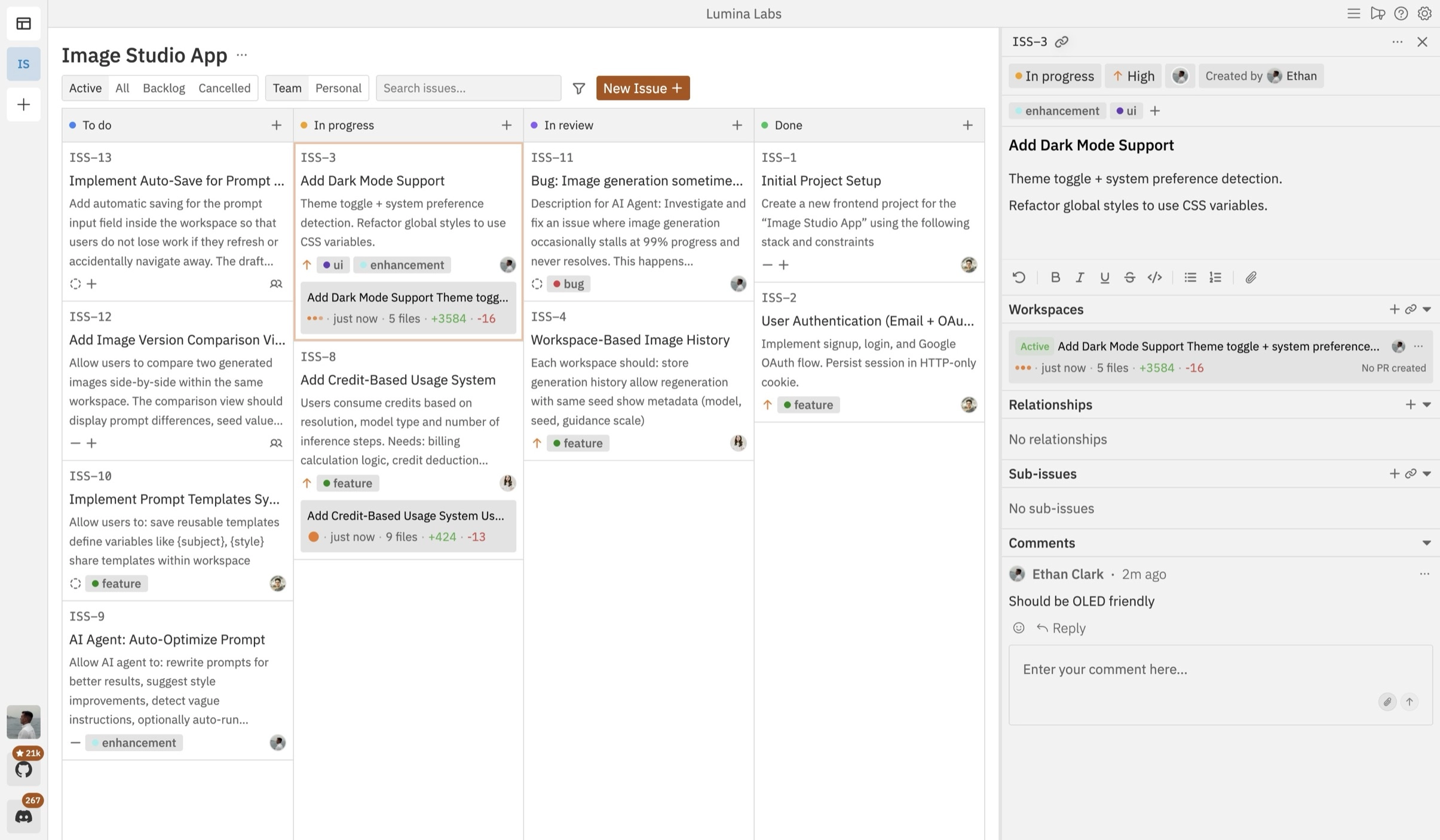
Open-source Kanban control plane for planning, running, and reviewing multiple coding agents across isolated workspaces.
Do one more comparison before you commit to Optio
Strong picks usually survive one more internal check. Read deeper, compare a neighbor, then leave for the vendor page if the fit still holds.