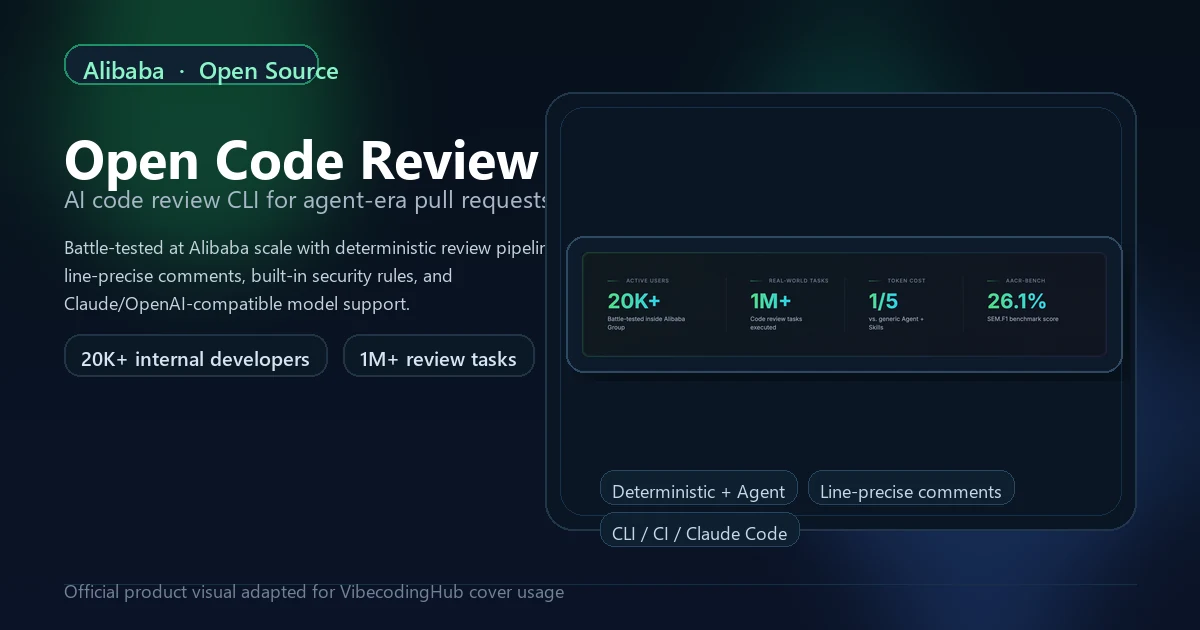
Open Code Review
Open-source AI code review CLI that reads diffs, explores repo context, and produces line-level review comments for agent-heavy pull requests.
Do not bounce yet
Read the fit check, compare one alternative, then decide whether the vendor page is still your best next click.
Quick Verdict
Fast fit check before you leave the page
Make the fit call first. Vendor pages are good at selling, but they rarely tell you where the product is a bad match.
- Developers already using coding agents who want stronger review before merge
- Teams comparing Open Code Review vs CodeRabbit or Qodo for AI-assisted code review
- Platform or DevEx teams that want an open-source review layer they can script into CI or internal workflows
- You still need to bring and pay for a compatible model endpoint, so the tool is not magically free in practical usage.
- The strongest proof points are internal Alibaba scale claims plus early public traction, not yet years of broad community adoption outside that ecosystem.
- This is review infrastructure, not a beginner-friendly all-in-one coding IDE, so teams expecting instant turnkey polish may find it more operational than playful.
Compare Next
Take one more internal step before the vendor pitch
This is where visitors usually jump out too early. Read one deeper take or open one alternative so the next click is informed instead of impulsive.
Alternative profile
Claude Code Router
MIT-licensed local gateway and desktop control plane for routing Claude Code, Codex, Grok CLI, and compatible agents across model providers.
Alternative profile
Claude Code
Agentic AI coding assistant that lives in your terminal, understands your entire codebase and automates routine tasks
Alternative profile
Claude Code Chat
Beautiful chat interface for Claude Code right inside VS Code, no terminal required
Open Code Review exists because asking a generic coding agent to "also review this PR" is often not good enough. Big diffs get partially ignored, comments land on the wrong lines, and review quality swings around with prompt wording. Open Code Review is more interesting because it is explicitly engineered for code review as a workflow, not just repackaged chat with a git diff glued on top.
Open Code Review is a purpose-built code review agent rather than another generic chat wrapper pretending diff review is solved. It combines deterministic review plumbing with an LLM agent: the deterministic layer handles file selection, rule routing, positioning, and concurrency, while the model handles context gathering, risk reasoning, and issue classification. That makes it directly relevant to vibe coding teams shipping more AI-generated code and needing a stronger review layer before sloppy pull requests hit main.
Why Choose Open Code Review?
Choose Open Code Review if your team is generating more code with agents and now needs a review layer that is inspectable, automatable, and less hand-wavy than improvised prompt rituals.
Its deterministic-plus-agent design is a meaningful differentiator because it constrains the brittle parts of review instead of trusting the model to freestyle everything.
The CLI, JSON output, Claude Code integration paths, and local viewer make it relevant to real terminal-heavy engineering workflows rather than only GitHub comment spam.
Apache-2.0 licensing and bring-your-own-model flexibility make it a serious option for teams comparing open-source review infrastructure against proprietary review platforms.
Key Features
Diff-aware review CLI that can inspect changed files, search the repository, read full-file context, and return line-level comments instead of vague blob feedback.
Hybrid architecture that separates deterministic engineering steps such as file filtering, task splitting, positioning, and concurrency from the LLM agent's semantic reasoning.
Built-in review rules validated in large-scale internal usage, including checks for issues such as NPE risks, thread safety, XSS, SQL injection, and other language-specific defects.
Multiple entry points including local CLI review, JSON output for CI pipelines, a local viewer UI, and install paths for Claude Code skills and slash-command plugins.
Supports both Anthropic Messages API and OpenAI-compatible endpoints, so teams are not locked to one model vendor.
Preview and rule-check flows that make the review process more inspectable than black-box review bots that just dump comments into a PR.
Pros & Cons
- It is built for review specifically, which is more useful than asking a generic coding agent to improvise a review workflow from scratch every time.
- The deterministic-plus-agent design is a serious attempt to fix common review failures like missed files, position drift, and unstable prompting behavior.
- Open-source Apache-2.0 licensing plus local CLI execution gives teams a more inspectable and controllable workflow than hosted-only review products.
- The combination of public repo traction and Alibaba's large internal deployment history gives it more credibility than random wrapper launches.
- You still need to bring and pay for a compatible model endpoint, so the tool is not magically free in practical usage.
- The strongest proof points are internal Alibaba scale claims plus early public traction, not yet years of broad community adoption outside that ecosystem.
- This is review infrastructure, not a beginner-friendly all-in-one coding IDE, so teams expecting instant turnkey polish may find it more operational than playful.
- Code review quality still depends on rule quality, model configuration, and human judgment; open source does not exempt it from verification.
Detailed Use Cases for Open Code Review
Use Open Code Review when coding agents are producing diffs faster than humans can safely inspect them and you need structured line-level feedback before bad code slips through.
The CLI and JSON output are useful when you want review automation in your own terminal or pipeline instead of handing everything to a proprietary SaaS layer.
The published skill and slash-command integration paths make Open Code Review relevant if your team already uses terminal coding agents and wants a dedicated reviewer in that loop.
If your team is evaluating whether it really needs a subscription product for AI review, Open Code Review is one of the more defensible open-source options to test.
Who Should Use Open Code Review?
Developers already using coding agents who want stronger review before merge
Teams comparing Open Code Review vs CodeRabbit or Qodo for AI-assisted code review
Platform or DevEx teams that want an open-source review layer they can script into CI or internal workflows
Engineers who prefer CLI and repo-native review control over SaaS-only review products
Perfect For
Reviewing AI-generated pull requests before they merge into important branches.
Running local or CI-based code review in terminal-heavy agent workflows instead of relying only on PR-thread bots.
Adding structured review gates to Claude Code or similar coding-agent setups using skills, slash commands, or CI hooks.
Evaluating an open-source alternative to proprietary AI code review products such as CodeRabbit or Qodo.
Technical Details
Open Code Review Comparisons & Alternatives
Open Code Review review
Open Code Review vs CodeRabbit
Open Code Review vs Qodo
open source AI code review CLI
AI pull request review tool
Claude Code code review skill
Developers compare Open Code Review with other vibe coding tools when they need a better workflow fit, not just a better landing page.
Direct Competitors
CodeRabbit
Qodo
Haystack
Claude Code
Similar Tools You Might Like
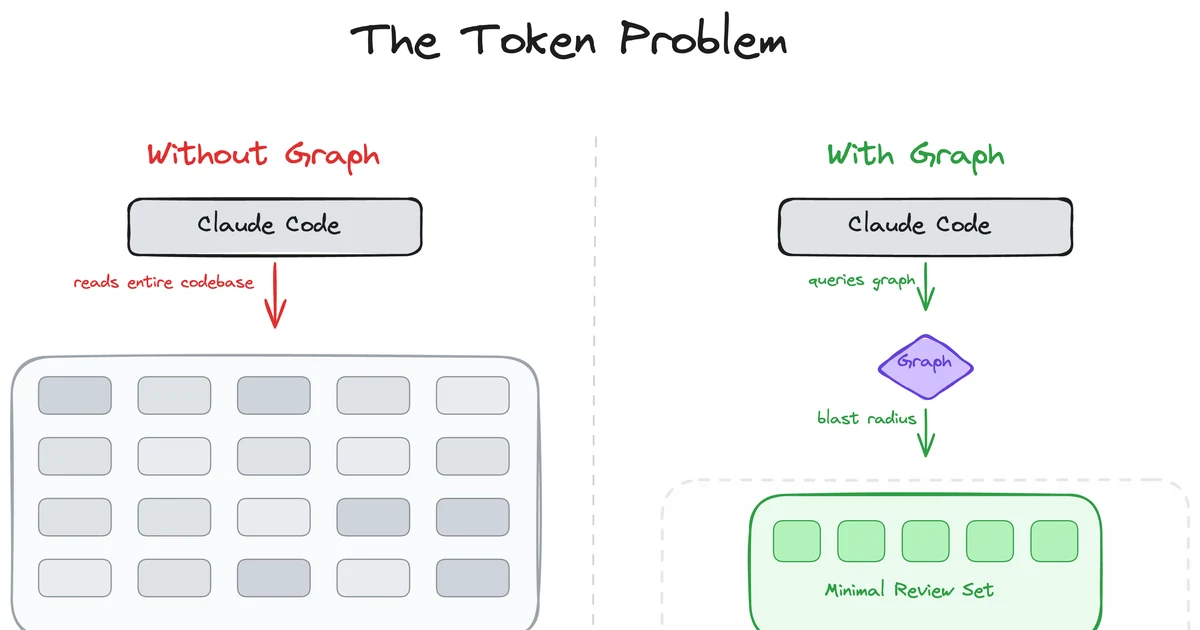
MIT-licensed local code-intelligence graph that gives Claude Code, Codex, Cursor, Copilot, and other MCP clients targeted review context.
MIT-licensed loop-engineering state kernel and local control plane for keeping Codex, Claude Code, Cursor, and peer agent teams on long-running goals.
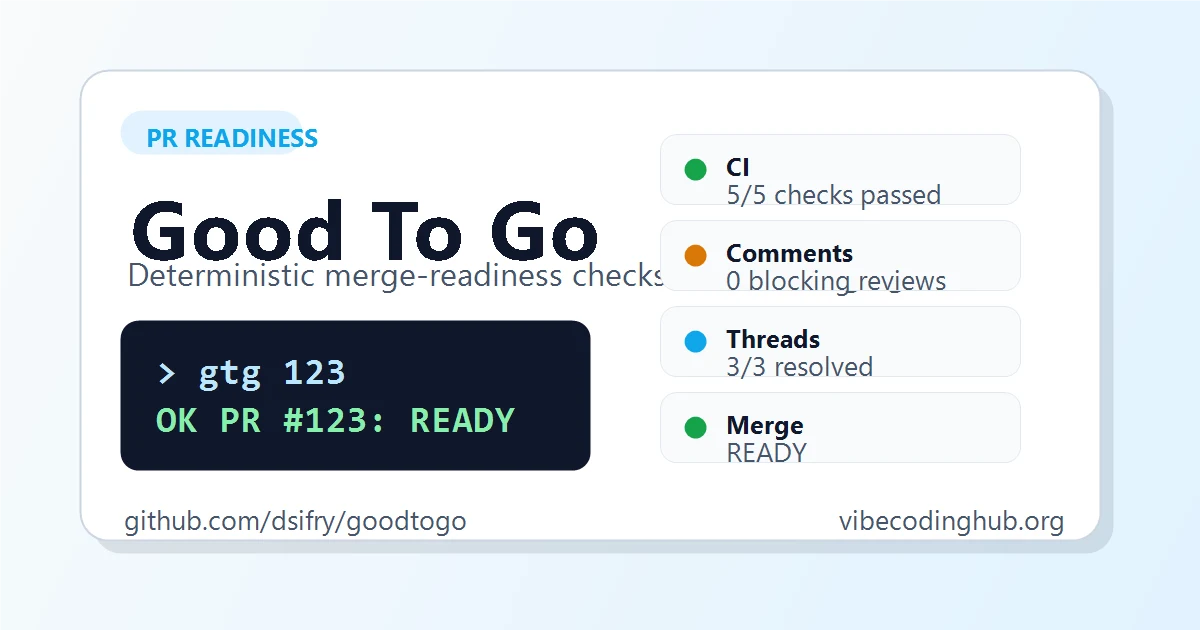
MIT-licensed CLI that gives AI coding agents a deterministic answer on whether a GitHub pull request is ready to merge.
Alternative Tools to Consider
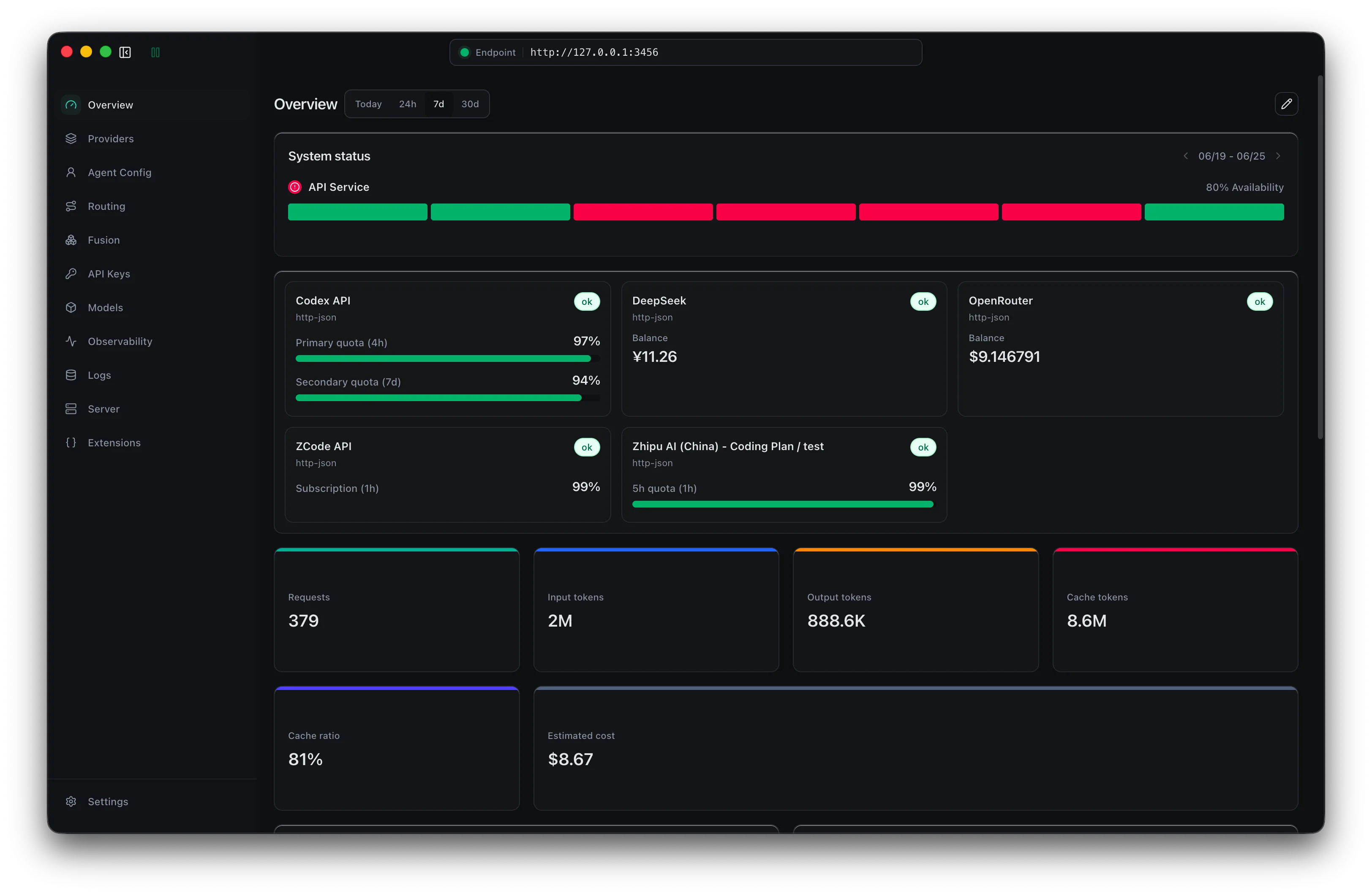
MIT-licensed local gateway and desktop control plane for routing Claude Code, Codex, Grok CLI, and compatible agents across model providers.
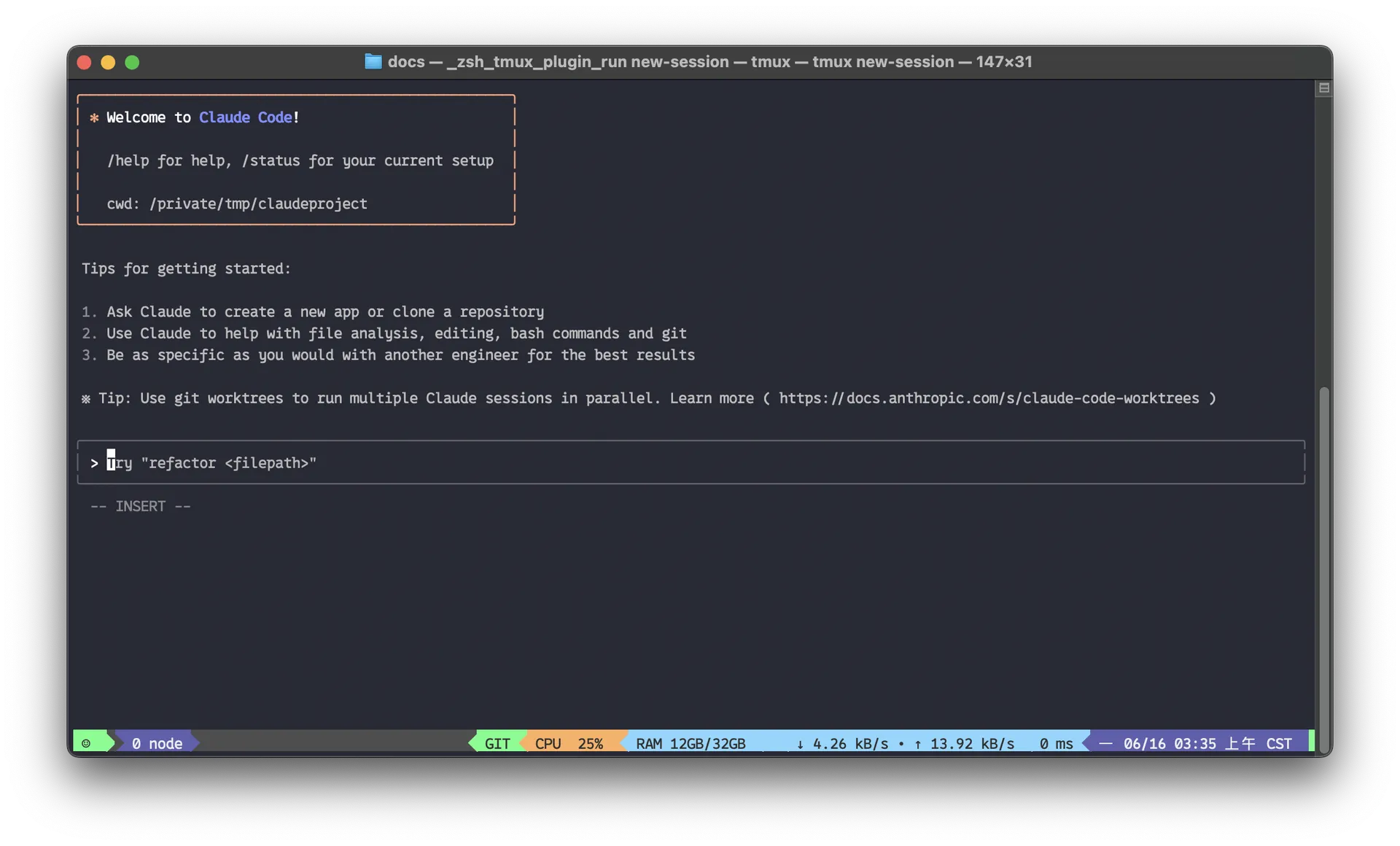
Agentic AI coding assistant that lives in your terminal, understands your entire codebase and automates routine tasks

Beautiful chat interface for Claude Code right inside VS Code, no terminal required

Open-source terminal dashboard for tracking Claude Code token usage, burn rate, and predicted session cutoffs.

AI code review platform for pull requests, IDEs, and the CLI, built to catch bugs and keep fast-moving agentic teams from merging sloppy changes.

AI code review platform for pull requests, local IDE workflows, issue resolution, and rules enforcement.
Do one more comparison before you commit to Open Code Review
Strong picks usually survive one more internal check. Read deeper, compare a neighbor, then leave for the vendor page if the fit still holds.