Taskmaster
AI-driven task management layer for Claude Code, Cursor, Codex, Windsurf, Roo, and other coding agents.
Do not bounce yet
Read the fit check, compare one alternative, then decide whether the vendor page is still your best next click.
Quick Verdict
Fast fit check before you leave the page
Make the fit call first. Vendor pages are good at selling, but they rarely tell you where the product is a bad match.
- Developers using Claude Code, Codex, Cursor, Windsurf, or Roo who need more task structure than freeform prompting provides
- Small teams turning product briefs into implementation plans for AI-assisted delivery
- Builders whose coding agents drift, repeat work, or lose track of dependencies on larger features
- MIT with Commons Clause means the repo is source-available, not straightforward OSI open source.
- The free path is real but limited, and the more polished team or cloud workflow depends on paid Hamster plans.
- It still adds setup and process overhead compared with raw vibe coding, so it is overkill for trivial one-file edits.
Compare Next
Take one more internal step before the vendor pitch
This is where visitors usually jump out too early. Read one deeper take or open one alternative so the next click is informed instead of impulsive.
Alternative profile
Claude Code
Agentic AI coding assistant that lives in your terminal, understands your entire codebase and automates routine tasks
Alternative profile
OpenSpec
Open-source spec-driven framework that adds lightweight proposal, design, task, and archive workflows to modern coding agents.
Alternative profile
Plandex
Open-source terminal coding agent built for large tasks, large files, and reviewable AI-driven repo changes.
Taskmaster is interesting because it is not trying to be yet another magical coder. It is trying to solve the much dumber and more common failure mode: AI coding sessions move fast but lose structure. By turning briefs and PRDs into tasks, subtasks, dependencies, and acceptance criteria, Taskmaster gives coding agents a plan to follow instead of forcing developers to keep the whole roadmap inside one chat window.
Taskmaster is a task-management system for AI-driven development that turns briefs and PRDs into structured tasks, subtasks, dependencies, context, and acceptance criteria, then exposes that plan through CLI and MCP workflows inside tools like Claude Code, Cursor, Windsurf, Roo, Lovable, and Codex CLI. Unlike shallow prompt packs, it gives coding agents a persistent execution structure, research hooks, and task state so larger features do not rely on one giant chat window. The caveat matters: the public repository uses MIT with Commons Clause rather than plain MIT, and the broader Hamster product layers paid team and cloud features on top.
Why Choose Taskmaster?
Choose Taskmaster when your real problem is not code generation speed but execution drift across long-running AI coding sessions.
Its cross-tool support matters because the workflow can sit on top of Claude Code, Cursor, Windsurf, Roo, Lovable, and Codex-style setups instead of locking you into one editor.
Taskmaster is more defensible than prompt-template fluff because it combines a real repo, official docs, npm distribution, and a visible product model with paid team workflows.
Do not ignore the licensing caveat: the public repo uses MIT with Commons Clause, so this is source-available rather than plain open source.
Key Features
Turns product briefs or PRDs into structured tasks, subtasks, dependencies, context, and acceptance criteria instead of leaving implementation order implicit in chat history.
Ships both CLI and MCP workflows so it can plug into Claude Code, Cursor, Windsurf, Roo, VS Code, Amazon Q CLI, Lovable, and other agent-capable environments.
Supports task trees, dependency-aware sequencing, tags or workstreams, research commands, and loop-style automation for longer-running agent work.
Lets teams mix provider paths including Anthropic, OpenAI, Gemini, Perplexity, xAI, OpenRouter, Mistral, Ollama, Claude Code CLI, and Codex CLI depending on setup.
Backed by a real product surface with official docs, changelog, Discord, npm distribution, and Hamster pricing instead of being a one-file repo with vibes.
Team plans add cloud agents, broader collaboration, and governance features for teams that want more than a solo local workflow.
Pros & Cons
- Taskmaster directly attacks agent drift by giving the model a persistent task structure instead of hoping one long prompt stays coherent.
- Broad editor and agent compatibility matters because it is not locked to a single IDE vendor or one chat surface.
- It spans solo CLI usage and paid team workflows, which makes it more credible than tools that only demo well in a greenfield toy repo.
- GitHub, npm, X, HN, and the official Hamster site all show enough signal to treat it as an actual category player.
- MIT with Commons Clause means the repo is source-available, not straightforward OSI open source.
- The free path is real but limited, and the more polished team or cloud workflow depends on paid Hamster plans.
- It still adds setup and process overhead compared with raw vibe coding, so it is overkill for trivial one-file edits.
- If you use model-provider APIs instead of Claude Code or Codex CLI auth, you still inherit the usual key-management and usage-cost mess.
Detailed Use Cases for Taskmaster
Use Taskmaster when a feature starts as a product brief or PRD and you want explicit subtasks, dependencies, and acceptance criteria before the agent begins implementation.
Taskmaster helps keep Claude Code, Codex, Cursor, and similar tools aligned when a change spans enough steps that freeform chat starts drifting.
Teams can use Taskmaster as a bridge between planning and coding so implementation state is not trapped in one developer's private chat thread.
It is a better fit than raw prompt-and-ship workflows when you want agent speed without pretending structure and sequencing do not matter.
Who Should Use Taskmaster?
Developers using Claude Code, Codex, Cursor, Windsurf, or Roo who need more task structure than freeform prompting provides
Small teams turning product briefs into implementation plans for AI-assisted delivery
Builders whose coding agents drift, repeat work, or lose track of dependencies on larger features
Practitioners comparing planning-layer tools like Taskmaster, OpenSpec, and Spec Kit for serious vibe coding workflows
Perfect For
Breaking a product brief into a reviewable execution plan before asking coding agents to implement anything substantial.
Keeping Claude Code, Codex, Cursor, or Windsurf sessions aligned on multi-step features with explicit task dependencies.
Adding a task-management layer to longer-running agent workflows where freeform chat starts drifting or repeating work.
Giving small teams a shared path from briefs to structured execution without copy-pasting between PM docs and agent chats.
Technical Details
Taskmaster Comparisons & Alternatives
Taskmaster review
Taskmaster AI review
Taskmaster vs OpenSpec
Taskmaster vs Spec Kit
PRD to tasks AI coding tool
Claude Code task management workflow
Developers compare Taskmaster with other vibe coding tools when they need a better workflow fit, not just a better landing page.
Direct Competitors
OpenSpec
Spec Kit
Plandex
Claude Code with custom workflows
Similar Tools You Might Like
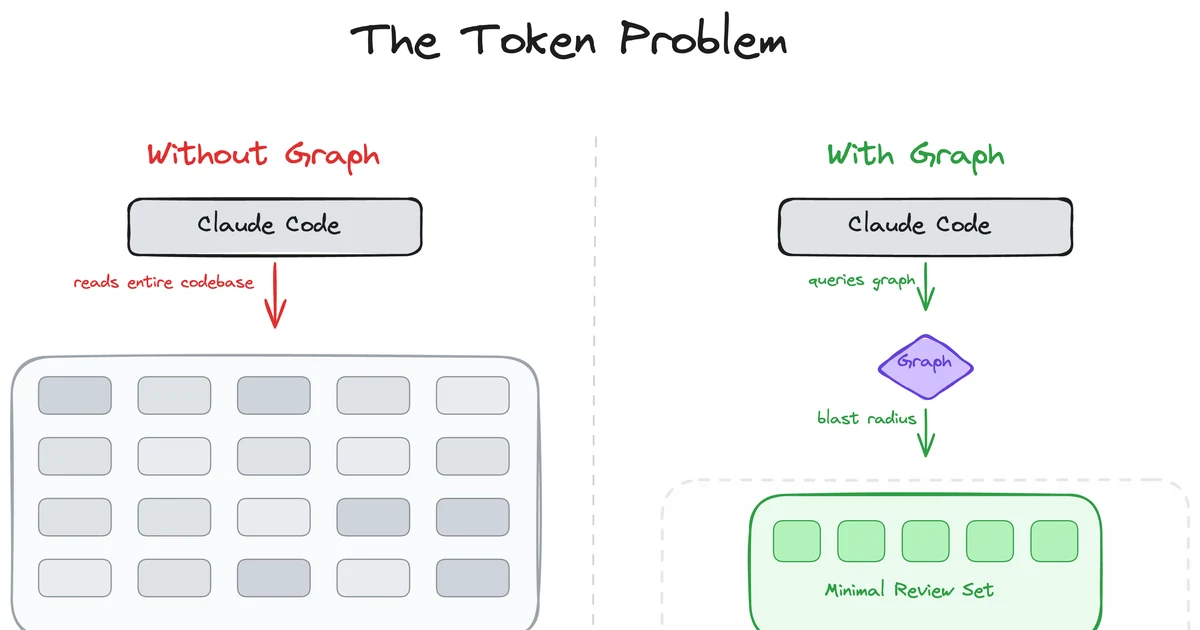
MIT-licensed local code-intelligence graph that gives Claude Code, Codex, Cursor, Copilot, and other MCP clients targeted review context.
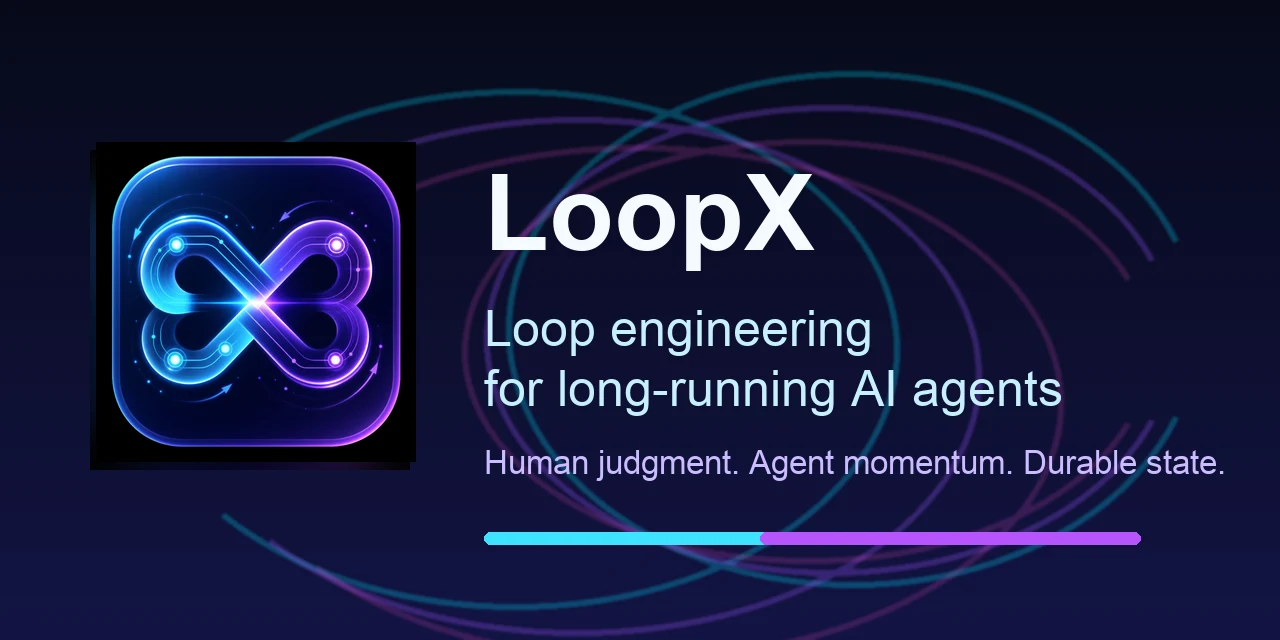
MIT-licensed loop-engineering state kernel and local control plane for keeping Codex, Claude Code, Cursor, and peer agent teams on long-running goals.
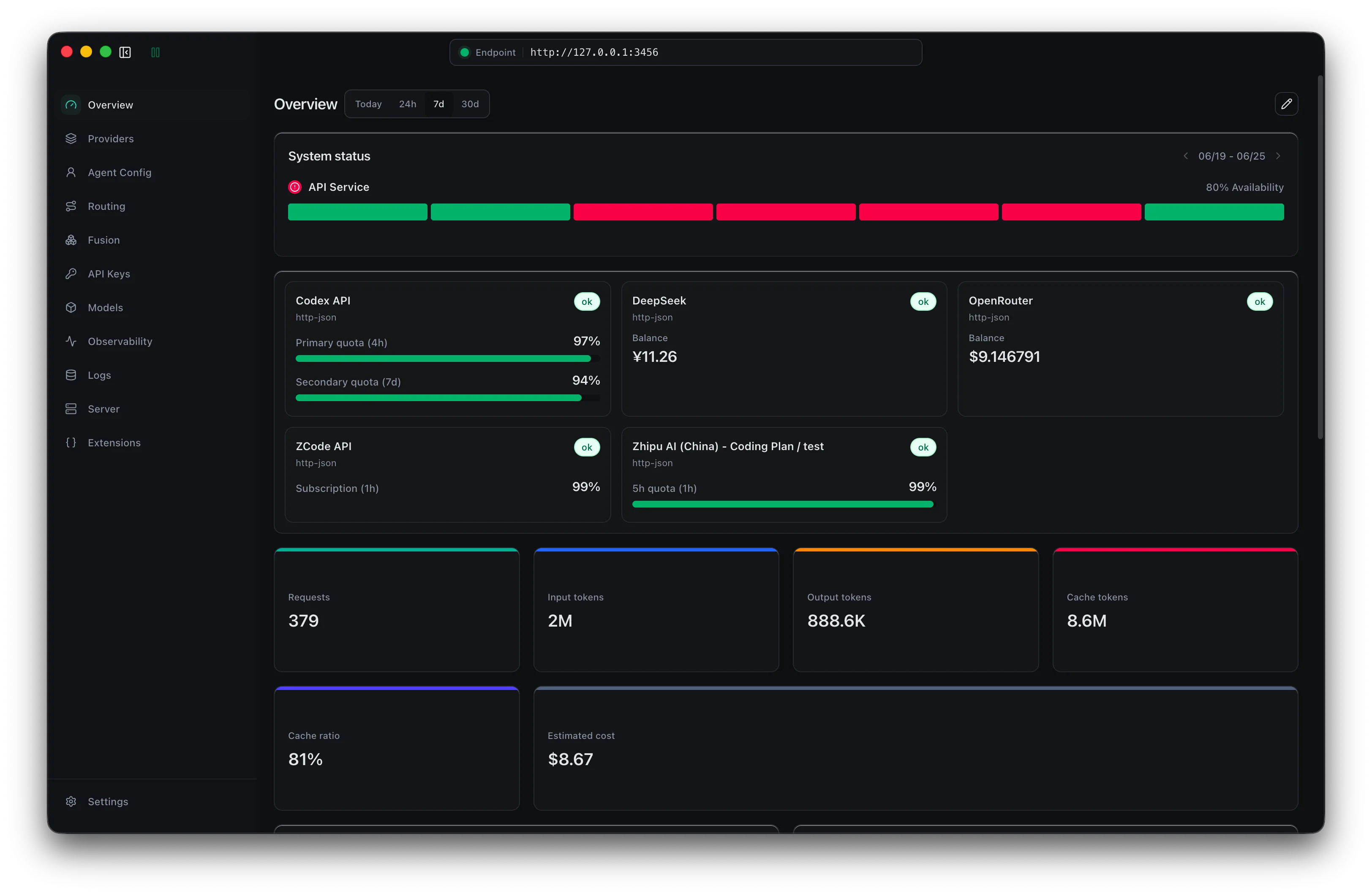
MIT-licensed local gateway and desktop control plane for routing Claude Code, Codex, Grok CLI, and compatible agents across model providers.
Alternative Tools to Consider
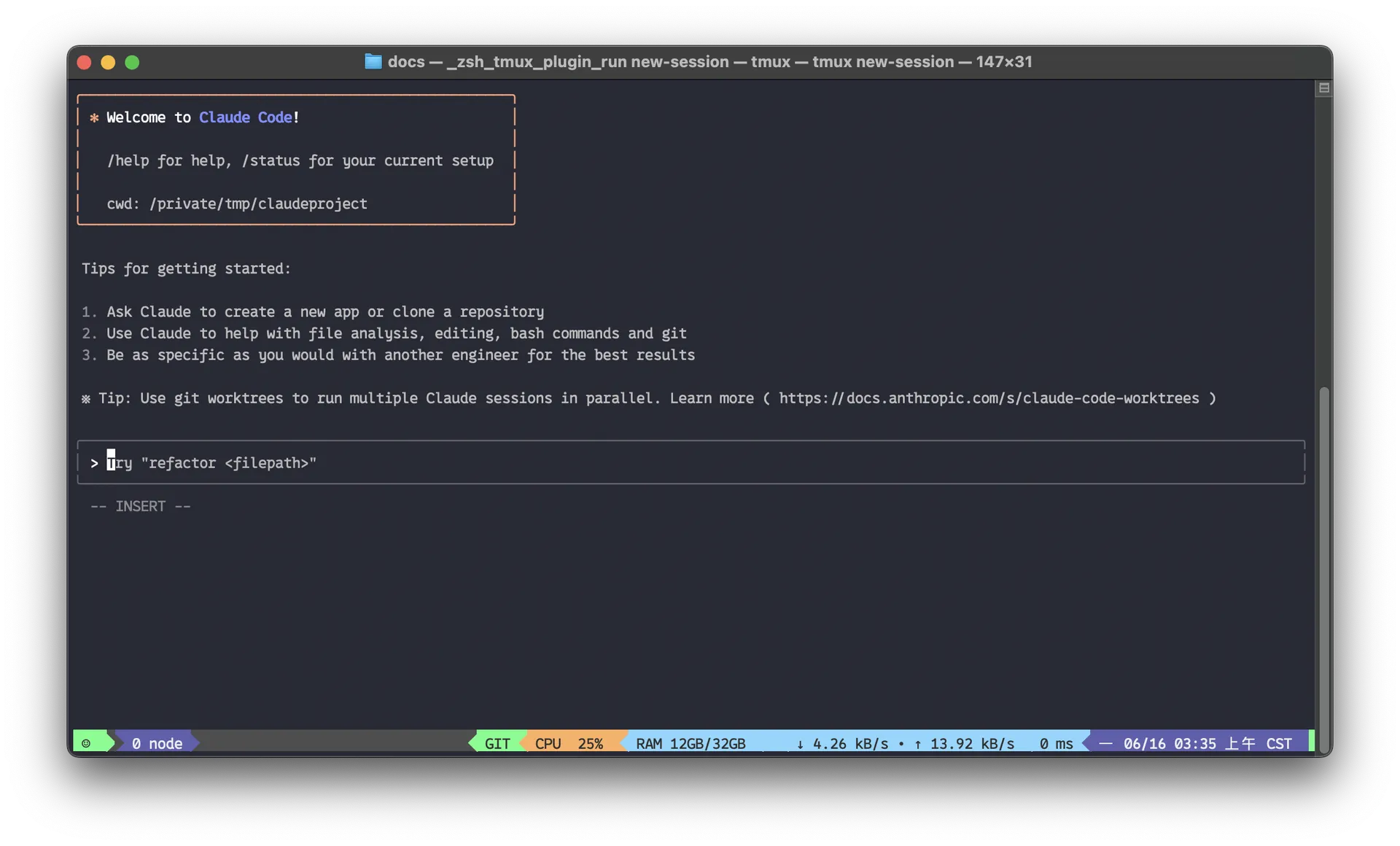
Agentic AI coding assistant that lives in your terminal, understands your entire codebase and automates routine tasks

Open-source spec-driven framework that adds lightweight proposal, design, task, and archive workflows to modern coding agents.

Open-source terminal coding agent built for large tasks, large files, and reviewable AI-driven repo changes.

GitHub's open-source spec-driven development toolkit for turning requirements into plans, tasks, and agent-ready workflows
Do one more comparison before you commit to Taskmaster
Strong picks usually survive one more internal check. Read deeper, compare a neighbor, then leave for the vendor page if the fit still holds.