Kastra
Runtime authorization and audit layer for coding agents that checks Claude Code, Codex, Cursor, and OpenClaw actions against deterministic policies before they run.
Do not bounce yet
Read the fit check, compare one alternative, then decide whether the vendor page is still your best next click.
Quick Verdict
Fast fit check before you leave the page
Make the fit call first. Vendor pages are good at selling, but they rarely tell you where the product is a bad match.
- Developers using Claude Code, Codex, Cursor, OpenClaw, or similar agents on sensitive repositories
- Engineering teams that need deterministic guardrails around shell commands, APIs, databases, git operations, and file writes
- Security and platform teams evaluating runtime controls for AI coding agents
- Core product source and licensing are not public, so teams need to treat it as proprietary security infrastructure
- Public adoption evidence is still early: the strongest discovery signal is a recent HN launch thread plus public release and plugin artifacts
- Current self-serve desktop evidence is macOS-heavy, with broader platform support less clear from public pages
Compare Next
Take one more internal step before the vendor pitch
This is where visitors usually jump out too early. Read one deeper take or open one alternative so the next click is informed instead of impulsive.
Alternative profile
ProofShot
Open-source CLI that gives AI coding agents visual verification through browser recordings, screenshots, logs, and PR-ready proof artifacts.
Alternative profile
Agentlytics
Local analytics dashboard for AI coding agents that unifies sessions, costs, models, and tool usage across multiple editors.
Alternative profile
HumanLayer
Open-source IDE and orchestration layer for AI coding agents, built around keyboard-first Claude Code workflows, parallel sessions, and team-scale context engineering.
Kastra belongs in the vibe-coding stack because the security problem has moved past prompts. Claude Code, Codex, Cursor, OpenClaw, and similar agents can run commands, edit files, touch services, and chain tools quickly. Kastra adds a deterministic authorization layer that decides whether an action is allowed, held, or denied before it executes.
Kastra is an execution-governance layer for AI coding agents. Instead of relying on prompts or model judgment to decide whether an agent may run a shell command, touch a database, write secrets, force-push, or call an API, Kastra intercepts tool calls and returns allow, hold, or deny decisions from explicit policies before the action executes. Its Edge desktop app, CLI, dashboard, policy packs, audit trail, and Recon scan are aimed at developers using Claude Code, Codex, Cursor, OpenClaw, and similar agents who need deterministic guardrails around increasingly autonomous repo and infrastructure work.
Why Choose Kastra?
Choose Kastra when your agent workflow is starting to touch real infrastructure and prompt-level guardrails are no longer a serious control.
It is most relevant when teams need explicit policies, audit trails, and reviewable decisions around agent tool calls rather than another code-generation interface.
Recon is useful for teams that need to learn from the risky actions their agents already attempted before writing practical policies.
Do not treat it as a magic safety blanket: policy enforcement should sit beside sandboxing, least-privilege credentials, isolated environments, and human review.
Key Features
Runtime authorization layer that evaluates AI agent tool calls before they execute instead of relying only on prompts or model self-restraint
Allow, hold, and deny policy decisions for shell commands, API requests, database touches, git actions, file writes, and other high-risk agent operations
Plain-English policy authoring, reusable policy packs, and immutable audit trails for agent decisions
Recon scan that inspects local agent history and turns risky prior actions into candidate runtime policies
Developer-oriented Edge desktop app, CLI, dashboard, Homebrew tap, and public macOS release feed
Integration direction for Claude Code, Codex, Cursor, OpenClaw, and plugin-based agent workflows
Pros & Cons
- Targets one of the highest-risk parts of vibe coding: agents can now run commands and touch real systems faster than humans can supervise every step
- Keeps authorization outside the probabilistic model, which is a cleaner trust boundary than asking the same agent to decide whether its own action is safe
- Recon is useful because teams often need to discover what risky actions agents already attempted before they can write practical policies
- The focus on audit trails and policy packs makes it more operationally relevant than generic AI safety copy on a landing page
- Core product source and licensing are not public, so teams need to treat it as proprietary security infrastructure
- Public adoption evidence is still early: the strongest discovery signal is a recent HN launch thread plus public release and plugin artifacts
- Current self-serve desktop evidence is macOS-heavy, with broader platform support less clear from public pages
- Policy enforcement is only one layer; serious teams still need sandboxing, short-lived credentials, environment isolation, and human review
Detailed Use Cases for Kastra
Use Kastra when a coding agent wants to run shell commands, touch APIs, modify files, or affect databases and the team needs an explicit allow, hold, or deny decision before anything happens.
The audit-trail angle matters because agent sessions can hide dangerous behavior inside long transcripts unless actions are recorded as policy decisions.
Recon scans local agent history for risky patterns such as production database touches, tracked secrets, force pushes, and curl-to-shell behavior, then helps turn those findings into runtime rules.
Kastra is especially interesting when several agents or harnesses share a developer environment and each one needs the same external policy boundary.
Who Should Use Kastra?
Developers using Claude Code, Codex, Cursor, OpenClaw, or similar agents on sensitive repositories
Engineering teams that need deterministic guardrails around shell commands, APIs, databases, git operations, and file writes
Security and platform teams evaluating runtime controls for AI coding agents
Agent-infrastructure builders who want audit trails and policy decisions outside the model loop
Perfect For
Blocking or holding risky Claude Code, Codex, Cursor, or OpenClaw tool calls before they affect production systems
Auditing agent actions across shell commands, files, APIs, git, and database operations
Scanning local agent history to identify risky patterns such as tracked secrets, force pushes, or curl-to-shell behavior
Adding deterministic governance around multi-agent coding workflows without trusting the model to police itself
Technical Details
Kastra Comparisons & Alternatives
Kastra review
Kastra vs sandboxing
runtime authorization for AI coding agents
Claude Code policy enforcement
Codex tool call governance
OpenClaw agent security policy
Developers compare Kastra with other vibe coding tools when they need a better workflow fit, not just a better landing page.
Direct Competitors
HumanLayer
OpenCode
ProofShot
Agentlytics
Similar Tools You Might Like
Source-available model router that plugs into Claude Code, Codex, opencode, Cursor, and API clients to route each agent request to a cost-appropriate model.
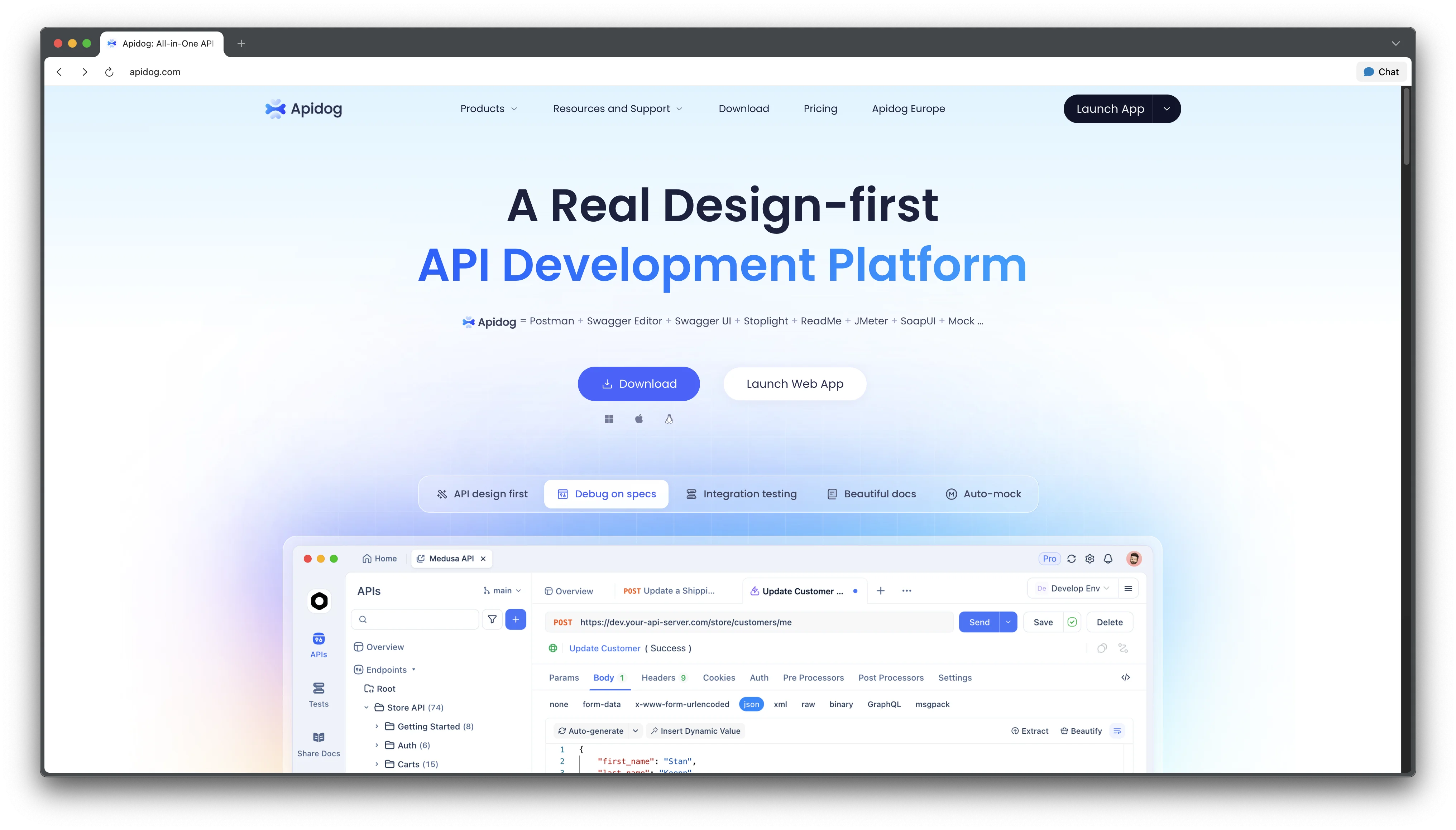
Let AI assistants read your API docs directly for instant code and test generation

Open-source web agent library and cloud platform that gives coding agents real browser automation instead of file-only guessing.
Alternative Tools to Consider
Open-source CLI that gives AI coding agents visual verification through browser recordings, screenshots, logs, and PR-ready proof artifacts.

Local analytics dashboard for AI coding agents that unifies sessions, costs, models, and tool usage across multiple editors.

Open-source IDE and orchestration layer for AI coding agents, built around keyboard-first Claude Code workflows, parallel sessions, and team-scale context engineering.

Open-source coding agent for the terminal with provider-agnostic model support, built-in agents, and optional desktop/IDE surfaces.
Do one more comparison before you commit to Kastra
Strong picks usually survive one more internal check. Read deeper, compare a neighbor, then leave for the vendor page if the fit still holds.