Weave Router
Source-available model router that plugs into Claude Code, Codex, opencode, Cursor, and API clients to route each agent request to a cost-appropriate model.
Do not bounce yet
Read the fit check, compare one alternative, then decide whether the vendor page is still your best next click.
Quick Verdict
Fast fit check before you leave the page
Make the fit call first. Vendor pages are good at selling, but they rarely tell you where the product is a bad match.
- Developers spending heavily on Claude Code, Codex, opencode, Cursor, or custom coding-agent API calls
- Teams comparing frontier and OSS model mixes for agentic coding workflows
- Platform engineers who want a self-hostable routing endpoint with BYOK and observability
- Elastic License 2.0 is not OSI open source and restricts offering the software as a hosted or managed service to third parties.
- Automatic model routing can be wrong, especially when a prompt looks simple but depends on hidden repository context or when a cheaper model fails late.
- Prompt caching can erase savings if the router switches models too aggressively inside long coding-agent sessions.
Compare Next
Take one more internal step before the vendor pitch
This is where visitors usually jump out too early. Read one deeper take or open one alternative so the next click is informed instead of impulsive.
Alternative profile
Cursor
The AI-first code editor built for pair-programming with AI
Alternative profile
context-mode
Source-available MCP plugin that keeps heavy tool output out of Claude Code, Codex, Cursor, and other coding-agent context windows.
Alternative profile
Context7
Documentation context layer that feeds up-to-date, version-specific library docs and code snippets into Cursor, Claude, and other coding agents.
Weave Router is worth tracking because model cost has become a real constraint in serious agentic coding. A single coding task can include expensive planning, cheap codebase exploration, ordinary implementation, and review turns. Weave Router sits between tools like Claude Code, Codex, opencode, Cursor, or custom API clients and routes each request to a model that should fit the task better than blindly using one frontier model for everything.
Weave Router is a model-routing proxy built for agentic coding workflows where the same task can mix planning, codebase exploration, implementation, and review requests. Instead of forcing every Claude Code, Codex, opencode, Cursor, or custom API call through one expensive frontier model, it exposes Anthropic, OpenAI, and Gemini-compatible endpoints, scores each request with a local embedder and cluster scorer, then forwards it to enabled providers such as frontier models, DeepSeek, Kimi, GLM, Qwen, Llama, Mistral, OpenRouter, or any OpenAI-compatible backend. That makes it relevant to vibe-coding teams trying to control token spend without giving up the stronger models when planning or hard debugging actually needs them.
Why Choose Weave Router?
Choose Weave Router when your agent workflow is already expensive enough that per-request model choice matters more than another prompt trick.
The strongest fit is mixed coding-agent work where planning and hard debugging may need a frontier model, while exploration or straightforward edits may be safe on cheaper OSS or OpenAI-compatible models.
The one-command installer for Claude Code, Codex, and opencode makes the tool more practical than a generic API gateway that leaves all client setup to the user.
Be cautious if prompt caching, privacy, or license terms are hard requirements. ELv2 is source-available, hosted routing can carry request-content risk, and routing claims still deserve local validation.
Key Features
Drop-in proxy endpoints for Anthropic Messages, OpenAI Chat Completions, and Gemini generateContent so coding agents can point at one router instead of one fixed model provider.
One-command installer that wires Claude Code, Codex, and opencode configs, plus a Cursor beta path through OpenAI base URL override.
Per-request routing through a local embedder and cluster scorer rather than spending another LLM call to decide which model should answer.
Provider coverage for frontier models and lower-cost OSS or OpenAI-compatible backends such as DeepSeek, Kimi, GLM, Qwen, Llama, Mistral, and OpenRouter.
BYOK setup with upstream provider keys stored locally and encrypted at rest, plus separate router keys for clients.
Self-hosted stack with dashboard, Postgres, route-preview endpoint, health checks, and OTLP traces for Honeycomb, Datadog, Grafana, or similar observability tools.
Pros & Cons
- It attacks a real cost problem in agentic coding: planning, exploration, implementation, and review turns do not all need the same expensive model.
- The integration surface is directly relevant to vibe coding because Claude Code, Codex, opencode, and Cursor are named workflows rather than generic API examples.
- Source availability, self-hosting, and BYOK make it more inspectable than a closed router where teams cannot see the proxy layer they are trusting.
- The HN launch generated substantive criticism about cache misses and evals, which is useful adoption signal because the project is being tested against real coding-agent concerns.
- Elastic License 2.0 is not OSI open source and restricts offering the software as a hosted or managed service to third parties.
- Automatic model routing can be wrong, especially when a prompt looks simple but depends on hidden repository context or when a cheaper model fails late.
- Prompt caching can erase savings if the router switches models too aggressively inside long coding-agent sessions.
- Hosted routing means request content can pass through Weave infrastructure, so privacy-sensitive teams should prefer self-hosting or do a security review first.
Detailed Use Cases for Weave Router
Use Weave Router when one session includes planning, code search, implementation, and review turns that should not all be forced through the same model.
The router is relevant when cheaper models can do routine work, but you still want stronger models available for ambiguous architecture, debugging, or review requests.
Claude Code, Codex, opencode, Cursor, and custom API clients can point at the router instead of each owning separate provider configuration and routing rules.
The dashboard, route-preview endpoint, and OTLP traces help teams inspect which model handled a request before trusting savings claims in production workflows.
Who Should Use Weave Router?
Developers spending heavily on Claude Code, Codex, opencode, Cursor, or custom coding-agent API calls
Teams comparing frontier and OSS model mixes for agentic coding workflows
Platform engineers who want a self-hostable routing endpoint with BYOK and observability
Cost-conscious AI engineering teams that can measure whether routing preserves quality on their own repositories
Perfect For
Reducing token spend for Claude Code, Codex, or opencode sessions that mix cheap exploration turns with harder planning or debugging turns.
Testing whether cheaper OSS models can handle implementation or code-search substeps while keeping frontier models for high-risk planning and review.
Adding observability around which model answered each agent request and why the router made that decision.
Running an internal model-routing endpoint for teams that want a common provider layer across several coding agents without rewriting each tool.
Technical Details
Weave Router Comparisons & Alternatives
Weave Router review
Weave Router vs OpenRouter
Weave Router vs LiteLLM
model routing for Claude Code
Codex model router
agentic coding model router
source available AI gateway for coding agents
Developers compare Weave Router with other vibe coding tools when they need a better workflow fit, not just a better landing page.
Direct Competitors
OpenRouter
LiteLLM
Portkey
vLLM Semantic Router
Cursor Auto
Similar Tools You Might Like

Source-available MCP plugin that keeps heavy tool output out of Claude Code, Codex, Cursor, and other coding-agent context windows.

Documentation context layer that feeds up-to-date, version-specific library docs and code snippets into Cursor, Claude, and other coding agents.
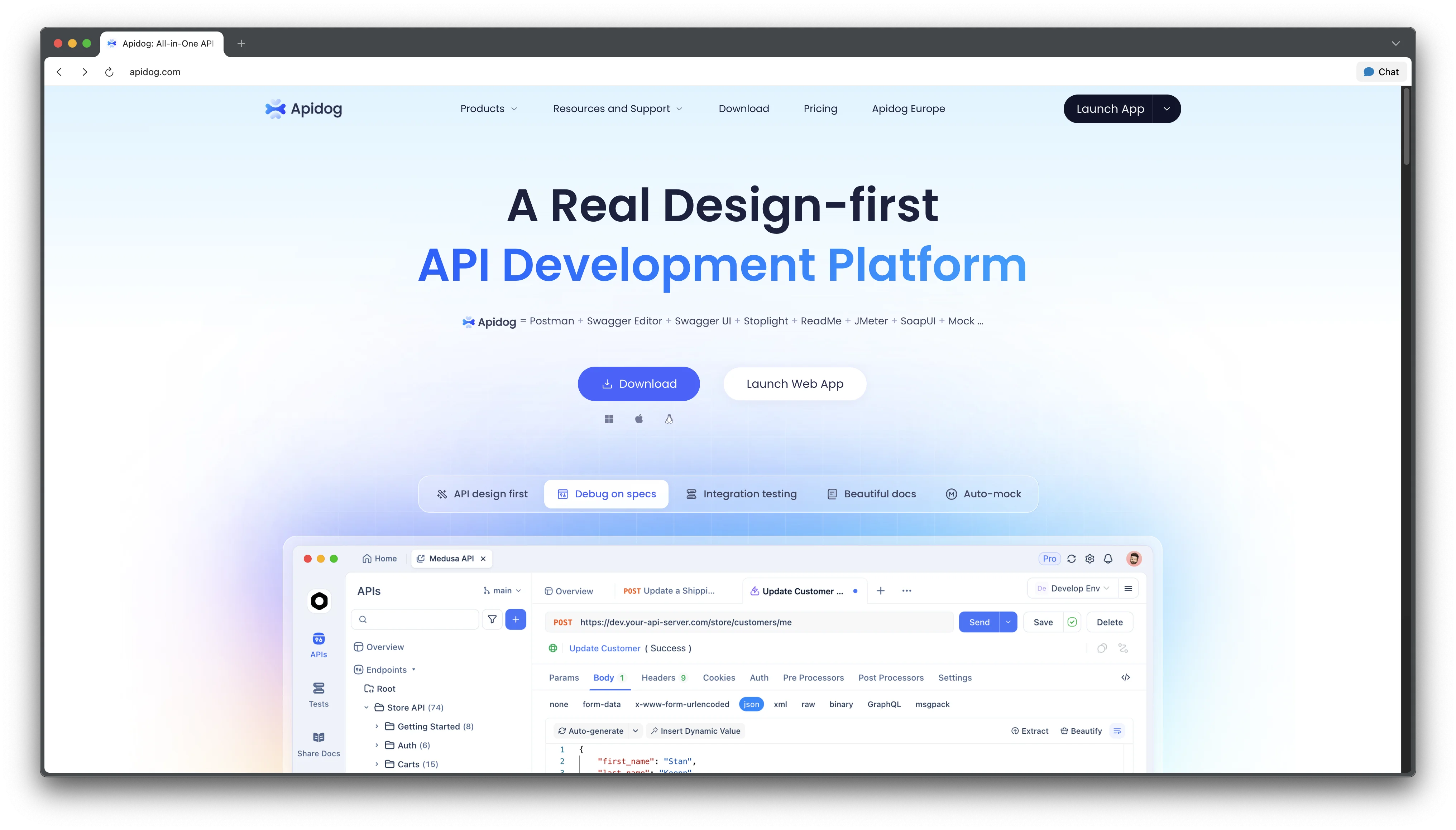
Let AI assistants read your API docs directly for instant code and test generation
Alternative Tools to Consider

Do one more comparison before you commit to Weave Router
Strong picks usually survive one more internal check. Read deeper, compare a neighbor, then leave for the vendor page if the fit still holds.