
jcode
Rust-based coding-agent harness with a native TUI, multi-session workflows, agent memory, swarm coordination, MCP, browser tooling, and broad model-provider support.
Do not bounce yet
Read the fit check, compare one alternative, then decide whether the vendor page is still your best next click.
Quick Verdict
Fast fit check before you leave the page
Make the fit call first. Vendor pages are good at selling, but they rarely tell you where the product is a bad match.
- Developers running multiple Claude Code, Codex, OpenCode, Pi, or Copilot CLI-style sessions
- Agentic-coding power users who want one local harness for several model providers
- Teams experimenting with memory, MCP, browser automation, and multi-agent coordination in coding workflows
- The README is ambitious and self-reported performance claims should be validated on each team's own OS, terminal, model providers, and repository size.
- Powerful swarm and self-development modes increase review, permissions, and secret-handling risk if teams treat the harness as a safety boundary.
- The product surface is broad enough that new users may need time to understand which features are stable workflow primitives and which are still evolving.
Compare Next
Take one more internal step before the vendor pitch
This is where visitors usually jump out too early. Read one deeper take or open one alternative so the next click is informed instead of impulsive.
Alternative profile
Agent of Empires
Open-source terminal and web session manager for running multiple AI coding agents across isolated git worktrees and sandboxes.
Alternative profile
Aider
Open-source terminal coding agent with git-native edits, repo mapping, and broad model support
Alternative profile
Apidog MCP Server
Let AI assistants read your API docs directly for instant code and test generation
jcode is worth tracking because the next bottleneck in vibe coding is no longer just model quality. Heavy users now need a harness that can keep multiple coding-agent sessions alive, remember relevant prior context, switch providers, coordinate agents in one repository, and stay responsive while doing it. jcode tackles that layer with a Rust-native terminal UI and a broad set of workflow primitives around memory, swarm coordination, MCP, browser automation, and provider authentication.
jcode is a resource-conscious coding-agent harness for developers who want more control than a single vendor CLI provides. Built in Rust with a native terminal UI, it supports persistent server/client workflows, resumable sessions, semantic agent memory, multi-agent swarm coordination, side panels, inline diagrams, MCP servers, browser automation, and OAuth or API-key access across Claude, OpenAI, Gemini, Copilot, OpenRouter, Ollama, and many OpenAI-compatible providers. That makes it relevant to vibe-coding teams running several agents against the same repository and trying to keep memory, provider switching, and local performance under control.
Why Choose jcode?
Choose jcode when you already use coding agents heavily and want a local harness built around persistent sessions, low resource overhead, and multi-agent workflows.
The strongest fit is developers running several agent sessions across one or more repositories who need resumability, memory retrieval, provider switching, and file-change awareness.
Its README documents concrete support for Claude, OpenAI, Copilot, Gemini, OpenRouter, Ollama, Alibaba Cloud Coding Plan, MCP servers, and browser automation, making it more than a thin model wrapper.
Be cautious with operational risk. Swarms, browser tools, OAuth flows, MCP imports, and self-development mode are powerful but require disciplined permissions, secret handling, test coverage, and diff review.
Key Features
Native Rust terminal UI designed for multi-session coding-agent workflows and low resource overhead.
Persistent server/client mode, resumable sessions, and cross-harness session recovery for Codex, Claude Code, OpenCode, and Pi-style workflows.
Semantic agent memory that embeds turns and retrieves related memories without forcing every session to manually call a memory tool.
Swarm coordination so multiple agents can work in the same repository, message each other, and react when another agent changes files they have read.
Side panels, inline Mermaid rendering, info widgets, dictation hooks, and diff-view-style auxiliary context inside the TUI.
Provider support for Claude, OpenAI, Copilot, Gemini, OpenRouter, Ollama, Alibaba Cloud Coding Plan, and many OpenAI-compatible services.
MCP import and stdio MCP server support, including migration from common Claude Code and Codex configuration locations.
Built-in browser automation backend documented through a `browser` tool for status, setup, snapshot, click, type, fill, upload, screenshot, and eval actions.
Pros & Cons
- It targets a real pain point for heavy agent users: running several long-lived coding sessions without each one becoming a bloated, isolated terminal process.
- The project has strong public GitHub traction for this niche, with 8k+ stars, hundreds of forks, frequent releases, and recent commits during review.
- Provider and OAuth flexibility make it useful for developers who already pay for several model ecosystems and want one harness rather than one workflow per vendor.
- Memory, swarm, MCP, and browser features are integrated into the harness instead of bolted on as unrelated shell scripts.
- The README is ambitious and self-reported performance claims should be validated on each team's own OS, terminal, model providers, and repository size.
- Powerful swarm and self-development modes increase review, permissions, and secret-handling risk if teams treat the harness as a safety boundary.
- The product surface is broad enough that new users may need time to understand which features are stable workflow primitives and which are still evolving.
- It is a harness, not a guaranteed coding result: quality still depends on the selected model, repo instructions, tests, and human code review.
Detailed Use Cases for jcode
Use jcode server/client and swarm workflows when multiple agents need to work in one repository, message each other, and react to file changes instead of silently colliding.
jcode embeds conversation turns and retrieves related memories so new work can recover useful prior context without stuffing whole transcripts into every prompt.
Developers can connect first-party providers, aggregators, local backends, and OpenAI-compatible APIs while keeping a consistent terminal workflow.
The harness documents browser automation actions and MCP import/server support, which is useful for agent workflows that need more than shell-only editing.
Who Should Use jcode?
Developers running multiple Claude Code, Codex, OpenCode, Pi, or Copilot CLI-style sessions
Agentic-coding power users who want one local harness for several model providers
Teams experimenting with memory, MCP, browser automation, and multi-agent coordination in coding workflows
Rust-friendly developers who care about terminal performance and inspectable open-source tooling
Perfect For
Run several coding-agent sessions in the same repository while keeping memory, file-change awareness, and agent messaging coordinated.
Use a fast local TUI and persistent server/client flow instead of repeatedly launching heavyweight agent CLIs for every task.
Switch between Claude, OpenAI, Copilot, Gemini, OpenRouter, Ollama, and compatible providers without rewriting the whole agent workflow.
Experiment with agent memory, browser automation, MCP servers, and swarm delegation in an inspectable open-source harness.
Technical Details
jcode Comparisons & Alternatives
jcode review
jcode vs Claude Code
jcode vs Codex CLI
jcode vs OpenCode
jcode vs Pi
Rust coding agent harness
multi-session coding agent
AI coding agent TUI
Developers compare jcode with other vibe coding tools when they need a better workflow fit, not just a better landing page.
Direct Competitors
Claude Code
Codex CLI
OpenCode
Pi
Omnigent
Vibe Kanban
Aider
Similar Tools You Might Like
Open-source local CLI that indexes coding-agent transcripts from Claude Code, Codex, Cursor, OpenCode, Gemini CLI, Copilot CLI, and related harnesses for cited history search.

Community Codex CLI fork that adds Auto Drive orchestration, background Auto Review, browser/CDP integration, theming, and multi-agent commands.

Open-source memory-first coding agent that turns disposable coding sessions into long-lived agents with persistent memory, skills, search, and multi-channel access.
Alternative Tools to Consider

Open-source terminal and web session manager for running multiple AI coding agents across isolated git worktrees and sandboxes.

Open-source terminal coding agent with git-native edits, repo mapping, and broad model support
Let AI assistants read your API docs directly for instant code and test generation
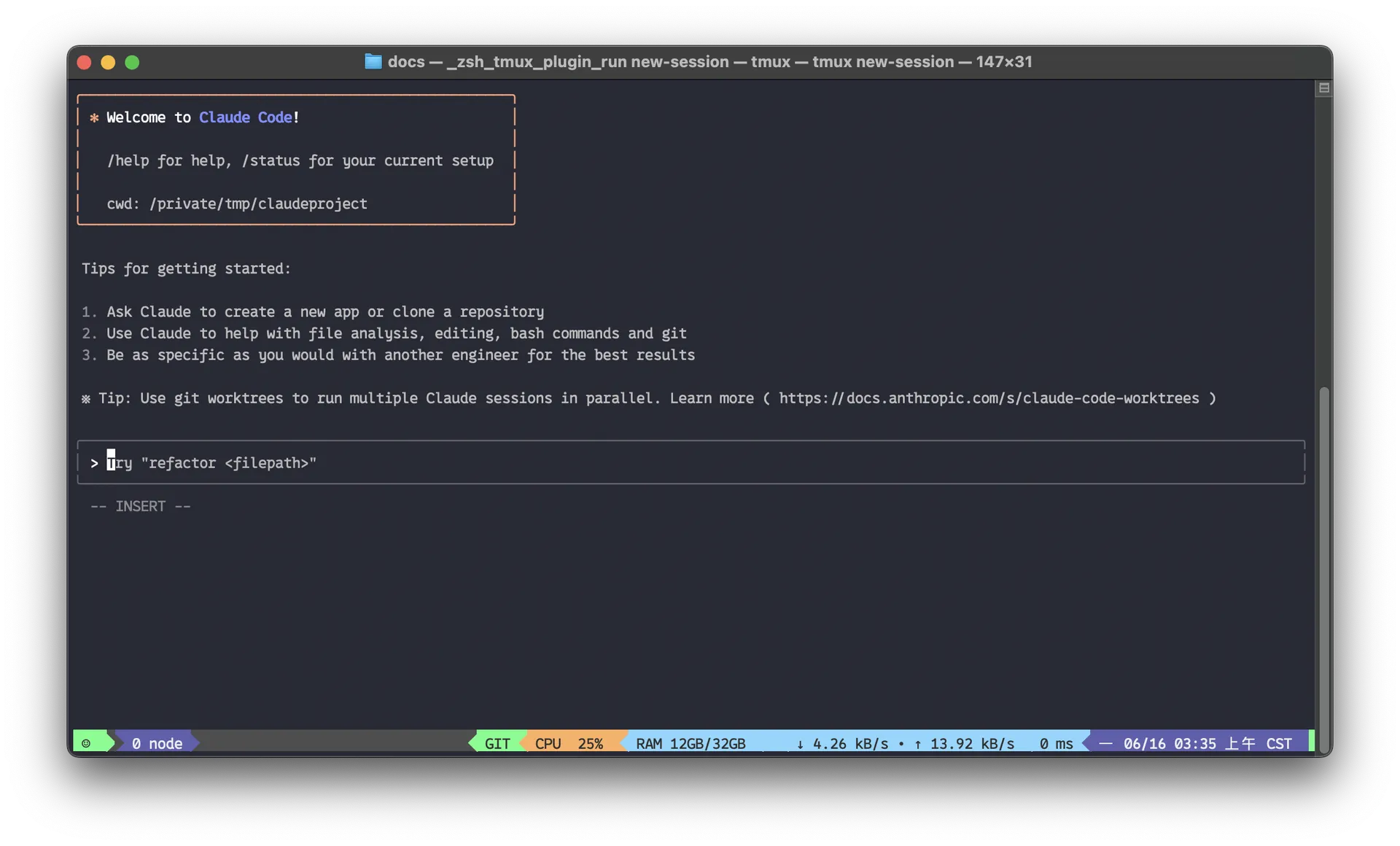
Agentic AI coding assistant that lives in your terminal, understands your entire codebase and automates routine tasks

Beautiful chat interface for Claude Code right inside VS Code, no terminal required

Open-source terminal dashboard for tracking Claude Code token usage, burn rate, and predicted session cutoffs.
Do one more comparison before you commit to jcode
Strong picks usually survive one more internal check. Read deeper, compare a neighbor, then leave for the vendor page if the fit still holds.