agentmemory
Persistent cross-session memory layer for coding agents, with MCP, hooks, and shared recall across Claude Code, Codex CLI, Gemini CLI, OpenClaw, and more.
Do not bounce yet
Read the fit check, compare one alternative, then decide whether the vendor page is still your best next click.
Quick Verdict
Fast fit check before you leave the page
Make the fit call first. Vendor pages are good at selling, but they rarely tell you where the product is a bad match.
- Developers using multiple coding agents who want shared long-term context across tools
- Builders running long-lived software tasks where repeated re-explanation is wasting time and tokens
- Teams experimenting with MCP-based workflows, hooks, and persistent agent memory
- This adds infrastructure and workflow complexity, so it is overkill for users who barely need persistence across one or two sessions.
- Value depends heavily on setup quality and discipline; bad memory hygiene can still produce noisy recall or stale context.
- Windows support appears less smooth than macOS/Linux, with the project itself steering many users toward WSL2 for the fast path.
Compare Next
Take one more internal step before the vendor pitch
This is where visitors usually jump out too early. Read one deeper take or open one alternative so the next click is informed instead of impulsive.
Alternative profile
Augment Code
Augment Code is an advanced AI coding platform designed for professional software engineers.
Alternative profile
Mem0
Universal memory layer for AI agents that adds persistent context, retrieval, and personalization to coding workflows.
Alternative profile
ProofShot
Open-source CLI that gives AI coding agents visual verification through browser recordings, screenshots, logs, and PR-ready proof artifacts.
agentmemory is for builders who have already learned the obvious lesson: if your coding agent forgets everything between sessions, you end up paying for that amnesia in tokens, repetition, and dropped context. Instead of pretending one longer chat window solves that, agentmemory adds a shared memory layer that multiple coding agents can use through MCP, hooks, plugins, and related integration paths.
agentmemory is a dedicated memory layer for builders who are tired of re-explaining context to coding agents every session. Instead of pretending prompt history alone is enough, it runs a shared memory server, exposes MCP tooling, supports agent-specific hooks and plugins, and lets tools like Claude Code, Codex CLI, Gemini CLI, OpenClaw, Cursor, and OpenCode read from the same durable recall system. That makes it materially relevant to serious vibe-coding workflows where continuity, context compression, and cross-agent handoffs matter more than another thin chat wrapper.
Why Choose agentmemory?
Choose agentmemory when the real bottleneck is continuity across sessions and across agents, not generating one more answer in isolation.
Its shared-memory approach matters because serious workflows often span Claude Code, Codex CLI, Gemini CLI, OpenClaw, Cursor, and other clients instead of living in one vendor silo.
The project looks more credible than typical memory wrappers because it ships as an active open-source system with packages, docs, integrations, and public implementation detail.
If you care about context compression and reusable recall, agentmemory is strategically more interesting than simply saving raw transcripts forever.
Key Features
Runs a dedicated persistent memory server that multiple coding agents can share instead of trapping context inside one session transcript.
Supports MCP, hooks, plugins, and REST-style access patterns so different agent clients can read from and write to the same memory layer.
Works across tools including Claude Code, Codex CLI, Gemini CLI, OpenClaw, OpenCode, Cursor, Copilot CLI, and more.
Provides installation flows, agent-specific connect commands, and optional native skills to reduce the friction of wiring memory into real coding workflows.
Targets practical recall and context compression rather than vague AI memory marketing, with benchmark claims and operational documentation exposed in public.
Ships as an Apache-2.0 open-source project with npm distribution, docs, and active public iteration.
Pros & Cons
- agentmemory solves a real problem in agentic coding: context continuity across sessions and across tools, not just longer chats inside one vendor silo.
- The shared-memory-server model is strategically stronger than ad hoc local notes because it makes cross-agent handoff and retrieval a first-class workflow.
- Broad compatibility matters because serious builders rarely use exactly one coding agent forever.
- Open-source distribution, public docs, and active package releases make it more credible than memory wrappers that are mostly conceptual demos.
- This adds infrastructure and workflow complexity, so it is overkill for users who barely need persistence across one or two sessions.
- Value depends heavily on setup quality and discipline; bad memory hygiene can still produce noisy recall or stale context.
- Windows support appears less smooth than macOS/Linux, with the project itself steering many users toward WSL2 for the fast path.
- agentmemory improves memory continuity, but it does not magically fix weak prompts, bad repos, or poor upstream model behavior.
Detailed Use Cases for agentmemory
Use agentmemory when Claude Code, Codex CLI, Gemini CLI, OpenClaw, or other agents need access to the same durable project context instead of each starting half-blind.
It is useful when your workflows repeatedly span many sessions and you are tired of paying a tax in prompt tokens and human patience every time an agent forgets the background.
agentmemory fits builders who already treat MCP and tool integration as real infrastructure and want recall to be part of that stack rather than an afterthought.
Because the memory layer is shared, it is more useful than simple per-chat history when one coding agent starts work and another continues it later.
Who Should Use agentmemory?
Developers using multiple coding agents who want shared long-term context across tools
Builders running long-lived software tasks where repeated re-explanation is wasting time and tokens
Teams experimenting with MCP-based workflows, hooks, and persistent agent memory
Infra-minded operators who prefer explicit, inspectable memory systems over vague chat-history magic
Perfect For
Sharing durable project context across Claude Code, Codex CLI, Gemini CLI, OpenClaw, and other coding agents.
Reducing repeated re-explanation when long-running software work spans multiple sessions or multiple operators.
Adding a memory layer to MCP-capable coding environments where recall and context compression matter more than chat polish.
Experimenting with agent workflows that need persistent notes, retrieval, and cross-tool handoff rather than isolated session transcripts.
Technical Details
agentmemory Comparisons & Alternatives
agentmemory review
agentmemory vs Mem0
persistent memory for Claude Code and Codex
MCP memory layer for coding agents
cross-session memory for vibe coding
Developers compare agentmemory with other vibe coding tools when they need a better workflow fit, not just a better landing page.
Direct Competitors
Mem0
Zep
Graphiti
Augment Code Memories
Similar Tools You Might Like
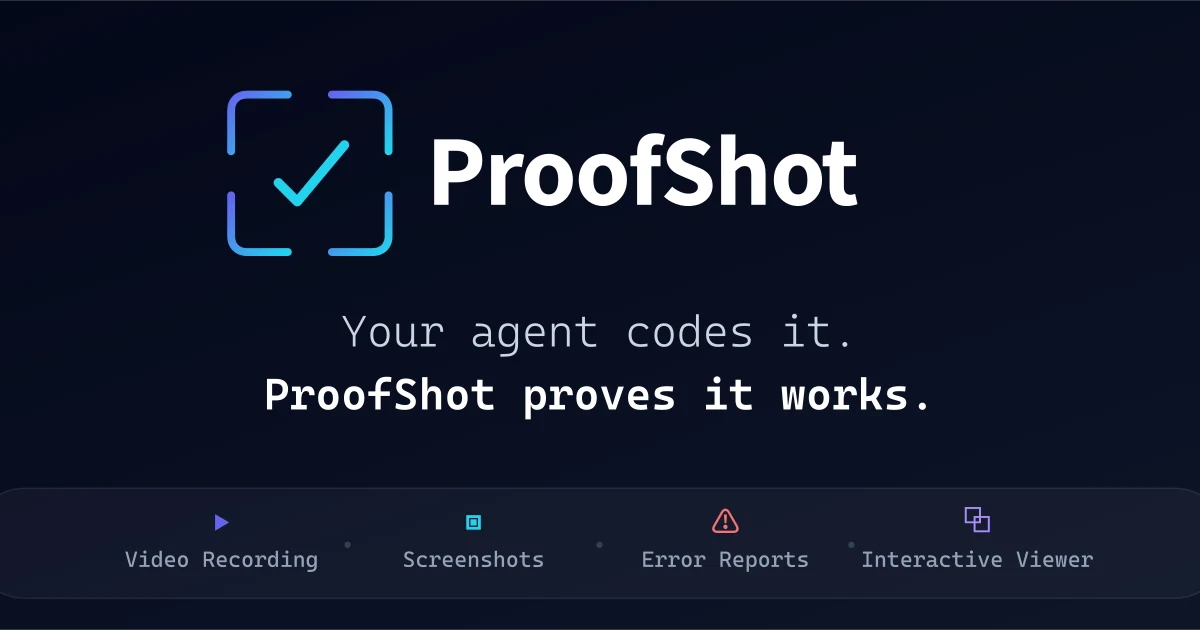
Open-source CLI that gives AI coding agents visual verification through browser recordings, screenshots, logs, and PR-ready proof artifacts.

Open-source terminal session manager for running and supervising multiple AI coding agents across isolated git worktrees.

Open-source terminal and web session manager for running multiple AI coding agents across isolated git worktrees and sandboxes.
Alternative Tools to Consider
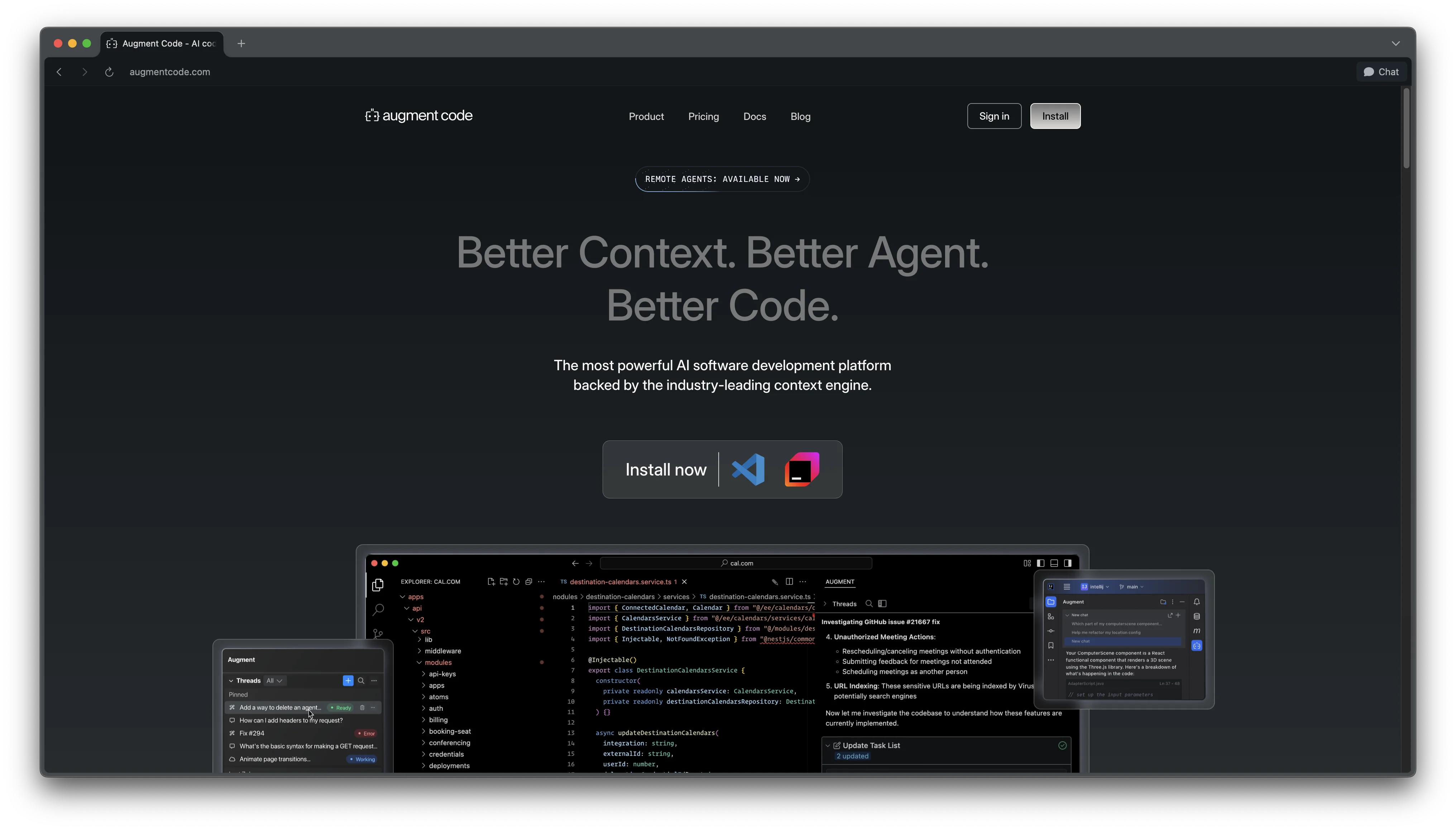
Augment Code is an advanced AI coding platform designed for professional software engineers.

Universal memory layer for AI agents that adds persistent context, retrieval, and personalization to coding workflows.
Do one more comparison before you commit to agentmemory
Strong picks usually survive one more internal check. Read deeper, compare a neighbor, then leave for the vendor page if the fit still holds.